
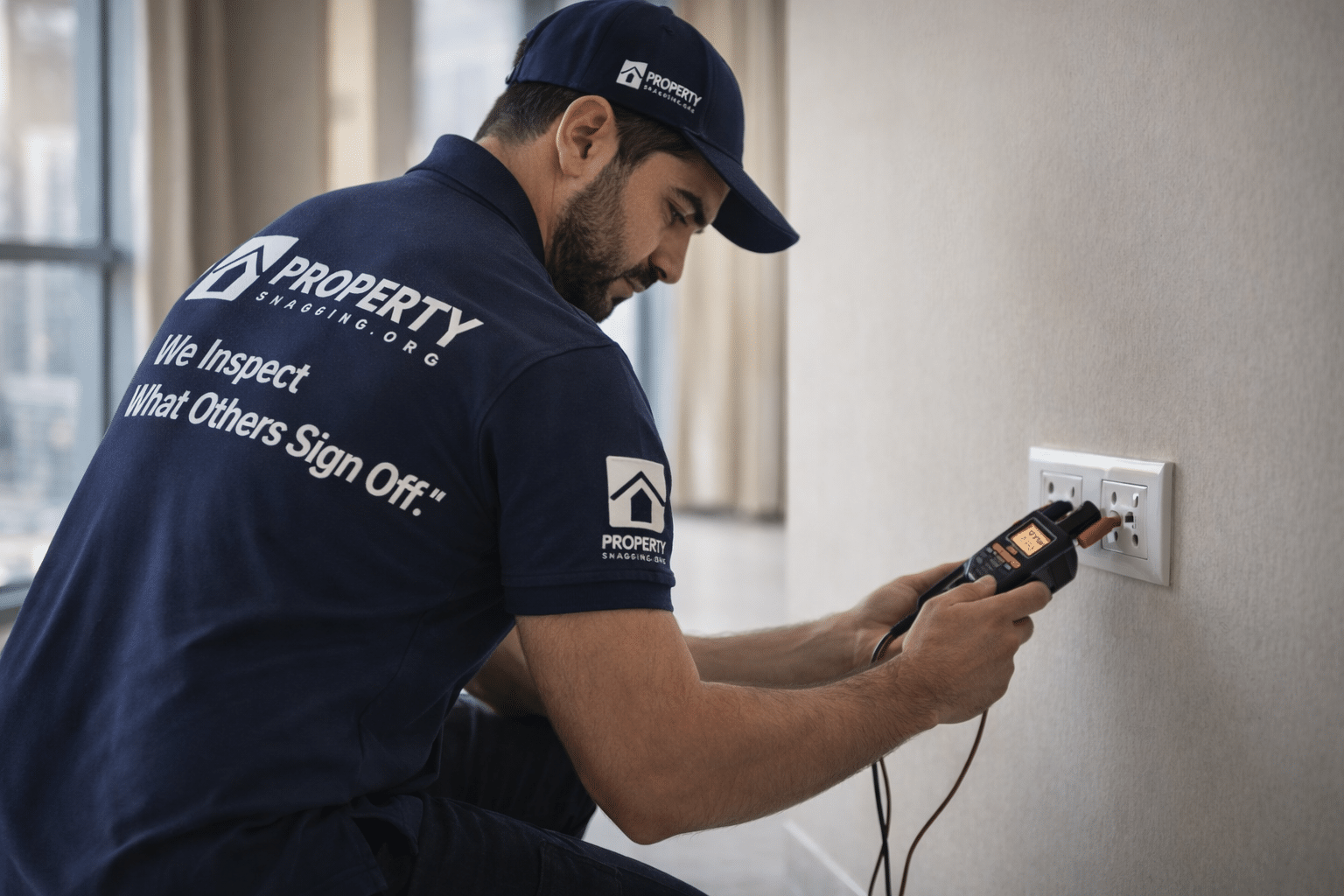
In the property development and rental world, it can be tempting to rush the hand-over once building work is complete. But skipping one crucial step – snagging – can carry hidden costs. Snagging is the process of identifying and correcting defects, flaws or unfinished work before handing over the property to the buyer, tenant or end-user.
For developers and landlords, getting snagging right is an investment in your brand reputation, your liability risk, and your property’s long-term performance. This blog explains what snagging is, why it matters, how to do it properly, and when to priorities it.
What Is Snagging?
Snagging refers to the systematic inspection of a building (newly built, refurbished or converted) to identify all defects cosmetic, functional, structural or regulatory-non-compliant—before the final handover.
Key points:
It covers everything from paint blemishes and mis-aligned cupboards to plumbing leaks and badly installed windows.
It may also be known as a “punch list” in some regions.
Ideally, a snagging list is completed before the occupant moves in (or the tenant takes possession) so that the builder or developer can rectify issues without the complications of occupancy.
Why Quality Control (Snagging) Matters for Developers & Landlords
1. Protects Your Reputation & Long-Term Value
When you deliver a property to a buyer or tenant, you’re signalling credibility. If the space is full of unfinished or poor-workmanship defects, it becomes more than an inconvenience—it becomes a reflection on your standards. Over time, word of mouth and reviews matter for your next project or tenancy.
2. Limits Remediation Costs & Future Liability
Fixing defects after handover (or once a tenant has moved in) is often more expensive and disruptive. Some snags may escalate into major issues (e.g., water infiltration leading to mold, poorly installed windows affecting energy efficiency) if left unchecked.
3. Ensures Compliance & Risk Mitigation
Even minor defects can have regulatory or safety implications (for example mis-installed fire doors, faulty electrical works). Snagging ensures that everything is built to specification, aligned with building codes and contractual obligations.
4. Improves Occupant Satisfaction & Retention
For landlords especially, tenant satisfaction is key. A property handed over in excellent condition reduces early maintenance calls, improves retention rates and supports higher rental yields. It also supports easier transitions between tenancies.
5. Strengthens Resale or Re-let Potential
If you maintain high snagging standards, the property remains in better shape over its life. That translates into fewer surprises when you sell or re-let—thus preserving value and investment return.
When to Conduct Snagging – Timing Is Key
Pre-handover: The ideal time is when construction or refurbishment is basically complete but before the occupant moves in. This gives you full access and minimal disruption.
At practical completion: As soon as the contractor has finished and the certificate of completion is issued, but before final payment or occupancy.
Within early warranty period: Some issues emerge only after settling or occupancy (latent defects). Allocating a snagging review within the first few months of occupancy can catch these.
How to Implement a Snagging Process – Step-by-Step
Step 1: Prepare a Comprehensive Snagging Checklist
Your checklist should cover all parts of the building: exterior, interior, mechanical & electrical systems, fixtures, finishes, landscaping, communal areas (where applicable). A good list ensures no area is overlooked.
Step 2: Walkthrough Inspection with Detail
During inspection:
Test all switches, taps, showers, windows, doors.
Inspect finishes closely (paint, plaster, grout, tiles).
Review mechanical systems (HVAC, plumbing, electrical) operate properly.
Review the build as a user would experience it.
Step 3: Document Every Defect – Location, Type, Responsibility, Deadline
Record each snag with: description, photo, exact location, who’s responsible for rectifying, target date. Good documentation helps follow-up.
Step 4: Submit to Contractor/Builder & Track Rectification
Once the list is compiled, provide it to the relevant party (builder, subcontractor, maintenance team). Track status: outstanding → in progress → resolved.
Step 5: Conduct a Re-inspection (Re-snag)
After defects are repaired, do a second inspection to ensure work meets standards and that no new issues emerged. Some sources emphasise the value of a “re-snag”.
Step 6: Handover with Confidence
Once all major snags are cleared (or alternative arrangements agreed), proceed with handover. Make sure the occupant (buyer or tenant) is aware of any remaining minor items and expected timelines.
Best Practices & Tips for Developers & Landlords
Engage a professional snagging service if internal expertise is limited—especially for large or complex builds.
Use digital tools (apps, photo logs, checklists) to streamline documentation and tracking.
Set realistic timelines: allow sufficient time for snagging before handover rather than rushing.
Communicate clearly with contractors/sub-contractors about expectations and standards.
For landlords: also consider snagging between tenancies to maintain high property standards and reduce downtime.
FAQs
Q1: What kinds of defects count as snags?
A1: Snags include anything from cosmetic issues (paint splashes, mis-aligned tiles) to functional problems (a tap not working, a window that doesn’t lock) and, in more serious cases, structural or regulatory issues (leaks, improper insulation, fire-safety non-compliance).
Q2: Who is responsible for snagging—developer, landlord or tenant?
A2: Ultimately, the developer or builder (or whoever contracted the works) is responsible for ensuring the property is delivered to specification. For landlords, as part of your delivery to tenant you assume that oversight. Tenants/buyers should still inspect and raise items.
Q3: Can I do snagging myself or should I hire someone?
A3: Yes, you can perform a DIY snagging inspection. But a professional provides added expertise, catches less-obvious issues, and strengthens your documentation in case of dispute.
Q4: What happens if defects are found after handover?
A4: If you find defects post-handover, you should report them promptly to the builder/developer/contractor. Many warranty programmers cover defects for a limited period (e.g., 2 years for minor defects in some jurisdictions).
Q5: Does snagging guarantee a defect-free property?
A5: No property is ever 100 % perfect. Snagging significantly reduces risk and improves quality, but latent defects (those that only appear later) can still happen. Good snagging builds in mechanisms for reporting and rectification.
Q6: How does snagging affect property value and rental yield?
A6: A well-snagged property reduces maintenance and repair costs, improves tenant experience, reduces vacancy, and protects your reputation—each contributing to better long-term return on investment.Conclusion
For developers and landlords, neglecting snagging is a false economy. While it may feel like an added step, investing time, attention and the right process in snagging pays dividends: fewer defects, happier occupants, stronger reputations, and better financial outcomes.
At PropertySnagging.org, we specialize in helping you implement snagging protocols that align with industry standards, streamline defect management and protect your investment. If you’re preparing a handover or want to build snagging best practices into your next project, get in touch.
