
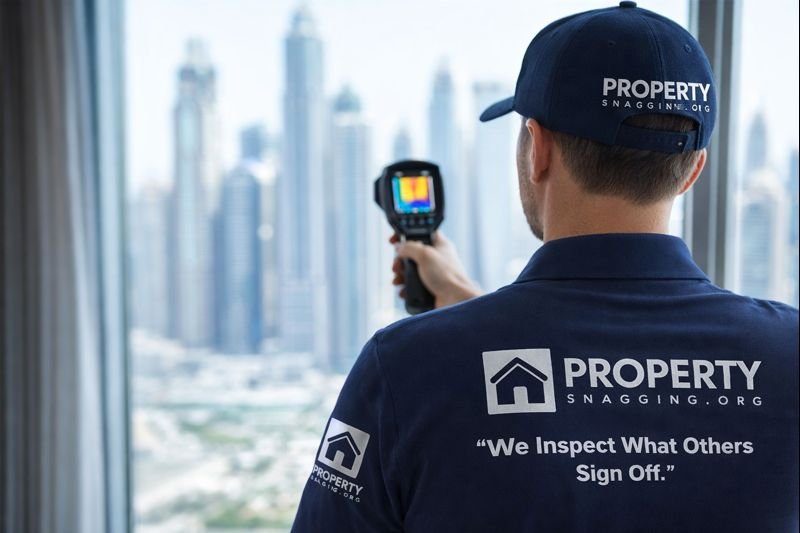
When homeowners decide to sell their property, one of the biggest priorities is securing the highest possible resale value. While location, market demand, and property size play an important role, the internal condition of the home often has the strongest influence on how buyers perceive its true worth. This is where snagging becomes a powerful advantage.
Snagging is usually associated with new-build homes, but its importance during resale is often underestimated. Over time, even well-maintained homes develop wear, imperfections, hidden defects, and minor issues that may not be noticeable at first glance. However, prospective buyers and property surveyors are trained to identify the smallest flaws, and these issues can significantly impact the final negotiation.
At PropertySnagging.org, we have seen repeatedly that a professionally snagged home commands higher buyer confidence, stronger offers, and faster sales simply because buyers know they are investing in a property that has been inspected, rectified, and maintained to a high standard.
Why Snagging Matters Before Resale
Before listing a home, sellers often invest in cleaning, painting, or staging. While these cosmetic improvements enhance visual appeal, they don’t address underlying defects. Snagging fills this gap by ensuring the property is structurally sound, defect-free, and functioning as expected.
A snagging inspection creates a detailed assessment of everything from walls, floors, windows, doors, plumbing, electrical systems, ventilation, and external areas. Instead of offering a quick visual check, it identifies issues that could otherwise lead to objections or price reductions during negotiation.
Many buyers today rely on professional surveyors or home inspection reports. If these reports reveal problems that the seller was unaware of, buyers tend to negotiate aggressively or walk away entirely. By conducting snagging beforehand, sellers eliminate these surprises and present a thoroughly documented, well-maintained home.
Enhancing Buyer Confidence and Perceived Value
One of the strongest factors influencing resale value is buyer confidence. When buyers feel reassured that a property has been professionally checked and maintained, they are more willing to meet the seller’s asking price. Snagging reports provide this reassurance by offering transparent evidence that the home has no hidden defects.
A property that shows no signs of settlement cracks, water leakage, electrical faults, or structural concerns immediately stands out in a competitive market. Buyers also appreciate when doors close smoothly, windows lock properly, taps function without leaks, and flooring is perfectly level — details that professionals notice instantly.
Homes without such refinements often invite doubts, even if the issues are minor. With snagging, sellers present a polished, high-quality property that justifies a premium price.
Preventing Price Negotiations and Avoiding Repair Deductions
During resale, buyers typically reduce their offer if they identify repair requirements, maintenance issues, or potential future costs. These price reductions often exceed the actual cost of fixing the problems, leading to a financial loss for the seller.
For example, a small damp patch, imperfect tile alignment, loose sockets, or ill-fitting windows may appear insignificant to the seller, but buyers may see them as signs of deeper issues. By resolving such defects before listing, sellers remove the buyer’s bargaining power and maintain stronger control over the price discussion.
Snagging ensures the home is presented in its best condition so that the negotiation remains focused on the property’s strengths rather than its faults.
Increasing Marketability and Attracting More Buyers
In competitive real estate markets, well-maintained properties gain more visibility, attract more viewing requests, and often receive faster offers. Snagging plays a key role in enhancing a property’s overall appearance and structural integrity, making it more appealing to buyers looking for a move-in-ready home.
Modern buyers priorities homes that require minimal post-purchase work. A snag-free home aligns perfectly with this expectation, making it more attractive compared to other properties in the same price segment.
Sellers who invest in snagging often notice that their homes photograph better, feel more premium during viewings, and leave a lasting impression on buyers — all factors that contribute to a higher final sale price.
Supporting Transparent Property Documentation
Documentation is essential during resale. Buyers prefer sellers who provide clean, reliable, and transparent records about the condition of the home. Professional snagging reports serve as official documentation that strengthens the seller’s credibility.
This transparency reassures buyers that the property is properly maintained and not hiding any defects. In many cases, buyers perceive such documentation as an added value, especially when comparing multiple properties.
For sellers, this documentation helps justify the asking price and demonstrates that the property meets professional standards, making it easier to defend the valuation during negotiations.
A Long-Term Investment With High Returns
Snagging before resale is not just a corrective step; it is a value-enhancing investment. The cost of rectifying small issues is always much lower than the value it adds to the final selling price. More importantly, a snagged property tends to sell faster, reducing the time it spends on the market.
At PropertySnagging.org, we have seen numerous homeowners achieve better resale outcomes simply because they took the time to identify and fix issues before listing their properties. In today’s real estate market, buyers expect quality and transparency — and professional snagging delivers both.
FAQs
1. How does snagging help increase the resale value of a property?
Snagging helps identify and rectify defects that may lower the perceived value of a home. When a property is free from issues like cracks, leaks, loose fittings, or structural concerns, buyers view it as a well-maintained home worth paying a higher price for.
2. Why should I conduct snagging before listing my property for sale?
Conducting snagging before listing ensures all hidden defects are addressed early. This prevents buyers from using those issues to negotiate a lower price and helps the seller present a home that is well-maintained, transparent, and ready for resale.
3. Does snagging make a difference even if the property looks good visually?
Yes. A property may appear clean and well-presented, but hidden issues like dampness, settlement cracks, electrical faults, or plumbing problems can quickly surface during a buyer’s survey. Snagging uncovers these defects before buyers do, preventing last-minute surprises.
4. Can snagging help me avoid price reductions during negotiations?
Absolutely. When buyers discover defects, they often demand significant price reductions usually more than the cost of repairs. By fixing issues beforehand through snagging, sellers maintain stronger negotiation power and avoid unnecessary deductions.
5. Will a snagging report improve buyer confidence?
Yes. A professional snagging report shows buyers that the property has been thoroughly inspected and properly maintained. This transparency builds trust, makes the home more appealing, and reassures buyers that they are making a safe investment.
