
Why Choosing a RERA-Approved & InterNACHI®-Certified Inspection Company Matters in the UAE
Buying property in the UAE—whether an apartment, villa, or commercial unit—is a major financial decision. With fast-paced construction, tight handover schedules, and multiple contractors involved, property defects are more common than most buyers realize. This is where professional property snagging and inspection services play a critical role.
However, not all inspection companies operate at the same level. Choosing a RERA-approved and InterNACHI®-certified inspection company in the UAE is not just a preference—it is a necessity for protecting your investment, ensuring compliance, and avoiding costly post-handover disputes.
This article explains why certification and regulatory approval matter, how they protect buyers, and what risks you face when inspections are carried out by unqualified providers.
Understanding Property Snagging in the UAE
Property snagging is the process of identifying defects, workmanship issues, and compliance failures in a property before handover, during the Defect Liability Period (DLP), or before move-in.
In the UAE, snagging inspections typically cover:
Structural elements
Finishing quality
Plumbing and drainage
Electrical systems
HVAC performance
Waterproofing and moisture intrusion
Safety and installation compliance
Because UAE properties are often handed over quickly, many defects remain hidden unless inspected professionally using engineering expertise and advanced tools.
What Does RERA Approval Mean for Property Inspections?
RERA (Real Estate Regulatory Agency) operates under the Dubai Land Department and regulates real-estate practices across Dubai.
When an inspection company aligns with RERA standards, it means:
Inspections follow regulated procedures
Reports are suitable for developer and legal follow-up
Inspectors operate within Dubai real-estate compliance frameworks
Buyers receive credible documentation, not informal checklists
Why This Matters to Buyers
A RERA-aligned inspection report carries weight with developers and contractors. It reduces delays, strengthens defect claims, and improves the chances of timely rectification—especially during handover or DLP stages.
What Is InterNACHI® Certification—and Why Is It Critical?
InterNACHI (International Association of Certified Home Inspectors) is the world’s largest inspection certification body, setting global standards for property inspections.
An InterNACHI®-certified inspection company ensures:
Inspectors are formally trained and tested
International inspection standards are followed
Ethical inspection practices are enforced
Continuous education is mandatory
UAE Advantage of InterNACHI® Standards
Many construction defects in the UAE—such as waterproofing failures, AC inefficiencies, and thermal leaks—are missed by visual inspections. InterNACHI® methodologies emphasize:
System-based inspection
Performance testing
Evidence-based defect reporting
This dramatically improves defect detection accuracy.
The Risk of Hiring Non-Certified Inspection Companies
Many buyers unknowingly hire inspectors who:
Are not engineers
Do not follow international standards
Provide generic, low-quality reports
Miss hidden defects
Lack regulatory alignment
Common Problems with Non-Certified Inspections
Missed waterproofing leaks
Undetected electrical hazards
Poor HVAC performance left unreported
Finishing defects ignored
Reports rejected by developers
In contrast, RERA-approved and InterNACHI®-certified inspections are structured, defensible, and reliable.
Why Certification Matters During Handover & DLP
The handover stage is the most critical point in the property lifecycle. Once accepted, defect responsibility often shifts to the owner.
Certified inspections help:
Identify defects before acceptance
Protect buyer rights during DLP
Reduce long-term repair costs
Prevent legal disputes
Ensure compliance with approved specifications
In the UAE, developers respond far more effectively to professionally structured snagging reports prepared by certified inspectors.
Advanced Tools Used by Certified Inspection Companies
A major difference between certified and non-certified companies is technology.
Certified inspection companies use:
Thermal imaging cameras
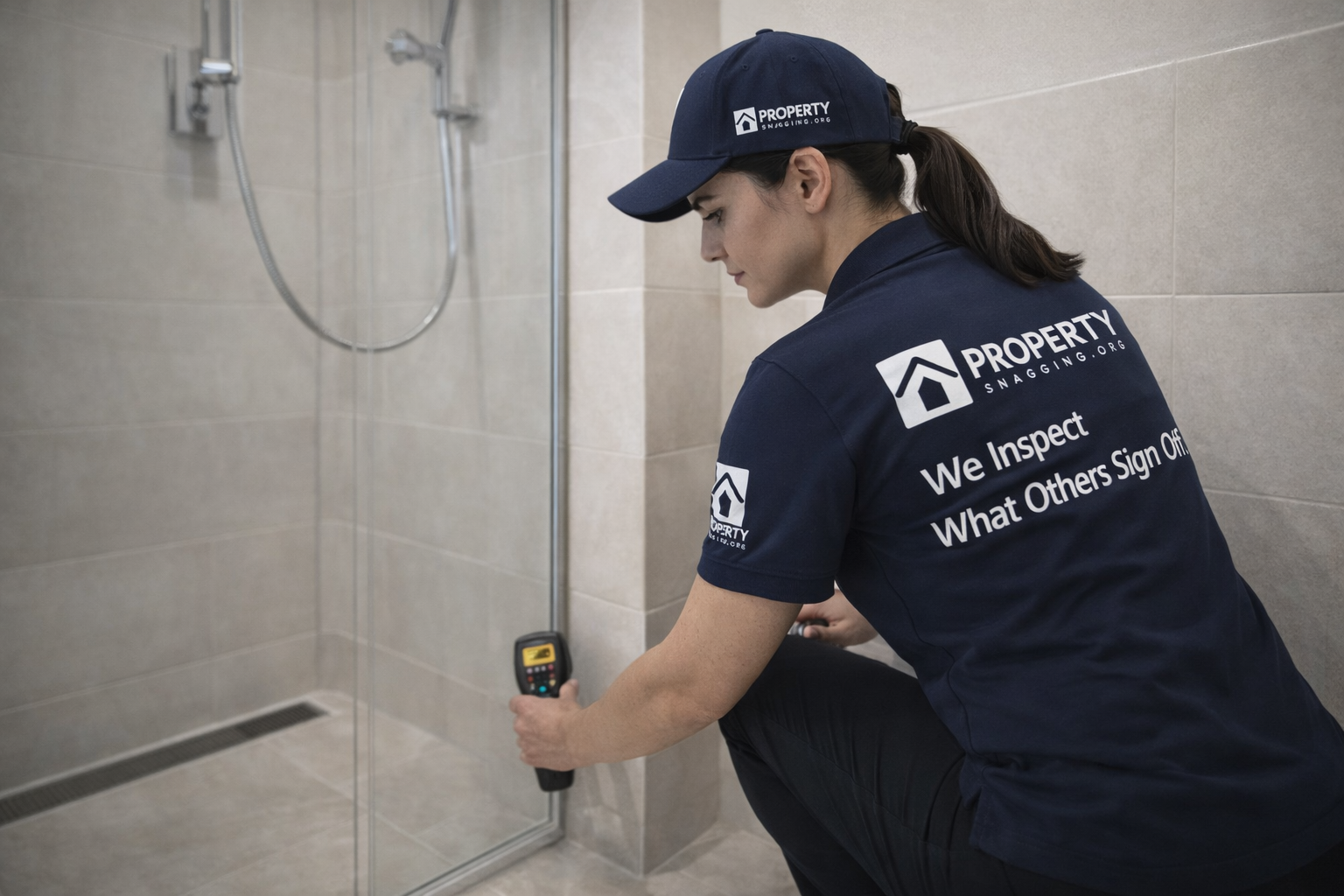
Moisture meters
Electrical safety testers
HVAC airflow and temperature testing tools
Laser levels and precision measuring equipment
These tools reveal hidden defects that cannot be seen visually—especially behind walls, ceilings, and under flooring.
Large Certified Engineering Teams Make a Difference
Inspection quality is not just about tools—it’s about people and scale.
Companies with large certified engineering teams offer:
Faster scheduling
Consistent inspection quality
Multi-disciplinary expertise
High-volume inspection experience
Uniform reporting standards
This is especially important for:
Developers
Investors with multiple units
High-rise buildings
Portfolio inspections
Why International Experience Matters in the UAE
Inspection companies with experience across multiple countries apply broader defect knowledge and refined inspection methodologies.
International inspection exposure improves:
Defect recognition accuracy
Risk assessment
Reporting clarity
Compliance understanding
This is particularly valuable in the UAE, where construction methods vary widely by developer and contractor.
Key Benefits of Choosing a RERA-Approved & InterNACHI®-Certified Company
✔ Regulatory compliance
✔ International inspection standards
✔ Certified engineers and inspectors
✔ Advanced defect detection
✔ Developer-ready reports
✔ Stronger defect resolution outcomes
✔ Better long-term asset protection
Final Thoughts: Certification Is Not Optional—It’s Essential
In a fast-moving real-estate market like the UAE, property snagging is not just about finding defects—it’s about protecting your investment.
Choosing a RERA-approved and InterNACHI®-certified inspection company ensures:
Accuracy
Credibility
Compliance
Peace of mind
When it comes to your property, experience, certification, and standards matter.
Book a certified property snagging inspection today and protect your investment before handover.
