
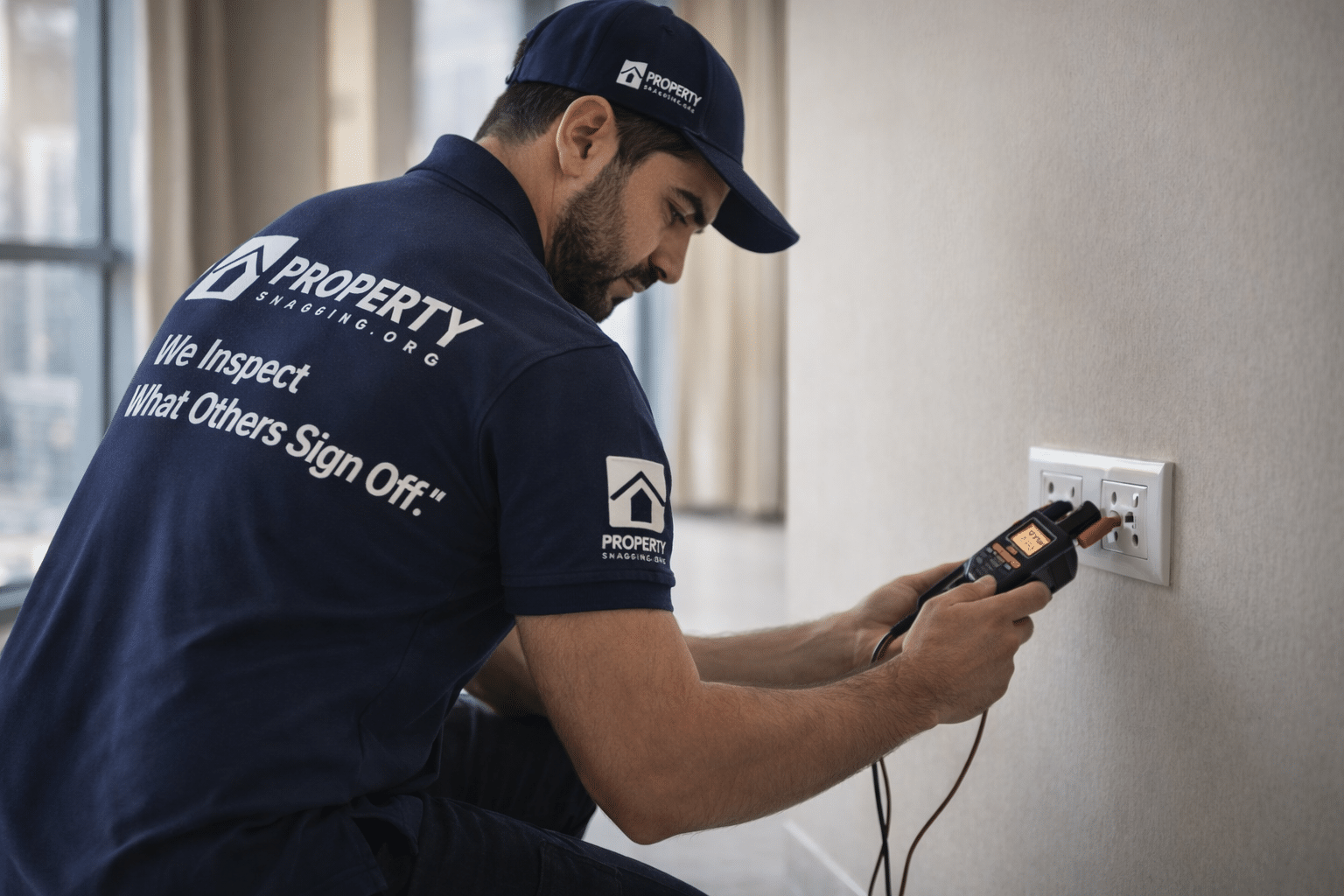
When you’re preparing to move into your new villa in Dubai, the last thing you want to discover after handover is a faulty electrical system. Villas are complex properties with multiple circuits, distribution boards, outdoor installations, and sophisticated HVAC systems—all of which depend on properly functioning electrical infrastructure. A single electrical fault in a villa can cost you 10,000–50,000 AED to repair and, worse, poses serious safety risks to your family.
Electrical testing and commissioning is the professional process that verifies your villa’s electrical system is safe, functional, and compliant with Dubai’s strict standards before you accept the keys.
This comprehensive guide walks you through everything you need to know about electrical testing and commissioning for Dubai villas—what gets tested, why it matters, and how to ensure your villa is truly ready for occupancy.
Why Electrical Testing and Commissioning is Critical for Dubai Villas
Villas are fundamentally different from apartments. They have larger electrical loads, outdoor installations, pool systems, smart home automation, multiple AC zones, and complex wiring that runs through walls, ceilings, and underground conduits. This complexity means more points of failure.
Common villa electrical defects we discover:
- Loose connections in the main distribution board causing overheating
- Circuit breakers that don’t trip when circuits are overloaded
- Poor earthing creating shock hazards in bathrooms and kitchens
- Undersized cables unable to handle peak loads
- Outdoor electrical installations exposed to Dubai’s extreme heat
- Pool pump and lighting circuits improperly isolated
- Smart home wiring not properly integrated with main system
- Thermal hotspots in concealed distribution boards
- Unbalanced loads across three-phase systems
- Missing or damaged insulation on underground cables
Each of these defects can result in fires, electrical injuries, system failures, or costly repairs. And once you’ve signed the handover document, the developer has no obligation to fix them.
Understanding Electrical Testing and Commissioning
Electrical testing and commissioning is the comprehensive verification process that confirms your electrical system is safe, functional, and compliant before you take possession.
It’s different from DEWA’s initial compliance check. DEWA’s certification confirms the system meets minimum safety standards. But electrical testing and commissioning goes deeper—it tests actual functionality, load capacity, safety device responsiveness, and long-term reliability.
What DEWA Requires:
DEWA (Dubai Electricity and Water Authority) mandates that all electrical installations comply with the DEWA Regulations 2025. These standards cover:
- Proper circuit protection (MCBs, RCDs)
- Correct voltage levels (220V ±10%)
- Proper earthing and grounding systems
- Cable sizing appropriate for electrical loads
- Safety devices functioning correctly
- Compliance with fire safety standards
What Professional Testing Adds:
Beyond regulatory compliance, professional electrical testing and commissioning verifies:
- Every circuit functions correctly under load
- No thermal hotspots indicating loose connections
- Proper distribution of electricity across all phases
- Safety devices respond appropriately to overcurrent
- All outdoor installations are weatherproofed
- Smart home systems are properly integrated
- Pool and landscape lighting circuits are isolated
- Emergency shutdown systems work correctly
- No hidden defects that will surface later
Complete Safety Checklist for Villa Electrical Testing and Commissioning
Here’s the detailed checklist that professional inspectors use when testing villa electrical systems:
Main Distribution Board (MDB) & Sub-Boards
- Panel condition and proper labeling of all circuits
- All circuit breakers functioning and rated correctly
- Earth bus bar integrity with no corrosion
- Neutral bus bar properly bonded
- No visible signs of overheating or burn marks
- Panel door closes securely with proper locks
- Emergency shutdown switch accessible and labeled
- No water ingress or moisture inside panels
- All conductors properly terminated and secured
- Bus bars have adequate contact pressure
Wiring & Cable Systems
- All cables routed safely without damage or pinching
- Proper color coding (brown=live, blue=neutral, green/yellow=earth)
- Insulation integrity confirmed via megohm testing
- Continuity of all earth wires verified
- No visible cracks, cuts, or degradation
- Cables properly supported and protected in conduits
- Underground cables protected from physical damage
- No mixed cable types in same conduit
- All connections properly crimped and secured
- Cable sizing appropriate for circuit amperage
Every Outlet, Switch & Fixture
- Polarity tested at every outlet (earth, neutral, live confirmed)
- Ground continuity verified at each socket
- All switches functioning smoothly
- Light fixtures properly earthed and secured
- Outdoor outlets protected with weatherproof covers
- Pool-area outlets have proper GFCI protection
- Kitchen counter outlets on separate circuits
- Bathroom outlets on isolated circuits with RCD protection
- No loose terminals or burnt contacts
- All outlet boxes properly secured
Electrical Loads & Distribution
- Load distribution balanced across all three phases
- No single circuit exceeding its rated amperage
- Peak loads calculated and verified against panel capacity
- Spare circuit capacity available for future expansion
- Voltage levels measured and within ±10% of 220V
- Phase balancing within acceptable tolerances
- No evidence of overloaded cables (burning insulation smell)
- Load distribution documented for future reference
Safety Devices
- RCDs (Residual Current Devices) test tripping response
- MCBs (Miniature Circuit Breakers) test overload response
- GFCI outlets in bathrooms and wet areas function correctly
- Emergency shutdown accessible and tested
- All safety labels present and legible
- Circuit isolation verified for independent zones
- Pool circuits isolated from main system
- Outdoor circuits properly protected
Thermal Imaging Analysis
- Thermal camera scan of all distribution boards
- Detection of hotspots indicating loose connections
- Identification of overheating components before failure
- Verification of heat distribution across circuits
- Detection of load imbalances (one phase hotter than others)
- Inspection of concealed panels (attic, underground)
- Documentation of thermal signatures for future reference
- Comparison against baseline thermal standards
Outdoor Electrical Installations
- Garden lighting circuits properly isolated
- Pool pump and circulation systems tested
- Water heater electrical connections verified
- Outdoor air conditioning units properly grounded
- Gate automation circuits functioning correctly
- Landscape lighting on dedicated circuits
- Weatherproofing of all outdoor connections
- Corrosion prevention measures in place
Smart Home & Automation Systems
- Smart home wiring properly integrated with main system
- Automation panels have adequate earthing
- Control systems functioning correctly
- Emergency overrides functional and accessible
- Integration with safety systems verified
- Backup power systems (UPS) tested
- All system documentation provided
Documentation & Compliance
- DEWA Certificate of Compliance obtained
- All testing results documented with readings
- High-resolution photos of each circuit
- Thermal images of all distribution boards
- Testing equipment calibration certificates
- Engineer’s professional seal and signature
- Defect severity ranking (critical, major, minor)
- Repair recommendations with priority levels
- Warranty information for all components
Villa-Specific Electrical Hazards
Dubai villas face unique electrical challenges due to climate, building design, and system complexity.
Heat Stress on Electrical Systems
Dubai’s extreme heat (50°C+) accelerates insulation degradation. Cables, connections, and components deteriorate faster than in temperate climates. This is why thermal imaging is so critical—it detects overheating before it becomes a fire hazard.
Outdoor Exposure
Villas have extensive outdoor electrical installations—garden lighting, pool systems, landscape pumps, exterior AC units. These are exposed to intense UV radiation, humidity, and salt spray (especially villas near the coast). Corrosion and water ingress are common defects.
Pool System Complexity
Villa pools require multiple electrical circuits: circulation pump, heater, lighting, automation. These circuits must be properly isolated and protected. Improper installation can create electrocution hazards.
Multiple AC Zones
Villas typically have several air conditioning units running on separate circuits. Load imbalancing across phases is a common defect that thermal imaging reveals.
Smart Home Integration
Modern villas often have smart home automation, security systems, and integrated lighting. These systems must be properly integrated with the main electrical infrastructure without creating safety risks.
Underground Wiring
Villa landscaping often requires underground cables. These can be damaged during construction, landscaping work, or settlement. Testing ensures proper protection and continuity.
The Electrical Testing and Commissioning Process
Step 1: Pre-Inspection Coordination
Contact your developer and schedule the inspection 5–7 days before handover. Ensure:
- DEWA power is connected and active
- All utilities (water, gas, AC) are operational
- Access to all rooms, mechanical spaces, and roof
- Developer’s electrical drawings available
- All circuit breakers labeled with their functions
Step 2: Visual Inspection
The engineer inspects every visible component:
- Distribution boards and sub-panels
- All wiring and cable runs
- Outlets, switches, and fixtures
- Earthing and bonding connections
- Outdoor installations
- Smart home integration points
Step 3: Functional Testing
Every circuit is tested individually:
- Polarity at each outlet verified
- Ground continuity confirmed
- Load distribution analyzed
- Safety devices tested for response
- Voltage levels measured
- No overloaded circuits detected
Step 4: Thermal Imaging
Advanced cameras detect heat patterns indicating:
- Loose connections generating resistance
- Overheating components
- Load imbalances
- Potential fire hazards
Step 5: Documentation & Reporting
A comprehensive report is delivered within 24–48 hours:
- Detailed checklist of all items tested
- High-resolution photos with annotations
- Thermal images with heat signatures
- Test readings and measurements
- Defect severity ranking
- Repair recommendations
- DEWA compliance verification
Step 6: Developer Coordination
The inspector works with your developer to:
- Present findings clearly
- Prioritize critical defects
- Establish repair timeline
- Ensure developer accountability
- Coordinate re-inspection after repairs
Step 7: De-Snagging Inspection
After the developer completes repairs, a follow-up inspection confirms:
- All defects properly corrected
- No new issues introduced during repairs
- System ready for final handover
- All recommendations implemented
Red Flags That Indicate Electrical Problems
Even before a professional inspection, watch for these warning signs:
- Burning smell near outlets or panels (indicates overheating)
- Flickering lights (suggests loose connections or overload)
- Warm outlets or switches (indicates excessive resistance)
- Tripping circuit breakers (suggests overload or fault)
- Buzzing sounds from panels (indicates loose components)
- Discolored outlets or switches (sign of arcing or heat damage)
- Water stains near electrical installations (moisture hazard)
- Visible corrosion on outdoor connections
- Rust on metal components (oxidation reducing safety)
- Mismatched or unlabeled circuits (poor workmanship)
Any of these warrant immediate professional inspection.
Cost of Skipping Electrical Testing and Commissioning
Many villa buyers skip professional electrical testing to save 500–1,000 AED. This false economy often costs them dearly:
- Electrical fire destroying the property (potentially 500,000+ AED)
- Electrical injury requiring medical treatment or worse
- Repair costs after warranty expires (10,000–50,000 AED)
- System failures during peak cooling season (inconvenience + cost)
- Insurance claim denials if defects were pre-existing
- Resale complications when buyers discover hidden electrical issues
- Liability if electrical defect causes injury to family or guests
One professional inspection prevents all of these outcomes.
How to Prepare for Your Villa’s Electrical Testing and Commissioning
Before scheduling your inspection, ensure:
- DEWA is connected – Electricity must be active for proper testing
- All utilities operational – AC, water, gas should be on
- Developer access confirmed – Coordinate with site manager
- Property ready – All rooms accessible, no ongoing construction
- Drawings available – Electrical plan shows circuit layout
- Time allocated – Allow 3–4 hours for villa inspection
- Developer present – Helps address issues immediately
- Schedule well ahead – Don’t wait until handover day
Properties That Need Special Attention
Certain villa types require additional electrical testing focus:
Luxury Villas
- Complex smart home systems
- Multiple HVAC zones
- High-end audio/visual installations
- Security system integration
- Check all automation properly integrated
Waterfront Villas
- Salt spray corrosion risks
- Moisture ingress concerns
- Underground cable protection
- Outdoor installation durability
- Thermal stress on exposed systems
Villa with Pools
- Pool pump circuits isolated properly
- Heater electrical connections safe
- Lighting circuits protected from moisture
- Automation systems functional
- GFCI protection for all pool areas
Smart Home Villas
- Integration with main electrical system
- Backup power systems functional
- Control panels properly earthed
- Security system integration verified
- Emergency overrides accessible
Villas Under Construction Defects
- Damage from construction activity
- Improper cable protection
- Corrosion from exposed wiring
- Missing insulation discovered later
- Poor workmanship evident in connections
Why Professional Electrical Testing and Commissioning is Worth the Investment
Yes, professional electrical testing costs 500–1,000 AED. But consider what it provides:
✓ Peace of mind – Know your system is safe before your family moves in ✓ Fire prevention – Detect hotspots before they cause ignition ✓ Injury prevention – Verify proper earthing prevents electrical shocks ✓ Developer accountability – Have documentation forcing repairs before handover ✓ Future protection – Baseline documentation helps with future maintenance ✓ Insurance compliance – Documented inspection supports insurance claims ✓ Resale value – Buyers trust properties with professional inspection records ✓ System understanding – Detailed report explains your electrical system ✓ Maintenance guidance – Recommendations for long-term system care ✓ Cost savings – Prevention costs far less than emergency repairs
One electrical fire or serious injury costs 100+ times what a professional inspection would have prevented.
Frequently Asked Questions About Villa Electrical Testing and Commissioning
Q: Do I really need electrical testing if the developer has DEWA approval?
A: Yes. DEWA approval confirms minimum compliance, but doesn’t guarantee functionality, safety, or long-term reliability. Professional testing finds defects DEWA’s inspection misses.
Q: How long does electrical testing and commissioning take?
A: For a villa, typically 3–4 hours depending on size and complexity. Multi-story villas or those with smart home systems may take longer.
Q: When should I schedule the inspection?
A: Schedule 5–7 days before your handover date. This gives the developer time to address critical defects before final acceptance.
Q: What if defects are found?
A: Critical defects must be fixed before handover. Major defects should be fixed before you move in. Minor defects can be documented for warranty coverage.
Q: Can I negotiate with the developer based on inspection results?
A: Absolutely. A professional inspection report gives you documented leverage. Developers are more likely to agree to repairs when defects are professionally documented.
Q: Is thermal imaging really necessary?
A: Yes. Thermal imaging detects loose connections, overheating components, and load imbalances that standard testing misses. It’s the difference between finding a fire hazard before it ignites.
Q: Will the inspection interfere with my handover schedule?
A: No. Professional inspectors coordinate with developers to work around handover timelines. Inspection results actually speed up the handover process by clearly identifying what needs fixing.
Q: What if I’ve already accepted handover?
A: You can still have an inspection. Defects found within the warranty period (typically 1 year) should be covered by the developer. Documentation is critical.
Real Villa Electrical Defects We’ve Found
Case 1: Palm Jumeirah Villa
- Loose main breaker connection generating extreme heat
- Thermal imaging revealed hotspot at 85°C
- Would have caused fire within months
- Developer corrected before handover
- Inspection saved 50,000+ AED in potential damage
Case 2: Jumeirah Golf Estates Villa
- Pool pump circuit improperly isolated from main system
- Load imbalance causing one phase to run at 250V
- Risk of equipment damage and electrical injury
- Corrected and re-tested before occupancy
- Family safety protected
Case 3: Emirates Hills Villa
- Smart home wiring not properly grounded
- Security system creating shock hazard in control panel
- Hidden defect not visible during standard inspection
- Thermal imaging identified the issue
- Developer rewired system to proper standards
Case 4: Al Barari Villa
- Underground cables damaged during landscaping
- Insulation compromised, creating fire hazard
- Only detectable via insulation resistance testing
- Identified before handover, replaced by developer
- Prevented potential catastrophic failure
Next Steps: Book Your Villa’s Electrical Testing and Commissioning
Your villa is one of your most significant investments. Electrical safety is non-negotiable. Don’t accept handover without professional testing and commissioning.
