
Introduction: Understanding Property Snagging
Property snagging is the meticulous process of inspecting a newly constructed or renovated property to identify and rectify any defects, imperfections, or unfinished work before the final handover to the buyer. This crucial step ensures that the property meets the agreed-upon standards and specifications, safeguarding the buyer’s investment and peace of mind.
The Importance of Property Snagging
Quality Assurance: Ensures that the property is free from defects and meets the expected quality standards.
Financial Protection: Identifies issues early, potentially saving significant repair costs in the future.
Legal Compliance: Verifies that the property adheres to building regulations and safety standards.
Peace of Mind: Provides confidence to the buyer that the property is in optimal condition.
The Snagging Process: Step-by-Step
Initial Inspection: A thorough walkthrough of the property to identify visible defects and unfinished work.
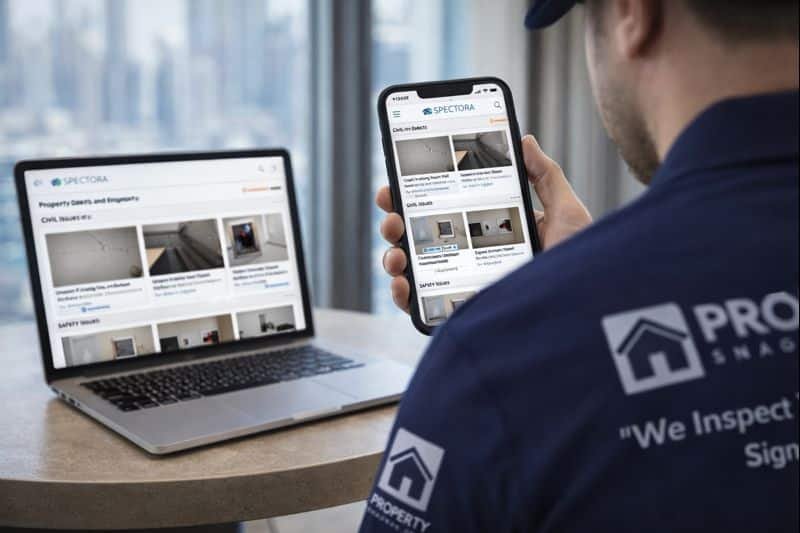
Documentation: Detailed recording of all identified issues, including photographs and descriptions.
Reporting: Compilation of a comprehensive snagging report to present to the developer or builder.
Rectification: Developer addresses the identified issues within a specified timeframe.
Final Inspection: A follow-up inspection to ensure all issues have been resolved satisfactorily.
Common Defects Identified During Snagging
Cosmetic Issues: Paint blemishes, scratches on windows, uneven tiling.
Structural Problems: Cracks in walls, misaligned doors and windows.
Plumbing and Electrical Faults: Leaking pipes, faulty wiring, non-functional outlets.
Safety Hazards: Missing smoke detectors, inadequate fire exits.
When Should Snagging Be Done?
Ideally, snagging should occur after the construction is completed but before the final handover to the buyer. This timing allows for any issues to be addressed promptly, ensuring the property is in perfect condition upon possession.
Who Should Conduct the Snagging Inspection?
While some buyers may attempt a DIY inspection, it’s highly recommended to hire professional snagging experts. These professionals possess the necessary expertise and experience to identify even the most subtle defects that an untrained eye might miss.
Creating an Effective Snagging List
A well-structured snagging list is essential for a successful inspection. Key components include:
Item Description: Clear identification of the defect.
Location: Precise location of the issue within the property.
Severity: Assessment of the defect’s impact on the property’s functionality and safety.
Photographs: Visual evidence of the issue.
Recommended Action: Suggested steps for rectification.
Benefits of Professional Snagging Services
Expertise: Professionals are trained to spot issues that may go unnoticed.
Thoroughness: Comprehensive inspections cover all aspects of the property.
Efficiency: Quick identification and reporting of issues streamline the rectification process.
Advocacy: Professionals act in the best interest of the buyer, ensuring all issues are addressed.
Conclusion
Property snagging is an indispensable part of the home-buying process. By ensuring that all defects are identified and rectified before possession, buyers can move into their new homes with confidence, knowing that their investment is secure and the property is in optimal condition.
Frequently Asked Questions (FAQs)
1. What is the difference between a home inspection and a snagging inspection?
A home inspection typically assesses the overall condition of a property, including structural elements and systems. In contrast, a snagging inspection focuses specifically on identifying minor defects and unfinished work in newly constructed or renovated properties.
2. How long does a snagging inspection take?
The duration of a snagging inspection depends on the size and complexity of the property. On average, a thorough inspection can take between 2 to 4 hours.
3. Is snagging only for new builds?
No, snagging inspections can also be beneficial for renovated or refurbished properties to ensure that all work has been completed to a high standard.
4. Can I conduct a snagging inspection myself?
While it’s possible to perform a basic inspection, hiring a professional snagging expert is recommended to ensure that all potential issues are identified and addressed.
5. What happens if defects are found during a snagging inspection?
The identified defects are documented in a snagging report and presented to the developer or builder, who is typically responsible for rectifying the issues within a specified timeframe.