
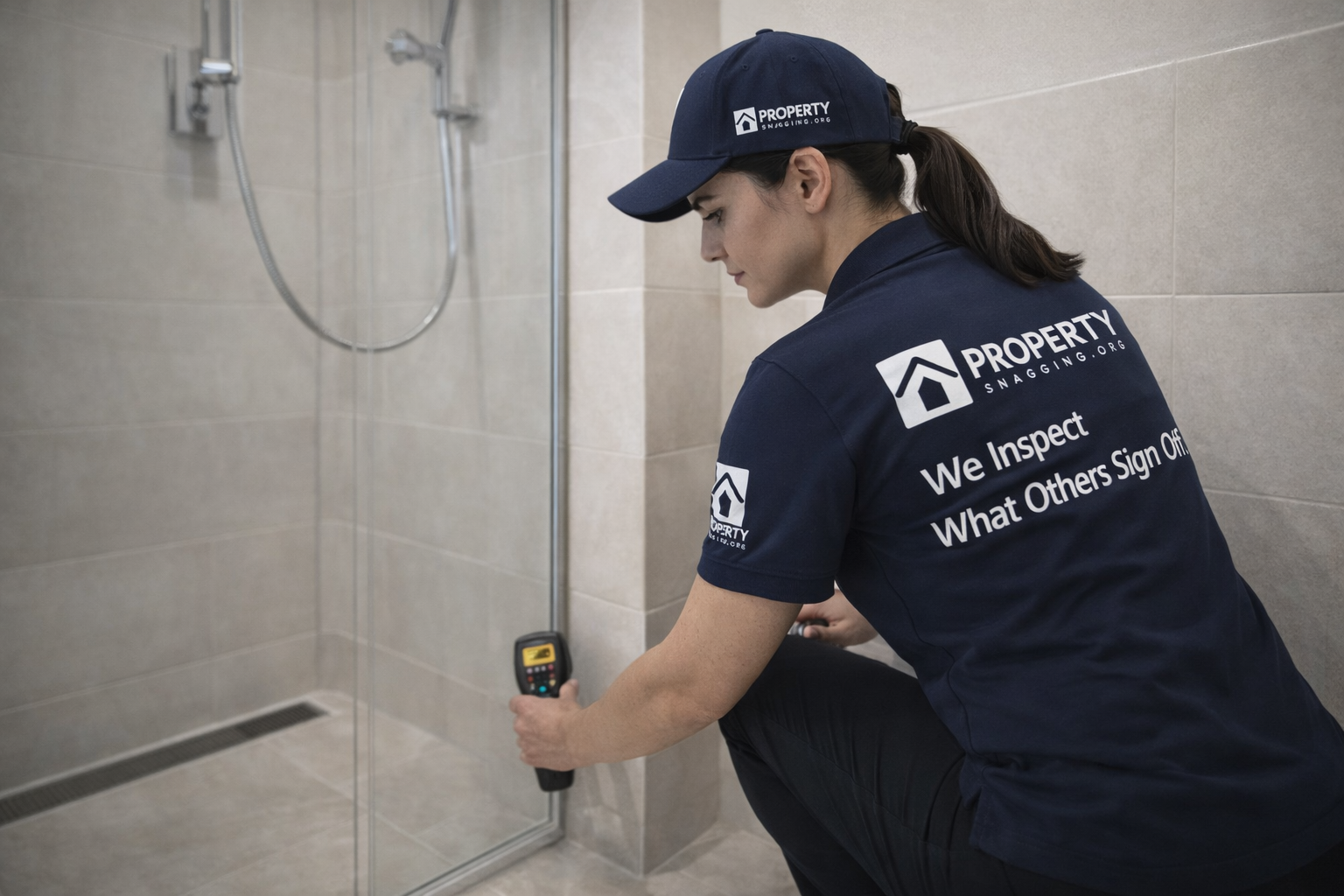
Moving into a new apartment should be exciting, not stressful. Before you unpack your boxes and make the place your own, it is worth taking a little time to check the property over properly. Small defects are fairly common in properties, often despite an apartment looking great, a loose fitting, damaged tile, leaking tap, poorly aligned door or problem with an electrical point can go unnoticed during a quick viewing. Finding and getting these resolved after you move in can prove to be much more difficult. This is where property snagging can make a real difference.
A proper snagging inspection helps identify defects, unfinished work, poor workmanship, and functional problems before they turn into bigger concerns. Whether you are buying a new apartment, taking possession of a property, or renting a home, knowing its condition from the beginning gives you greater peace of mind.
What Is Property Snagging?
Property snagging is the process of checking a property carefully for defects and recording anything that needs repair, adjustment, replacement, or further investigation.
The inspection can cover both the appearance and functionality of the property. Depending on the scope, this may include walls, ceilings, floors, doors, windows, bathrooms, kitchen fittings, plumbing fixtures, electrical points, air conditioning, wardrobes, balconies, and other accessible areas.
The idea is simple: find the problems early and document them clearly.
We provide the snagging report to the developer or contractor so they address the identified issues for a new property.
Why Apartment Snagging Matters
An apartment may look finished when you first walk through it, but a quick viewing rarely gives you enough time to check everything.
This is why apartment snagging is useful, particularly around the handover stage.
For example, you might notice that someone has freshly painted the wall, and you assume everything is fine. A closer inspection could reveal uneven finishing, hairline cracks, marks around fittings, or poorly finished corners.
The same applies to bathrooms and kitchens. You may find the tap fine until you use it. A cabinet may look good until you open every door and drawer. A bathroom drain may only show a problem when water is running.
A detailed inspection gives these areas the attention they deserve.
What Does an Apartment Snagging Inspection Check?
Every property is different, so the exact inspection scope can vary. However, a thorough apartment inspection may include the following areas.
Walls and Ceilings
Check for cracks, stains, uneven paint, dents, poor finishing, and visible signs of moisture.
Floors and Tiles
Look for cracked tiles, uneven surfaces, damaged flooring, loose sections, gaps, and poor finishing around edges.
Doors and Windows
Verify that doors open and close properly, and inspect locks, handles, hinges, frames, and visible seals. Windows should also be tested where accessible.
Kitchen
Cabinet doors, drawers, worktops, sinks, taps, splash backs, appliances where included, and visible plumbing connections can all require attention.
Bathrooms
Bathrooms deserve careful checking because water-related defects can become expensive if they remain unnoticed. Look for leaking fixtures, poor drainage, damaged tiles, gaps in sealant, and visible finishing problems.
Electrical Fixtures
Accessible switches, sockets, lights, and other installed electrical fixtures can be checked for visible defects and basic operation.
Air Conditioning
In Dubai and other hot climates, air conditioning is an essential part of everyday living. The inspection team should examine the system within the agreed scope to reveal any obvious operational or installation problems.
A Move-In Inspection Creates a Useful Record
A move in inspection is particularly useful for rental properties.
Before you start living in the apartment, documenting its condition gives you a reference point for the future. Photographs and written notes can show what was already damaged or worn when you received the property.
For example, imagine there is a small scratch on the bedroom door or a mark on the living-room wall. If you do not record it at the start of the tenancy, you may have difficulty establishing when the damage occurred.
Keep the move-in inspection simple. The important thing is to be thorough and keep a clear record.
What Should You Look for During a Move-In Inspection?

Take your time rather than simply walking from room to room.
Check:
- Walls and ceilings for marks or cracks
- Flooring for scratches and damage
- Doors, handles, locks, and hinges
- Windows and visible seals
- Kitchen cabinets and drawers
- Bathroom fixtures and drainage
- Taps and visible plumbing
- Light switches and sockets
- Air-conditioning operation
- Built-in wardrobes
- Appliances included with the rental
- Balcony and other accessible areas
Take photos of anything that is already damaged or does not work properly.
If the landlord or property manager provides a condition report, compare your observations with it and point out items missed.
Move-Out Inspection: Why It Matters Too
Inspection is not only important when you move into a property.
A move out inspection gives you an opportunity to check the apartment’s condition before handing it back to the landlord or property manager.
Ideally, the move-out condition should be considered alongside the original move-in record. This helps distinguish normal use from damage that may require repair.
For tenants, keeping the original photographs and inspection notes can be particularly helpful because they provide a record of the property’s starting condition.
What Is Checked During a Move-Out Inspection?
A move-out inspection may look at:
- Walls and ceilings
- Floors and carpets
- Doors and windows
- Kitchen fittings
- Bathroom fixtures
- Cabinets and wardrobes
- Appliances provided with the property
- Electrical fixtures
- Visible plumbing issues
- Other fixtures included in the tenancy
The exact requirements will depend on the rental agreement and the property’s condition.
Should You Hire a Property Snagging Company?
Some homeowners prefer to inspect their property themselves. That can be useful for spotting obvious problems, but a professional property snagging company can provide a more systematic inspection.
Professional inspectors are accustomed to looking for issues that are easy to overlook during a normal viewing. They can also organize findings into a report, making it easier for the owner to communicate defects to a developer, contractor, landlord, or maintenance team.
This can be especially useful for a large apartment, newly completed property, or a home where the buyer does not have experience assessing construction quality.
How to Choose the Best Snagging Company
Searching for the best snagging company can bring up many options. Rather than choosing based only on price or advertising, look at what you actually receive for the service.
Before booking, consider:
Inspection Coverage
Ask exactly what areas are included. A low-cost service may not provide the same level of inspection as a more comprehensive package.
Reporting
Find out whether the company provides photographs, descriptions, locations of defects, and a structured report.
Experience
Experience with apartments and local property types can be valuable because inspectors become familiar with common issues and areas that require closer attention.
Communication
The company should be able to explain the findings clearly and answer questions about the inspection process.
Follow-Up
If the company offers a re-inspection after repairs, find out what is included and whether it is charged separately.
The right company should give you useful information, not simply a long list of minor observations.
What Are Snagging Services?
Professional snagging services can range from a basic visual inspection to a more detailed assessment using specialist equipment and structured reporting.
The right service depends on your property and your reason for arranging the inspection.
For a newly purchased apartment, you may want a comprehensive handover inspection. For a rental property, a move-in or move-out condition inspection may be more appropriate.
Before booking, make sure you understand exactly what the service includes.
Snagging Is Not Just About Finding Faults
It is easy to think that the purpose of snagging is simply to create a long list of problems. That is not really the point.
A useful inspection should help you understand which issues require attention and provide enough information for those issues to be addressed.
For example, saying “bathroom problem” does not tell a contractor much. A report that identifies the specific bathroom fixture, explains the visible issue, and includes a photograph is much more useful.
Good documentation makes the repair process easier.
When Is the Best Time to Carry Out Property Snagging?
For a newly built property, snagging is generally most useful before or around handover.
This gives the owner an opportunity to identify defects before fully settling into the property.
For a rental home, a move in inspection should ideally be completed before or immediately after taking possession. At the end of the tenancy, a move out inspection provides another useful record of the property’s condition.
For an existing property purchase, an inspection can also help identify issues before the transaction is completed, depending on the circumstances and agreement between the parties.
Common Mistakes Homeowners Make
One of the biggest mistakes is rushing.
A property can look impressive during the first few minutes, particularly when it has been cleaned and prepared for viewing. That does not mean every detail has been checked.
Another common mistake is focusing entirely on cosmetic defects while ignoring functionality.
A small paint mark is easy to spot, but a leaking connection, drainage problem, faulty lock, or poorly operating window may be more important in the long term.
It is also a mistake to rely entirely on memory. Take photographs and keep a written record of issues so that you can refer back to them later.
To Sum Up
Property snagging is a practical step that can help buyers, homeowners, landlords, and tenants understand the condition of a property before problems become harder to resolve.
For apartment owners, apartment snagging can uncover defects that are easy to miss during a normal viewing. For tenants, a move in inspection and later move out inspection can create a useful record of the property’s condition.
If you decide to hire a property snagging company, compare the inspection scope, reporting quality, experience, and overall value rather than choosing purely on price.
There is no need to complicate snagging. The aim is simple: spot problems, record them correctly, and provide enough information for the relevant party to fix them.
A thorough inspection before you settle in can save you time and arguments and give you confidence over your new property.
