
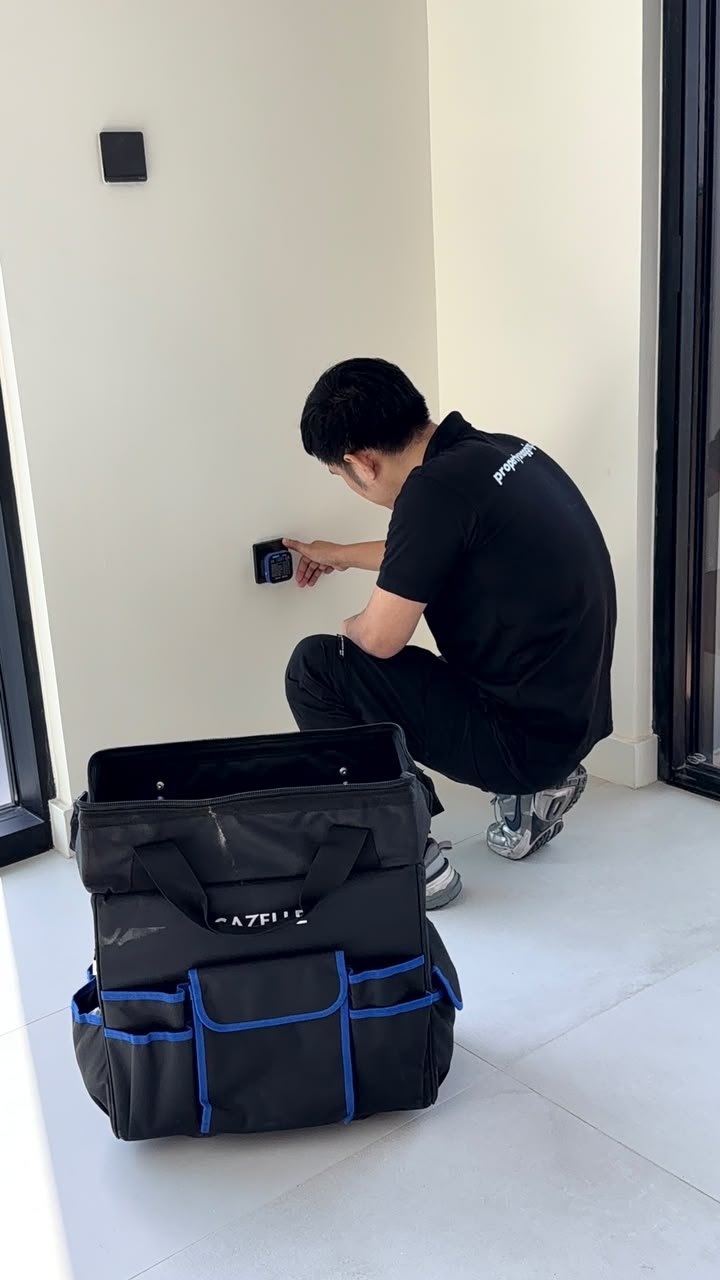
A property can appear perfect but conceal issues that are not obvious from the outset. A snagging company in Dubai can identify problems with finishes and fittings. It checks flooring, walls, doors, windows, and accessible areas. This happens before occupation or handover. For homeowners and buyers in Dubai, understanding these issues helps communicate concerns to the appropriate contractor. It also enables any necessary corrections.
Concerns with construction are not necessarily significant structural issues. In addition to larger defects, there are often finishing issues. Inconsistent tiles, paint defects, and fitted doors and windows that do not close appropriately are also present.
A systematic inspection considers the property beyond its overall presentation. During the inspection, the inspector considers individual components, examines fixture accessibility, and documents notable defects. Whether buying a new apartment, a villa, or arranging a general property inspection, you should note potential concerns. This helps you know what to look for. It also indicates when to arrange further professional assessment.
Why Finishing Defects Should Not Be Overlooked
Finishing works generally contribute to a property’s presentation and utility. Paint, plaster, tiles, flooring, doors, windows and sealant all contribute to the overall appearance and functionality of a property. When installed incorrectly the impact can be both cosmetic and disruptive.
For example, a mark in a paint finish may be easy to correct. However, a window that fails to remain closed needs more thorough investigation. Loose tiles, unexpected damp patches and gaps around external fixtures are additional issues that may arise.
The role of snagging is to identify these observations and document them appropriately. The inspector records what is seen. It should include where it is located and whether further investigation is necessary. This approach helps property owners to differentiate between cosmetic and finishing corrections and issues requiring more specialist intervention.
Recording defects early improves the likelihood of informing the relevant handover or maintenance procedures. This helps ensure prompt action. Homeowners should always remain within the developer’s procedures and applicable reporting periods.
Common Defects in Walls and Paintwork
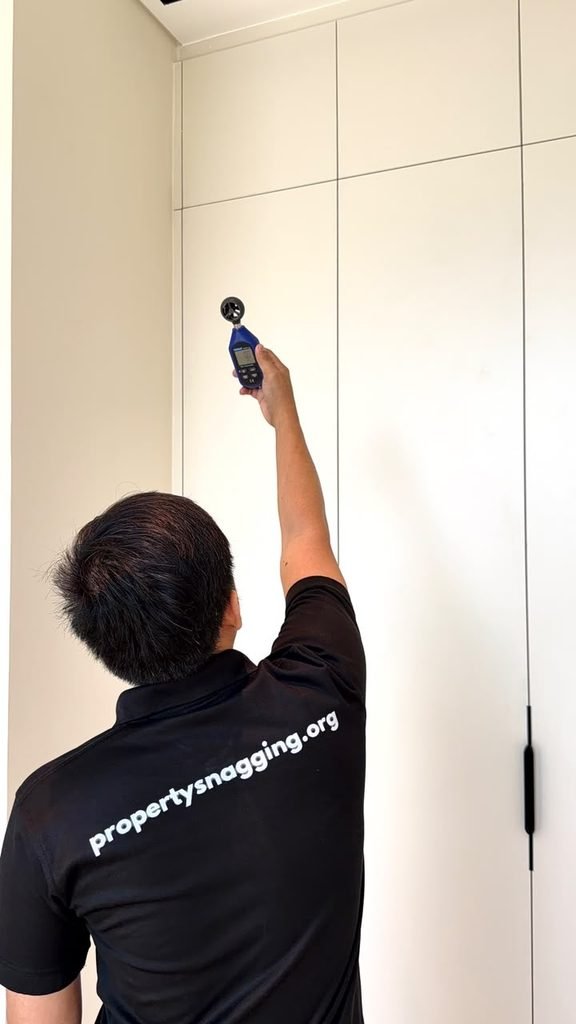
Walls are the visible first elements of a property. A general view can miss some finishing concerns. Inconsistent paints, visible roller marks, corner damage, plaster imperfections, and poor joints are common issues that become apparent when viewing natural and artificial light.
Inspect the paintwork from different angles. Look for variations in color, patches of significantly different appearance, paint splashes on switches and the ends of strips around door frames and skirting boards. The area behind doors and near window openings often require attention.
Cracks should be recorded in detail. Minor surface imperfections may be the result of finishing works, but the appearance of a crack alone does not confirm the cause or severity. Wider and fluctuating cracks, and associated concerns with movement or moisture may require specialist assessment.
Do not cover damp patches, bubbles in paint, or discolored plaster with fresh paint before you establish the cause.
During a property inspection, photographs of wall defects show the location and appearance of the concern. A brief description is also useful, particularly when several rooms share similar concerns.
Flooring Defects That Affect Appearance and Use
Flooring sees regular use and as such the condition is particularly important prior to occupation. Common defects include cracked tiles, chipped edges, uneven joining, damaged laminate, scratched surfaces, poorly finished section and transitions between rooms.
In tiled areas, view whether the lines between tiles are reasonably consistent and if any of the tiles show visible damage. Pay attention to corners and edges where cuts and finishing may be less neat. If a tile appears to be loose or moves with normal use, record the observation, rather than attempting to remove or correct it.
Inspect timber and laminate flooring for lifted ends, gaps, scratches, bulges, and damaged sections. The condition of skirting boards is also important, with gaps, loose sections, chipped paint and unfinished ends affecting the overall finish of a room.
Level differences and transitions between floor sections deserve attention. The design may intentionally include a noticeable change in level, and it should not be automatically considered a defect. Note the exact location and seek clarification if it appears inconsistent with the agreed specifications, or a practical concern.
Effective snag work involves documenting the observations accurately. A photograph taken from an appropriate angle and a brief description allows the relevant party to understand the concern.
Door Defects: Alignment, Hinges and Locks
People use doors frequently, so minor installation concerns can quickly become a nuisance. A door may appear to look fine but still stick, close unevenly or fail to latch correctly.
As part of an inspection, open and close each accessible door several times. View whether the motion is smooth, and the door remains reasonably in the frame, without requiring excessive force to open or close. Consider the hinges, handles, locks, doorstops and visible edges for damage or improper installation.
Common defects include misaligned door leaves, loose handles, damaged surfaces, uneven gaps around the frame, sticking doors and faulty latching. Internal doors may also show scratches, chipped paint or unfinished edges.
External doors require particular attention, as they can contribute to the security, weather protection and comfort of a property. Ensure the locking mechanism operates normally, and view whether there are visible gaps or damage to the framing. Do not assume that a door is secure, merely because it closes.
Record the behavior and location when a door warps, sticks to the floor, or repeatedly fails to latch. The cause may be the door, frame, hinges or any other component, and it is better to document the observation, than to assume the source of the repair.
Window Defects and Poor Installation
Windows contribute to the amount of natural light, ventilation, weather protection and comfort of a home. Defects include scratched glass, damaged frames, loose handles, stiff functioning, incomplete sealant, and visible gaps around the frame.
Where access and operating conditions are safe, open and close the windows. View if the handles and locking mechanisms operate normally and look for any damage to the glass or frame. If the window does not close fully, record the concern, and the room in which it is located.
Sealant around window frames warrants particular investigation. Visible gaps, missing sections and visibly deteriorated sealant may require correction, particularly if the window is part of the external envelope of the building. The appearance of a seal does not confirm that installation is watertight.
Look for water stains, damaged paint or signs of moisture near windows. Record and investigate these observations as appropriate. A visual inspection cannot confirm the state of concealed installation layers, or determine the source of water ingress without further assessment.
For property snagging Dubai homeowners, window concerns are particularly relevant, as dust, high temperatures and seasonal rainfall can affect the performance of external openings. Homeowners should assess any concerns in accordance with the property’s design and specifications.
Sealant, Grout and Finishing Around Fixtures
Some of the most easily overlooked defects occur in conjunction with different materials. Inspect the sealant around sinks, shower enclosures, kitchen worktops, and window frames for gaps, incomplete application, damage, and poor finishing.
In bathrooms and kitchens, missing or deteriorated sealant may allow water to reach areas that should remain protected. However, sealant is only a small element of the installation and its appearance cannot confirm the state of concealed waterproofing.
Inspect grout lines between tiles for obvious gaps or cracks, and look for missing sections. View for damaged edges around basins, worktops, and fitted cabinets, and unfinished joints where surfaces meet.
A thorough inspection notes the location and scope of the concern, rather than assuming the underlying cause. Where a concern involves potential water ingress, repeated dampness or suspected waterproofing failure, further assessment may be necessary before selecting repair methods.
Why Plinth Protection Matters Around a Building
As an exterior feature, plinth protection surrounds base of certain buildings to protect adjoining ground-level area from water-related effects. Its design and construction are dependent on the building’s specifications and site conditions.
During an exterior inspection consider the accessible area around the building’s base. Visible defects may include cracks, damaged finishes, gaps and signs of moisture collecting close to external walls. Drainage arrangement and ground surface may also warrant attention where included in the inspection scope.
The presence of plinth protection does not guarantee that the building’s base is protected from moisture. Its effectiveness is dependent on the overall design, installation, drainage and surrounding elements.
If water repeatedly collects near the building, or if damp marks appear on adjacent walls, record the observations and request further assessment. A visual inspection cannot confirm the state of concealed waterproofing, foundations, and otherwise inaccessible elements.
Professionals in snagging should recognize this important distinction: visible indications identify a concern, while a technical investigation must determine the cause and the appropriate corrective work.
How Professional Snagging Work Is Carried Out
A structured inspection follows a methodical process rather than a quick walk-through. The inspector examines accessible areas, observes visible defects, checks normal functions where safe to do so, and records the findings in a report.
The process generally begins with a review of the property’s layout and scope of inspection. Staff examine each room for finishing defects, flooring, walls, doors, windows, and relevant fixtures. We may also include the exterior, if agreed and safely accessible.
Every finding must be recorded. The entry identifies the location, describes what is found, and includes a photograph when appropriate to clarify the concern. For example, a description such as ‘the bedroom window does not close smoothly’ is more useful than a general note about ‘window problem’.
After completing the report, the owner submits the findings to the developer, contractor, seller, or other relevant party, where applicable. After rectification, the affected elements should be examined to confirm that the reported concern has been addressed.
Effective snagging work does not label every minor variation as a serious defect; it communicates precise, understandable details to guide the relevant parties in addressing the issues.
Choosing a Snagging Company in Dubai
When arranging a property inspection Dubai buyers should consider the provider’s experience, quality of reporting, scope of inspection and communication process. The cheapest service is not necessarily the most appropriate, if the report lacks clear descriptions and photographs.
Dubai property owners should choose a reputable snagging company that outlines included areas and systems, and what’s outside the service. Inquire whether the report includes photographs, and how findings are categorized, and if a follow-up inspection can be arranged after repairs.
It is worth considering the inspector’s relevant qualifications, experience with the property type and ability to explain technical concerns in accessible language. A professional should be clear about the limitations of a visual inspection, and avoid making unsubstantiated claims about concealed defects being detectable.
For owners arranging property snagging Dubai services, the most useful report is one that assists in understanding the findings and taking the next practical steps. It should document the observed concerns, without unsubstantiated claims about the cause or severity of every defect.
Home Inspection Before Handover or Occupancy
A home inspection can be beneficial when buying a newly completed property, preparing for handover or assessing a home before moving in. It provides an opportunity to examine visible finishes and accessible components before everyday use makes some areas difficult to access.
Before handover, review the developer’s inspection procedures, and confirm how defects should be submitted. If the property is already occupied, a home inspection can still identify visible concerns, although access may be limited by furniture, personal belongings and operating conditions.
Owners should retain copies of inspection reports, photographs and correspondence regarding the reported defects. These records help to maintain a clear history of what was observed, and when the issue was raised.
A standard home inspection is not a replacement for structural engineering advice or specialist electrical testing, where needed. If the inspector identifies a concern that falls outside the scope of the agreed procedure, the next step should be to consult the appropriate qualified professional.
Final Thoughts: Identify Defects Before They Become Bigger Concerns
Defects of finishes, flooring, walls, doors and windows can affect a property’s appearance and utility. Some only require finishing corrections, while others can require further investigation to establish the cause.
Careful snagging helps homeowners to identify these concerns, document them accurately and communicate with the relevant parties. From uneven tiles and damage to paint, to faulty window mechanisms and concerns around plinth protection a systematic approach helps to understand the property’s visible condition.
Whether arranging a home inspection, working with a snagging company Dubai residents can access or preparing for a handover, focus on clear observations, useful photographs and appropriate follow-up. A detailed property inspection cannot guarantee a defect-free home, but can provide a more informed basis for addressing concerns before they become part of everyday living.