
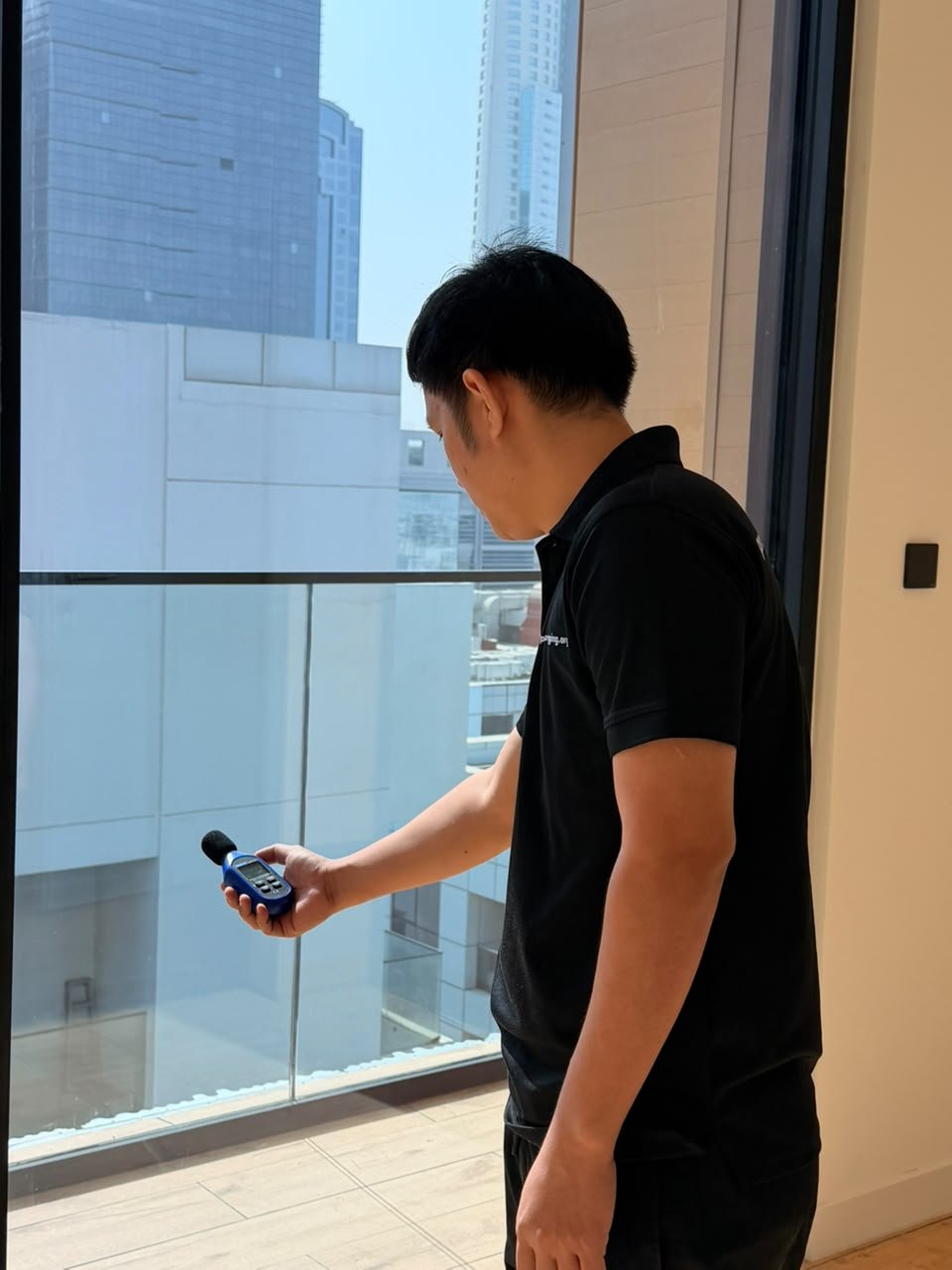
Modern residential architecture embraces contemporary designs, space-planning, full-height windows, stylish finishes and innovative materials. That said, an appealing concept does not always equate to a perfectly-finished property, hence the need for property snagging Dubai. A thorough inspection can highlight visible defects. It can also reveal incomplete snag work and problematic finishing. These findings help identify areas needing improvement before homeowners move in or take possession from a developer.
As well as modern architecture, residential buildings also incorporate complex electrical, plumbing, cooling, drainage and waterproofing systems. A minor flaw can adversely affect a property’s aesthetics, functionality, and performance. This can involve issues such as a defective window seal, an uneven floorboard, or insecure fittings.
For the homeowner, as well as investors, developers and the property industry, snagging goes beyond ensuring a final visual ‘check’. It is a pragmatic step in bringing a completed property up to the standard of its design and build.
Modern Architecture Needs More Than an Appealing Surface
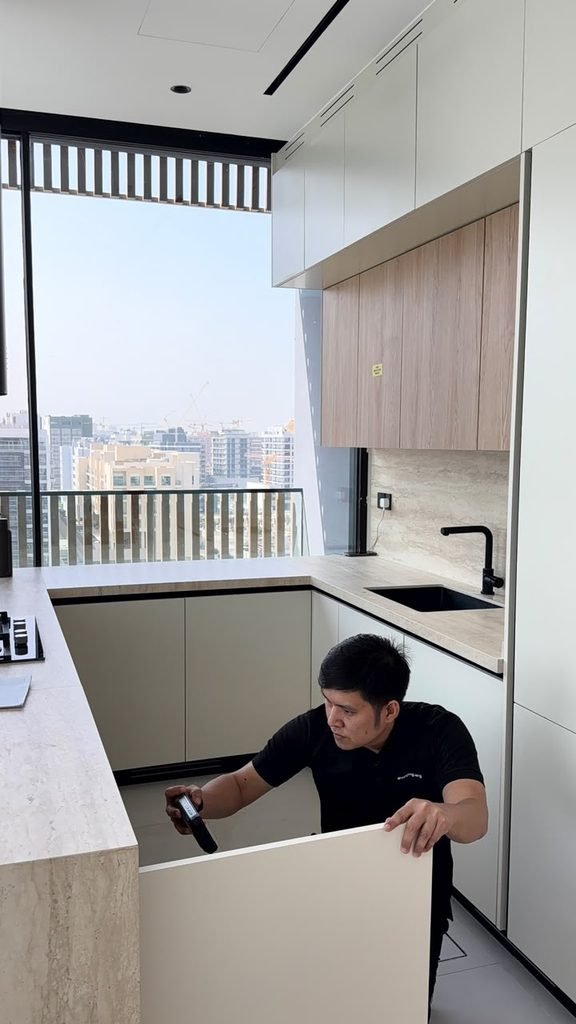
Today’s residential architecture puts an emphasis on aesthetics within architectural design and construction. Developers invest in high-spec flooring, decorative lighting, glass partitions, fitted kitchens, and modern bathrooms. They also create carefully designed outdoor areas that enhance the home’s appeal. Each of these however requires correct installation and finishing.
Even a well-decorated apartment may have poorly aligned cabinet doors. It can also show damaged tiles, uneven painted surfaces, and windows that fail to shut securely. When inspecting a villa, similar snagging issues can occur in external finishes. Boundary walls, roof-accessible parts, terraces, and drainage areas may also have problems.
A professional inspection focuses on the condition of these items rather than simply assessing a home on its presentation. The objective is to locate any visible problems. Record them clearly so they are easy to understand. The correct parties know which work must be done.
This is particularly vital within modern architectural constructions, where a variety of materials meet at junctions. When you fit a window frame to a wall, you should take extra care. Finishing should create an attractive joint. Similarly where fitting meets tiled or other surfaces, the seal may show gaps or omissions.
A systematic inspection aids in focusing on these details before they become part of regular property life.
Why Property Snagging Dubai Matters Before Handover
The handover of the property is a very important time for a buyer. Having waited months for the keys, it can feel like the completion of a journey. However, it is also the opportunity to inspect the property and report any defects via the developer’s applicable process.
Property snagging in Dubai lets buyers examine a home’s accessible areas. This can occur before or around handover. The inspection can cover accessible areas within the scope. These areas include walls, ceilings, flooring, doors, and windows. This includes kitchen and bathroom fittings, electrical switches, air conditioning, and other installed fittings.
Using a newly completed apartment with a modern open-plan kitchen as an example, inspection looks for damage in cabinet doors. It also checks the alignment of hinges and the condition of the tap connection. In the living room, the window may seal poorly or fail to close fully. Record these issues for reference. This enables the buyer to note concerns before occupation. It also yields clear location details to help the relevant parties resolve issues.
Although the inspection does not guarantee locating every concealed defect, it serves as a detailed review of accessible ones. The review decides if a specialist inspection is necessary.
The Role of Snag Work Within Construction Quality
In residential construction, snag work focuses on correcting defects and incompleteness. It also covers any other outstanding items found during the snagging inspection. Adjustments to doors are within snagging scope. Repairs to damaged surfaces are within snagging scope. Replacement of defective fittings and improved sealant work also fall under snagging, provided the relevant contractor is responsible.
Snagging work is important because it addresses the underlying problem. It does not simply mask issues with another material. Where dampness for example requires repainting, it may make the property appear well-presented while failing to resolve the source. The same principle applies to flooring, plumbing and installed fittings. Maintenance personnel must secure any loose fitting and investigate suspected leaks. The inspector can verify that the developer or contractor completed the required corrections. We address all issues.
When it comes to effective snagging work, documentation plays a vital role. A report that identifies the room, location, and defect. It includes a supporting photograph and gives the relevant parties a precise basis for correcting the identified problem.
For the buyer, retention of the original report and subsequent correspondence provides a useful record of findings. It also records corrective actions taken.
Plinth Protection and The Importance of External Finishing
Modern residential architecture extends beyond interiors of a building. It includes external finishes, ground-level detail, drainage, and the landscape transition. One such item is plinth protection, which depending on the design of the property, can take the form of a protected surface or paved strip that runs along the base of the building. This serves to aid with surface water management and reduce the risk of deterioration of the immediately adjacent ground.
During property inspections, inspectors can check areas for cracks, failed finishes, uneven sections, gaps, or water pooling near the building. The inspector can review the surrounding ground and drainage arrangements for any obvious concerns within the inspection scope.
Poor water management could lead to deterioration or moisture concerns, making these observations important. Although a visual inspection of the finishes cannot identify the condition of concealed waterproofing, foundations or other hidden construction elements, the inspection can note any signs of persistent water pooling, unexplained dampness or damage around the base of the building. A suitably qualified professional should assess such cases.
By incorporating the inspection of plinth protection, a property owner can ensure that their focus is not solely on the decorative elements of their home.
How a Property Inspection Dubai Service Can Highlight Hidden Warning Signs
A property inspection Dubai service can enable buyers to review the condition of accessible areas within a newly-completed or existing property. Although a visual inspection cannot identify every concealed defect, it reveals early signs buyers may have overlooked in a viewing. In modern apartments for example, the inspection would focus on the quality of the internal finishes, the functionality of the doors and windows, the condition of the bathroom and kitchen fittings, the visible plumbing connections and accessible air-conditioning controls. For a villa, inspectors would need to conduct a more extensive inspection to include accessible external areas, boundary finishes, and any available amenities.
The scope of a property inspection should reflect the property type and purpose for the inspection, with a per-handover review, move-in inspection and review of an older property having different priorities. The inspection should also be able to distinguish between a visible defect and a suspected technical problem. Inspectors should investigate further to determine whether the stain stems from a plumbing leak or an external water entry point.
Choosing a Snagging Company Dubai Property Owners Can Trust
We determine the inspection’s importance by its thoroughness and by how we present the report. When considering a snagging company Dubai, homeowners should look beyond the sales talk and understand what the service entails. Homeowners should ask if a written report with photographs is provided. Homeowners should ask which areas and systems the company covers, how it records defects, and whether it offers a follow-up inspection. Provide clarifications about the exclusions, especially where specialist testing or access to concealed systems is required.
Reliable property snagging companies can explain how they conduct inspections in simple terms. Buyers should have a clear understanding of what can and cannot be assessed, along with how the report can be used in communicating any concerns to the developer.
Experience of the relevant property types can also be important. Where an apartment differs significantly from a large villa, the inspection service should be suitable for the actual building.
When considering the most suitable snagging company options, it is important to bear in mind reporting clarity, inspection scope, communication professionalism, and suitability for the requirements. Avoid basing a decision on the price or assuming that a particular provider can guarantee a defect-free property. The aim instead should be to obtain an informative report that will assist in the handover and snagging repair work.
Why Snagging Matters for Long-Term Property Ownership
The value of snagging does not end with the completion of the initial inspection report. A comprehensive report can assist property owners in identifying which issues were highlighted before occupation and which concerns were subsequently raised for rectification.
This can prove particularly useful when communicating with the developer, contractor or property management team. Where a repair was not fully completed for example, the report can be used to refer to the original entry, explaining what still needs to be done.
Property snagging encourages buyers to look at their home as a working environment, requiring doors that operate effectively, water that drains as designed, fittings that are secure and accessible systems to be used appropriately within their function.
It is also important to bear in mind that not every defect has the same level of urgency, with some being purely cosmetic. Where an electrical fault or active leak is suspected, these issues should be recorded accurately and prioritized accordingly, and referred to the appropriate qualified professional where necessary.
For investors, understanding a property’s condition can also assist in their practical ownership planning. However a snagging report should not be used as the basis for structural assessments, legal advice or other specialist due diligence where those services are required.
Snagging for Apartments, Villas and Different Property Types
Different residential properties require differing approaches to inspection. In relation to apartment snagging, much of this tends to concentrate on internal finishes, windows, kitchen and bathroom fittings, air conditioning and the accessible services within the unit. Shared services may fall under separate management or inspection arrangements.
Villa snagging can involve a broader focus due to a range of private amenities that can be incorporated. A villa inspection should be planned according to the layout of the property and accessible areas, with external drainage, visible cracks, damage to paving and concerns close to the base of the building being relevant to the scope.
Regardless of the property, the inspection should be systematic and based upon visible evidence. The report should identify each concern clearly, without overstating the conclusions based on a visual inspection.
This enables property inspection to be a more useful tool for owners, enabling them to raise particular concerns in relation to the property rather than simply stating general concerns about the construction quality.
Final Thoughts: Making Modern Residential Design Work Better
Modern residential architecture encompasses a variety of visual design, construction materials, building services and finishing details to create homes that are both comfortable and aesthetic. For that functionality to be achieved, the completed property requires inspection before occupation. Property snagging Dubai provides buyers with a practical opportunity to locate any visible defects, document any incomplete snag work and raise concerns in accordance with the handover or reporting process. From internal finishes and installed fittings to external details such as plinth protection, a systematic inspection can bring to light a number of issues that may not have been apparent in an ordinary viewing.
Whether you are buying an apartment, investing in a villa or arranging a property inspection Dubai service, focus should be placed on the quality and scope of the inspection rather than promises of guaranteed results. Documentation, appropriate technical assessment and follow-up on the reported defects all play a vital role. A well-designed home should offer more than an impressive first impression and by taking the time to examine its condition and address any outstanding concerns, buyers can make more informed decisions and feel confident with their new property.