

Purchasing real estate requires a major cost. The final inspection should receive as much consideration as the location search. We should weigh the purchase price during negotiations. Property snagging Dubai services help buyers address visible defects and unfinished work. They identify functionality issues before moving into a newly built property. A property can appear complete at a viewing. An inspection identifies items to address before handover. Uneven flooring and poorly fitted windows are issues. Drainage problems and incomplete exterior finishes can affect a property’s comfort, appearance, and upkeep. Conducting a systematic inspection gives the homeowner a clear view of the property’s condition. It also offers a chance to raise concerns about the property with the developer or contractor.
Whether the buyer is purchasing an apartment, townhouse or villa, they should consider what a handover inspection should cover.
Why Handover Inspections Should Matter
Delivery marks a significant point in the property-buying process. It lets the buyer inspect the completed work. It identifies defects and raises concerns with the responsible party as required. While a newly constructed property can present problems, a completed job does not always mean an aesthetically pleasing one. Newly built properties often have inconsistent paintwork and badly fitting doors. Other concerns include incomplete bathroom sealant and inadequate air conditioning performance. Cosmetic issues may affect the property’s appearance, while some defects could affect fixture function.
Professional snagging provides a systematic approach to inspecting these items. The specialist will conduct more than a walk-around examination. They will assess the condition of individual rooms and fittings, accessible systems, and exterior areas.
The goal is not to assume that every new property has poor build quality. The aim is to determine whether the new work is satisfactory. Identify items requiring attention. It also provides the owner a practical record to raise concerns with the developer.
What should a property inspection cover?
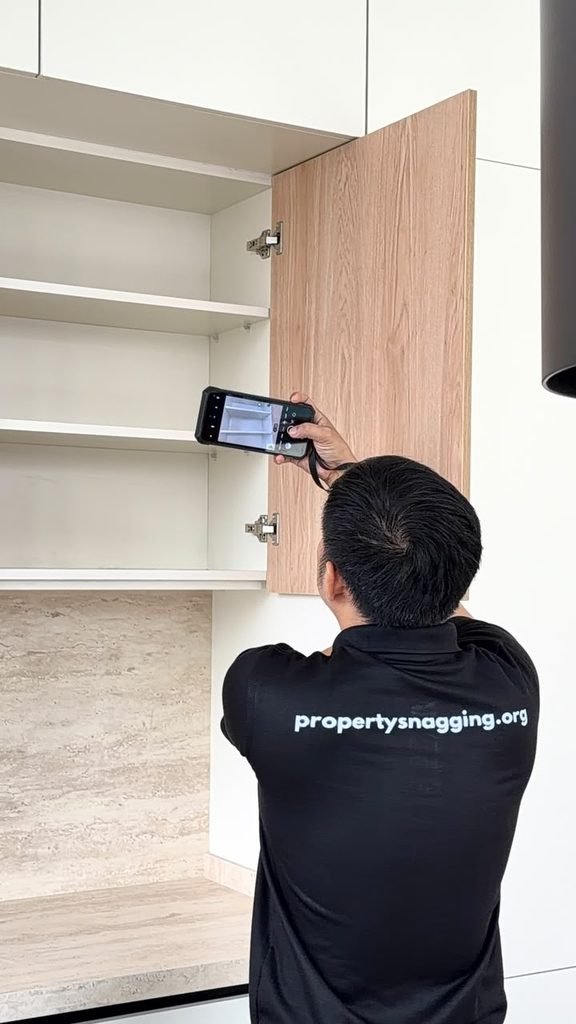
A property inspection should identify more than first impressions. Property inspections should identify more than first impressions. They should systematically review the accessible areas of the home, prioritizing the more challenging or expensive fixes.
Inspect the walls and ceilings inside the property for visible cracks, stains, paint inconsistencies, or incomplete finishing. Inspectors should check the floor tiles for damaged or inconsistent grouting, scratches, and visible unevenness. Doors, windows, wardrobes, and kitchen cabinets should open and close as intended. The fittings and hinges should be secure. Bathrooms and kitchens can have issues due to many water connections. Frequent use of the fittings and hinges increases wear. Where safe and accessible, the inspection can assess taps, drainage, toilets, and accessible pipework. It checks for signs of leakage or faulty function.
We should also examine the accessible electrical fixtures and air conditioning controls using appropriate procedures. More complex concerns may require specialist testing rather than a visual inspection.
A comprehensive report will identify locations of concerns and support each finding with photographs where useful. It will also give the responsible team a practical record to follow-up on the relevant corrections.
Why Choosing a Snagging Company in Dubai Matters
Dubai homeowners should note that inspection cost is not the only factor when selecting a snagging company. They should consider how the snagging process, report presentation and inspector’s communication are likely to impact their concerns.
Ask what the service includes before booking an appointment. Does the inspection consider interior finishing only or accessible exterior and installed systems as well? Will you receive a report and photographs? Are there restrictions or additional charges for specialist checks? Will the inspector return after we have repaired the reported defects?
These questions will help you get a sense of what you are paying for and if the service is right for your property.
It is also a good idea to look into the provider’s relevant experience, qualifications and sample report format. The report guides readers to the defect, states the finding, and specifies enough detail to determine the appropriate action. General observations such as “finishing issue” are less useful than observations that identify the room, component and visible problem.
The inspection process will present findings objectively and distinguish observers observations, suspicions, and items requiring inspection.
Understanding Snag Work and Corrective Repairs
While it is important to identify the defects in the new property, the next step is to share your findings with the responsible developer or contractor and go through the agreed procedure for review and correction.
The team performs snag work to fix identified defects or incomplete items. Depending on the findings, this could include adjustments to the doors, repairs to the paintwork, fitted replacement, completion of sealant, investigation of suspected leaks and other corrections. Describe each item clearly in the report so the repair team knows what to address. If the bathroom tile cracks, the report identifies the location and includes a photograph; if the window does not close properly, the report describes the observed concern instead of the problem’s cause.
Once the repair is complete, re-examine the relevant item when access and circumstances permit. We should not accept the repair simply because the surface is now a different color. You should re-examine the original concern to ensure you address it. A good documentary record will also assist the homeowner in following up any outstanding items; retain the original report, photographs, messages and records of repairs so that they can reference them if any concern remains unresolved.
Plinth Protection: AnImportant External Detail
Inspectors should not limit the handover inspection to attractive interior finishes. The surrounding ground and accessible external finishes can also assist the homeowner in getting a good idea of the condition of their new property.
Plinth protection generally refers to a protective surface or finished strip around the base of the building, where included in the design. Its purpose and construction will depend on the building specification and site conditions. Appropriate exterior finishes and drainage arrangements can assist in managing the surface water around the building.
During an inspection, the accessible areas around the building base can be examined for visible cracks, finishes or gaps, unevenness or water pooling close to the building’s external walls. The surrounding ground and visible drainage arrangements that fall within the inspection scope may also be worth considering.
Persistent water pooling or unexplained dampness around the base of the building should not be ignored. These findings cannot prove a waterproofing or foundation defect, but they should trigger an investigation.
A visual inspection cannot verify the condition of the concealed waterproofing layer, foundations or inaccessible construction elements. If concerns have been identified, a suitably qualified professional should investigate the underlying cause and recommend the appropriate corrective measures.
Including the plinth protection in the inspection discussion will remind the homeowner that the building’s exterior and its interaction with the surrounding ground conditions can be just as important as the interior finishing. When to arrange property inspection Dubai services
The appropriate timing depends on the purpose of the inspection
For a new property, arranging a handover inspection before formal handover can give you the opportunity to submit concerns through the developer’s process before accepting the property.
If you have already received the keys, an inspection can help you record the defects and establish the items that need follow-up. The reporting procedure and developer’s obligations may be different after handover, so review your documents and raise your concerns promptly. A per-purchase inspection can also be useful for an existing property. In this scenario, the inspection focus may include visible wear, signs of moisture, the condition of the fittings and apparent maintenance concerns in addition to finishing defects.
When arranging property inspection Dubai services, you should explain the property’s type, size, age and inspection purpose. This will help the provider identify how the intended scope can be applied to your property and determine if any specialist checks are appropriate.
Do not assume that every inspection includes invasive testing, concealed system certification or a guarantee that no defects exist. Clarify the scope before booking and ask how the report will explain any limitations.
Home Inspection: Looking Beyond First Impressions
A home inspection is especially useful when the buyer is concerned with the property’s appearance. New paint, modern cabinetry and attractive lighting can create a positive first impression, but it does not say much about the condition of a property.
A home inspection should give the buyer a good idea of the observable conditions. Take a little time to look around the home and see how it functions. Open the doors and windows, examine the accessible fixtures, identify signs of moisture and assess if the water drains appropriately. Take a look at the unusual smells, visible damage, loose fittings, and areas where finishing work appears incomplete. For a villa, the inspection includes a consideration of relevant external features such as the boundary walls, accessible roof or terrace areas, driveways, garden drainage, and other components that fall in the agreed scope. The specific checks will depend on the property’s design and safe accessibility. For an apartment, the shared building systems and common areas may fall out of the scope of an individual unit inspection, so ask the inspection provider to identify what will and will not be assessed to avoid surprises.
A home inspection will give the buyer a good idea of the observed conditions, not an unsubstantiated promise that the property is perfect. Where an issue may be suspected to involve concealed plumbing, structural movement, waterproofing or electrical safety, a specialist evaluation may be required.
How to Prepare For Your Handover Inspection
A little preparation can make the inspection more productive. Before the appointment, review the property specifications and any handover information provided by the developer. Make a note of features or fittings that were promised as part of the purchase and check that the installed items are consistent with the agreed details. Arrange access to the areas that need to be inspected and confirm that electricity and water will be available for appropriate functional checks. If you have already noticed a concern during an earlier visit, tell the inspector so that it can be reviewed.
During the inspection, allow enough time for a thorough assessment rather than hurrying to complete the process. Ask how the defects will be recorded and when you can expect the report. Ask what the appropriate steps are to submit the findings.
Once you receive the report, review the descriptions and photographs carefully. Share the relevant findings through the appropriate channel and keep a record of the responses and repairs. If a defect remains unresolved, follow-up in writing and request clarifications about the next steps.
Make Handover a More Informed Decision
A property should be assessed on more than its appearance. From the interior finishing and accessible building systems to the exterior drainage and plinth protection, a systematic inspection can help the buyer identify concerns that might otherwise go unnoticed. Choosing an experienced snagging company in Dubai, understanding the scope of the inspection and keeping clear records can make the process more approachable. Good snagging work also requires effective follow-up since the identified issues need to be communicated and re-examined after the corrective work has been completed.
Whether the buyer is arranging property inspection Dubai services for a new apartment, a villa or an existing home, it is important to approach the process with realistic expectations. A systematic inspection will not guarantee a defect-free property, but it will provide a good idea about the visible conditions and the appropriate next steps before moving into a new home.