
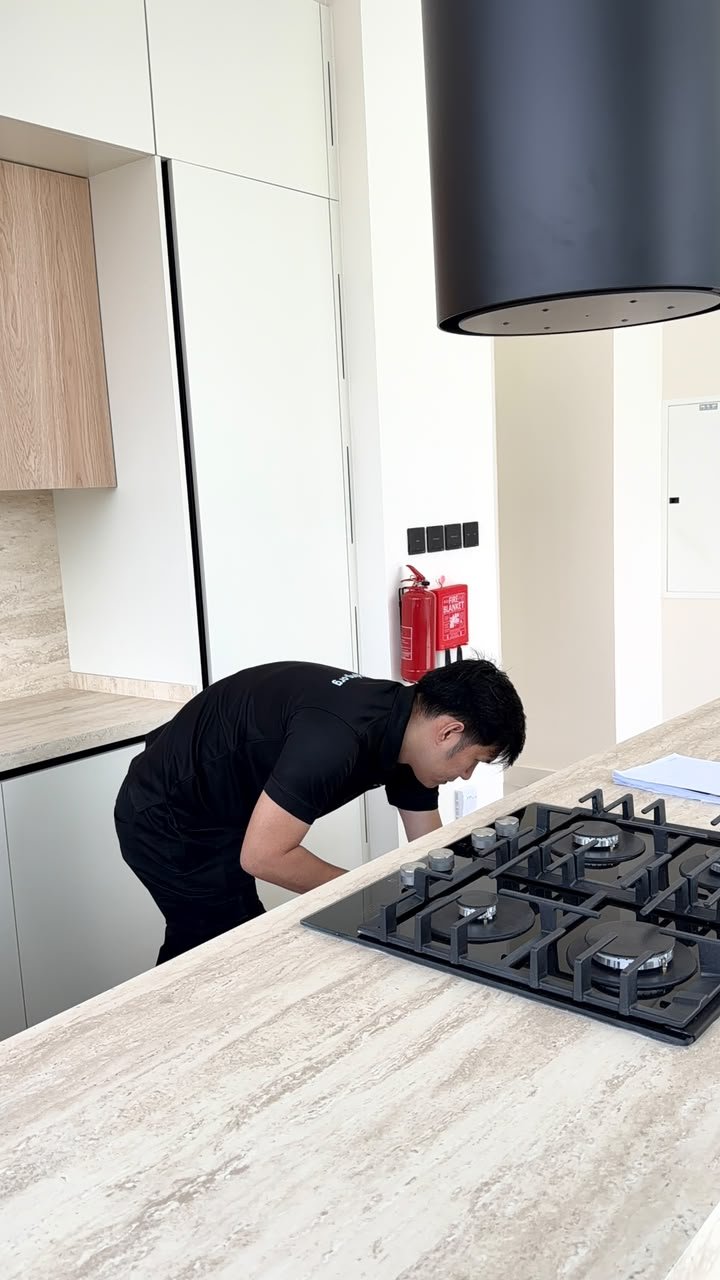
Buying a property in Dubai is a major commitment and the final inspection is just as important as the location, price negotiation and handover date. Property snagging discovers obvious defects, incomplete works, poor workmanship and functional problems before a buyer moves into a new build home. Dubai buyers can arrange a comprehensive property inspection prior to handover. It can raise issues that are easily missed during an ordinary inspection. This provides a better understanding of the property’s condition.
A smart paint job and nice interiors create an inviting living space for your new owners to move into, but can be misleading as to the actual condition of the property. Windows may not seal well. A bathroom drain may hold water. An air conditioning system may not provide the expected comfort. These are some of the issues that can be discovered after handover.
This is why a home inspection should be more than a walk through the property. It should methodically inspect areas that are accessible, thoroughly record any defects and distinguish between cosmetic problems and those that may require technical investigation. For buyers, investors and owners in Dubai, learning more about the process can make the property handover a smoother transition.
What Does Property Snagging Require?
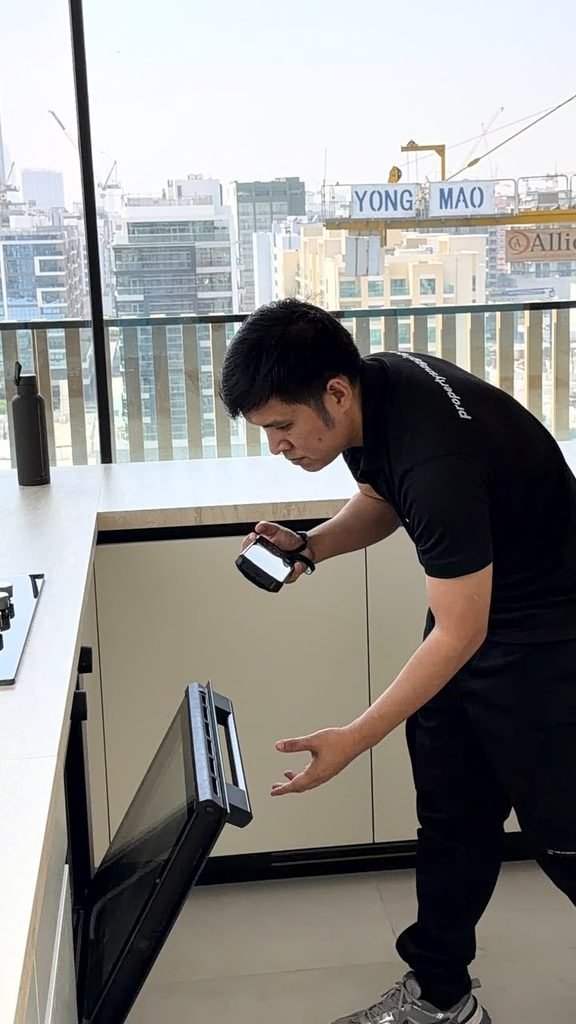
Snagging is the process of inspecting a property for defects, incomplete works and installation or finishing problems. It is common for this to be carried out before or around the handover however, a suitable inspection can also provide benefits after renovation works or if concerns arise in a property already occupied.
The purpose of property snagging is not to find fault with every detail, but to establish if the accessible finishes, fittings and systems have been completed as expected. Findings will be reported so that the responsible developer, contractor or property representative can address and take appropriate action.
A typical inspection covers walls, ceilings, flooring, doors, windows, kitchen cabinets, bathroom fittings, plumbing, electrical fixtures, and air conditioning. Depending on the property and inspection scope, it may also cover accessible external areas, balconies, visible drainage points and signs of moisture.
The scope is important as no two properties are the same. An apartment inspection will focus on windows, shared-wall finishes, bathrooms and built-in fittings, whilst a villa inspection may also cover additional external areas, boundary walls, terraces and other features.
Why a Property Inspection in Dubai Needs a Systematic Approach
Dubai’s residential market comprises a mix of apartments, townhouses, villas and properties at different stages of construction and refurbishment. Their size, design and installed systems vary so an effective inspection should be tailored to the property rather than using a one-size-fits-all approach.
During a property inspection, the inspector should systematically work through the accessible areas rather than relying on a general impression. A consistent approach reduces the risk of overlooking defects in more obvious locations, such as inside Cupboards, around door frames, under accessible Sinks and near window seals.
Choose a bathroom that looks perfectly finished. The tiles may be pleasing and the fittings may match the agreed design, but water may drain slowly or a sealant joint may be incomplete. Similarly, a bedroom may look ready for use whilst a window handle is loose or the air conditioning control fails to respond.
A structured inspection takes into account the appearance, as well as the basic function. If visual checks or routine operation cannot confirm a concern, the report should note the observation and advise further assessment. This is more reliable than assuming the cause of a defect.
What Inspectors Look for Inside a Property
The most useful inspection starts with the visible condition of the property and works through the accessible fixtures and systems. The inspector highlights areas buyers may miss if they focus on the design.
Walls, ceilings and finishing quality
Inspectors look for uneven paint, visible cracks, chipped corners, stains, damaged plaster and poorly finished joints. Inspectors should pay particular attention to windows, doors, ceiling edges, and areas where different materials meet.
A small cosmetic mark will require a different course of action than recurring moisture staining or unusual cracking. Photographs and precise location notes will distinguish the observations and make them easier to follow.
Doors, windows and joinery
Fitting handles, locks, hinges, and frames correctly helps installers ensure doors operate smoothly. We will check the windows to ensure they operate as intended, paying attention to visible seals, glass damage, frame alignment, and closing mechanisms.
Inspect built-in wardrobes and kitchen cabinets. You may not notice drawers that stick, misaligned doors, surface damage, or loose fittings until you use the property regularly.
Flooring and tiled surfaces
Check the flooring for chips, cracks, scratches, damaged edges, uneven transitions, and incomplete skirting. In tiled areas, you should pay attention to visible grout defects and damaged tiles.
Where the inspection scope permits, an inspector may take the necessary steps to investigate a suspicious area. Inspectors should report findings accurately and not state that a hidden condition has been verified.
Plumbing and bathrooms
Inspectors can verify that accessible taps, drains, toilets, shower fittings, and visible pipe connections operate normally and show signs of leakage. Inspectors may also look for incomplete sealant, cracked tiles, moisture marks, and water that is not draining as expected.
We should record a visible stain or damp odor, because the cause may require additional testing. This distinction ensures the inspection report is useful and technically responsible.
Electrical fixtures and air conditioning
Qualified technicians may assess normal switches, lights, and accessible controls when safety allows. Note any visible damage, loose fittings, or equipment that does not respond as expected.
Air conditioning is particularly important in Dubai. The inspection may include checking if the system starts, if air comes from the expected vents, and if there are unusual noises or signs of moisture around accessible equipment. Specialists can perform tests to gauge performance or inspect concealed components.
Inspectors should not open or handle electrical panels, exposed wiring, or potentially hazardous equipment during an ordinary inspection.
How Snagging Tools Help to Identify Defects
Professional inspectors may use a variety of snagging tools to check different surfaces and accessible components. The property, the inspection scope, and the concern being investigated decide which equipment to use.
A strong torch or inspection light can reveal scratches, uneven surfaces, gaps, and markings in areas with limited natural light. A tape measure records the visible issue’s dimensions, and a spirit level checks suspected alignment differences.
During dampness investigations, technicians interpret moisture readings in context. A moisture reading alone will not prove the source of a leak or confirm the condition of concealed waterproofing.
Other equipment enables qualified personnel to assess accessible electrical points or investigate specific concerns. Experts with suitable qualifications conduct testing using appropriate methods. Tools are not a substitute for experience, careful observation, and a clear understanding of the limits of the inspection.
The important point is that snagging tools support the inspection. Snagging tools aid information gathering, while the team should document the findings accurately and interpret them responsibly.
What Makes a Useful Snagging Report?
A report is only useful if another person can understand the defect and locate it without confusing detail. General comments or descriptions such as “poorly finishing” or “bathroom issue” will not explain what needs attention.
A useful report will identify the room, location, visual condition, and behavior where relevant. Supporting photographs should show the immediately visible defect, as well as enough surrounding detail to establish the location.
For example, “the sealant is incomplete along the lower edge of the shower screen beside the bathroom entrance” is more actionable than “sealant problem.” It describes the observation without claiming to know what lies beneath the defect.
The evaluator should describe the findings proportionately. A scratched cabinet door, a leaking tap, and a potentially unsafe electrical fitting will not have the same implications. The report should communicate the nature of each concern and flag issues that warrant a professional inspection.
After the inspection, the owner can submit the findings through the developer’s or responsible party’s reporting process. The contractor completes the repairs, and a follow-up visit confirms whether the listed items have been addressed.
When Should You Arrange a Home Inspection?
For a newly built property, the period before handover is often a good opportunity to look at the home whilst it is empty and accessible. Buyers should review the developer’s handover arrangements and allow enough time to document concerns using the applicable process.
A home inspection can also be beneficial after renovation work, before moving into a previously occupied property, or when visible defects and functional problems arise. The purpose and extent of the inspection should be appropriate for the circumstances.
If you have handed over the property, you must not assume it’s too late to report an issue. Document the concern, keep supportive evidence, and check the applicable contractual or reporting procedure. Responsibilities and available remedies will depend on the circumstances so it is sensible to seek qualified advice where a significant dispute arises.
The inspection cannot guarantee that the inspector has identified every concealed defect. Its value lies in the observations made within the scope of the inspection and the clarity of the report provided to the property owner.
How to Choose a Property Snagging Company
Choosing a property snagging company is not a matter of comparing prices or counting advertised services. Buyers should understand what the inspection covers, who will carry it out, and what they will receive.
Ask which systems it tests, if the report includes photographs and location information, and whether it inspects your property type. It is also useful to ask about the exclusions, specialist equipment, inspection duration, and the availability of a follow-up inspection after repairs.
A reliable snagging company should explain the limits of its work as clearly as its services. It should not suggest that a standard visual inspection certifies every concealed system or guarantees that a property has no defects.
When comparing providers, look at the relevant inspection experience, communication, organized reporting process and examples of documentation. When comparing providers, consider reviews as useful context alongside the actual scope and quality of service.
What Should You Consider When Looking for the Best Snagging Company?
The best snagging company for one property may not be the best choice for another. An apartment buyer may need a detailed review of internal finishes, bathrooms, windows, and air conditioning, whilst a villa owner may require a broader coverage of external areas and additional installed systems.
Rather than looking at a marketing claim, compare providers against your requirements. Confirm that the inspection scope is suitable for the property, the report is clear, the inspector explains any limitations, and there is a practical process for discussing the findings.
A very low quote may not include the same areas or reporting as another service. Ask for a breakdown before making a decision, so that you can compare like with like.
For owners searching online for a snagging company Dubai service, local experience and familiarity with common property types can be a consideration. However, the provider’s stated expertise, method of inspection and deliverables should also be evaluated before booking.
Common Mistakes Property Owners Should Avoid
One common mistake is to treat snagging as a quick visual walk through the property. Attractive interiors can be a distraction for buyers, so each room should be systematically inspected.
Another mistake is to fail to record a written observation. Photographs without location information may be difficult to interpret later, whilst vague descriptions delay rectification. Record each concern when you find it and keep copies of reports and relevant letters.
Owners should also avoid assuming that every defect is merely cosmetic. A small stain may have an easy explanation, but it can also indicate a concern that needs investigation. Equally, not every mark indicates a serious problem. Accurate observation and proportionate follow-up is more useful than speculation.
Finally, do not attempt technical tests that could place you or the property at risk. Electrical hazards, suspected structural problems, concealed leaks, and complex system faults may require specialist assessment.
Make a Better-Informed Property Decision
A new property should be judged on more than its appearance. Finishing quality, the operation of accessible fixtures, signs of moisture, and condition of installed systems contribute to determining if a home is suitable for everyday use.
Property snagging allows for a structured approach to identifying and recording concerns whilst a thorough property inspection helps buyers understand what can be observed and what may require investigation. The right process also makes them easier to communicate with the developer or relevant party, and to check that reported defects have been addressed.
Whether preparing for handover, reviewing a recently renovated home, or comparing inspection providers, focus on the quality of the inspection rather than promises of a perfect result. A clear scope, reliable documentation, appropriate tools and honest reporting can make a positive impact on your property in Dubai.