
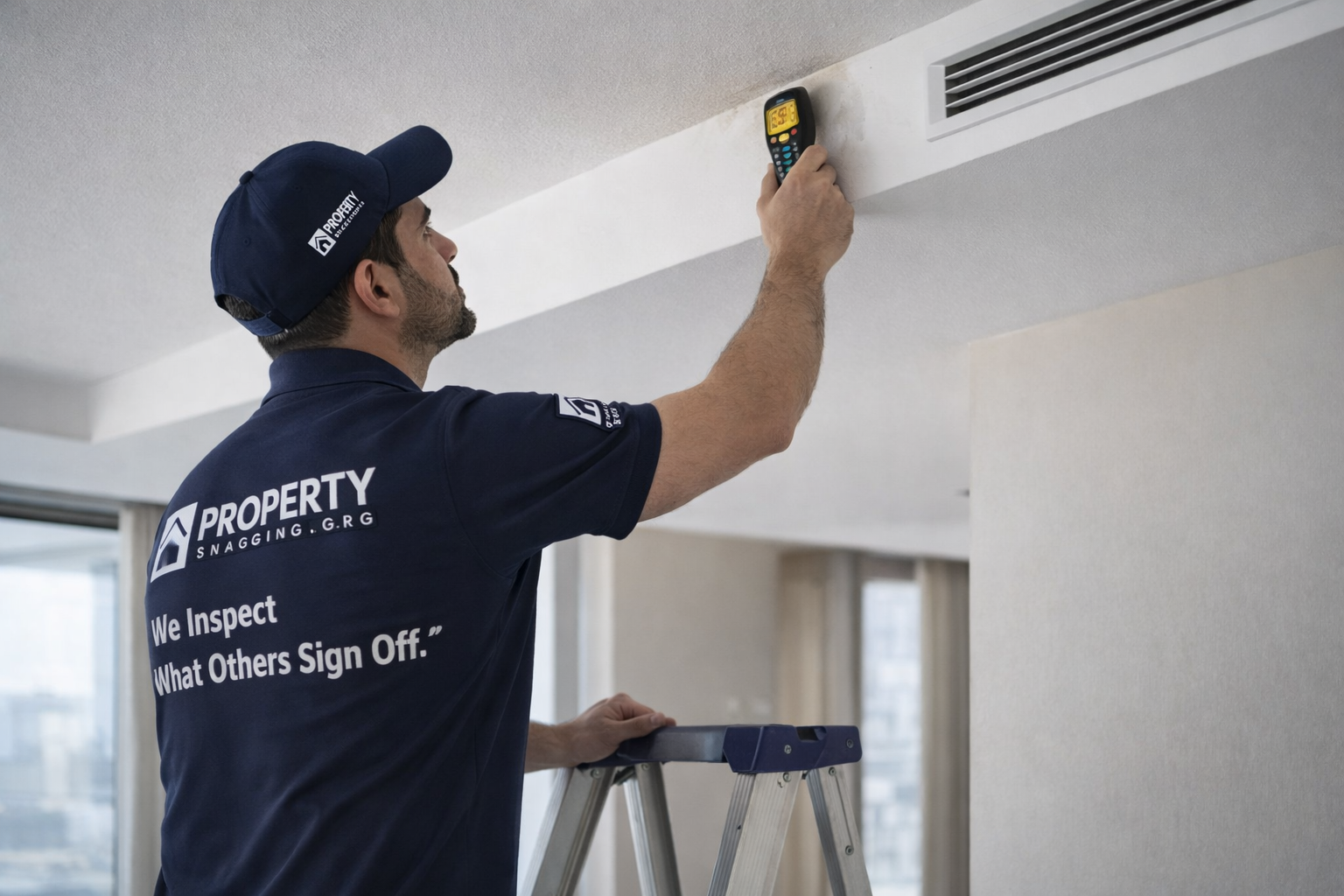
Buying a property in Dubai is a significant investment. Whether it is your first apartment, a family villa, or an investment property, you want the home you receive to match what you paid for.
This is where property snagging can make a real difference.
A property can seem flawless during a viewing yet still contain issues that are hard to spot initially. A door might not shut properly, tiles could be uneven, a bathroom may suffer from drainage problems, or an air-conditioning system might fail to work as it should. Certain defects are only cosmetic, but others can turn costly when they are not addressed.
A professional inspection gives you an opportunity to find these issues before they turn into bigger problems.
But with many companies offering inspection services in Dubai, how do you decide which is the best property snagging company for your needs?
The answer is not simply the company with the biggest advertisement or the lowest price. You need to look at the quality of the inspection, the experience of the inspectors, the reporting process, and what you actually receive for your money.
What Does a Property Snagging Company Do?
A property snagging company inspects a property to identify defects, incomplete work, poor workmanship, and functional problems.
The inspection normally covers the accessible areas of the property and can include:
- Walls and ceilings
- Floors and tiles
- Doors and windows
- Kitchens and cabinets
- Bathrooms
- Plumbing fixtures
- Electrical points and lighting
- Air-conditioning
- Built-in wardrobes
- Balconies and terraces
- External areas where applicable
- Other visible finishes and fittings
The findings are then documented in a snagging report, usually with photographs and descriptions of the defects.
This report can be shared with the developer, contractor, landlord, seller, or maintenance team so that the issues can be addressed.
Why Should You Hire a Snagging Company Instead of Checking the Property Yourself?
There is nothing wrong with walking through your property yourself. In fact, you should do it.
The problem is that most homeowners do not inspect properties every day.
When you enter a new apartment or villa, it is natural to focus on how the property looks. You may notice a scratch on the floor but overlook poor drainage, an incorrectly fitted cabinet, a window seal problem, or an issue with the air-conditioning.
A professional snagging company approaches the inspection differently. Instead of simply looking around, the inspector follows a structured process and checks different parts of the property systematically.
That extra attention can uncover issues that a normal viewing may miss.
What Should You Look for in the Best Property Snagging Company?
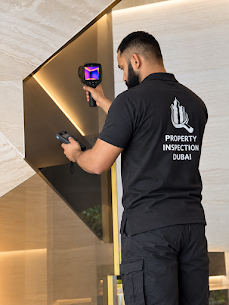
There is no universal company that will be the best choice for every property owner. However, a reliable inspection provider should have several important qualities.
1. Experienced Inspectors
Experience matters because property defects are not always obvious.
An experienced inspector understands common construction and finishing problems and knows which areas deserve closer attention.
Ask about the qualifications and practical experience of the person who will actually inspect your property not just the credentials of the company.
2. A Detailed Inspection Scope
Before booking, ask what the inspection includes.
A professional service should explain which areas and systems will be checked rather than simply promising a “complete inspection.”
For example, will the inspector check plumbing fixtures? Doors and windows? Kitchen cabinets? AC performance? Electrical points? Balconies? External areas?
The answer should be clear before you pay.
3. A Useful, Easy-to-Read Report
Finding defects is only half the job.
The report needs to communicate those defects clearly.
A useful report should ideally include photographs, descriptions, locations, and enough information for the developer or contractor to understand what needs attention.
At PropertySnagging.org, the company states that its reports are designed to be developer-ready, with defects documented by location and photographs, and organized by areas such as civil, MEP, and finishes.
4. Appropriate Inspection Equipment
Some defects are easier to identify with specialist equipment.
Depending on the inspection, professional companies may use tools such as moisture meters, thermal imaging cameras, electrical testing equipment, levels, and other measuring devices.
Equipment is not a substitute for an experienced inspector, but it can help investigate problems that may not be visible during a basic walk through.
5. Clear Pricing
Price is obviously important, but the cheapest inspection is not automatically the best value.
Before comparing quotes, check what is included.
Two companies may offer different prices because their inspection scope, report format, inspection time, equipment, or follow-up service is different.
A clear quotation should tell you what you are paying for and whether there are additional charges.
What Can a Professional Snagging Inspection Find?
The number of issues found can vary greatly from one property to another.
Some properties may have only a handful of minor defects, while others can have a much longer list.
Common examples include:
Finishing Problems
These may include uneven paintwork, visible cracks, poor sealant, damaged surfaces, incomplete grouting, or poorly finished corners.
Flooring and Tile Issues
Inspectors may identify damaged tiles, uneven surfaces, poor alignment, hollow-sounding areas where relevant, gaps, or unfinished edges.
Doors and Windows
A door that sticks, a loose handle, poor alignment, damaged frame, or window that does not operate properly should not be ignored.
Plumbing and Drainage
Leaks, poor drainage, low water pressure, damaged fittings, and sealant problems can become particularly troublesome if they are discovered after you have already moved in.
Electrical Fixtures
Accessible sockets, switches, lights, and other fixtures can be checked for visible defects and basic operation within the inspection scope.
Air Conditioning
In Dubai, AC performance is particularly important. An inspection can check accessible components and whether the system appears to be operating correctly.
When Is the Best Time to Arrange Property Snagging?
For a newly built property, it is generally best to arrange the inspection before final handover or at the handover stage.
The reason is straightforward: you want defects documented while there is still an opportunity to ask the responsible party to correct them.
A professional snagging inspection can also be useful for:
- Newly purchased resale properties
- Properties after renovation
- Defect Liability Period inspections
- Investment properties
- Rental properties
- Per-move-in checks
The right timing depends on the property and your reason for having it inspected.
Don’t Judge a Snagging Company Only by the Number of Defects It Finds
It can be tempting to compare companies by asking, “How many snags will you find?”
That is not necessarily the best way to judge an inspection.
One inspector might produce a very long list containing numerous tiny cosmetic observations. Another might produce a shorter report but identify several important functional or installation problems.
The quality of the findings matters more than simply having a large number.
A good inspection should help you understand which problems require attention and give you enough evidence to discuss them with the responsible party.
How Much Does a Property Snagging Service Cost?
There is no single price for every property.
The cost can depend on factors such as:
- Property type
- Property size
- Number of rooms
- Number of floors
- Location
- Inspection scope
- Additional specialist checks
- Report requirements
An apartment will normally have different inspection requirements from a large villa.
Instead of choosing a provider based solely on the cheapest quote, compare what each company includes in its service.
What Happens After the Inspection?
Once the inspection is completed, you receive the report containing the identified defects.
The next step is normally to send the report to the developer, contractor, seller, landlord, or relevant maintenance team, depending on the situation.
The responsible party can then review the findings and arrange corrective work.
For significant inspections, a follow-up or re-inspection can also be useful after repairs have been completed. This gives you an opportunity to check whether the reported issues were actually resolved rather than simply marked as completed.
Questions to Ask Before Booking a Snagging Company in Dubai
Before choosing a provider, ask a few simple questions:
Who will inspect my property?
Find out about the inspector’s experience and qualifications.
What exactly is included?
Ask for a clear inspection scope rather than relying on a general description.
How will I receive the report?
Find out whether photographs, defect descriptions, locations, and recommendations are included.
How quickly will I receive the report?
This can be particularly important if your handover date is approaching.
Do you offer re-inspection?
If repairs are required, ask whether the company can return to verify completed work.
Are there additional charges?
A clear quotation helps prevent unpleasant surprises later.
Why Local Dubai Experience Matters
Dubai’s property market is diverse. A high-rise apartment in Business Bay is very different from a villa in Dubai Hills, Arabian Ranches, or another residential community.
An inspection company with experience in Dubai properties is more likely to understand the types of finishes, fixtures, systems, and handover situations commonly encountered in the local market.
That local experience can be particularly useful when preparing a report that needs to be understood by a developer or contractor.
Is the Most Expensive Company Always the Best?
Not necessarily.
Likewise, the cheapest option is not necessarily poor.
The better approach is to compare value.
Look at the inspector’s experience, inspection scope, equipment, report quality, turnaround time, customer support, and any follow-up service.
A slightly higher inspection fee can be worthwhile if it gives you a significantly more useful report and helps identify defects that would otherwise cost much more to repair later.
Choosing the Best Snagging Company for Your Property
If you are searching for the best snagging company in Dubai, start by thinking about what you actually need.
For a small apartment, you may need a focused inspection covering the interior, fixtures, plumbing, electrical systems, AC, kitchen, and bathrooms.
For a large villa, the inspection may need to cover additional floors, outdoor areas, terraces, garages, drainage, and other features.
Your property should determine the inspection—not the other way around.
To Sum up
Choosing a property snagging company is about more than finding someone who can walk through your home with a checklist.
You are paying for experience, attention to detail, documentation, and useful information that can help you make better decisions about your property.
If you are looking for a snagging company Dubai homeowners can rely on, compare providers carefully. Look at their inspection process, report quality, qualifications, equipment, pricing, and after-inspection support.
The goal should not simply be to find the longest possible list of defects. It should be to identify genuine problems, document them properly, and give you a clear path toward getting them resolved.
A thorough property snagging inspection before handover can give you something that is difficult to put a price on: confidence that you know what you are accepting.
