
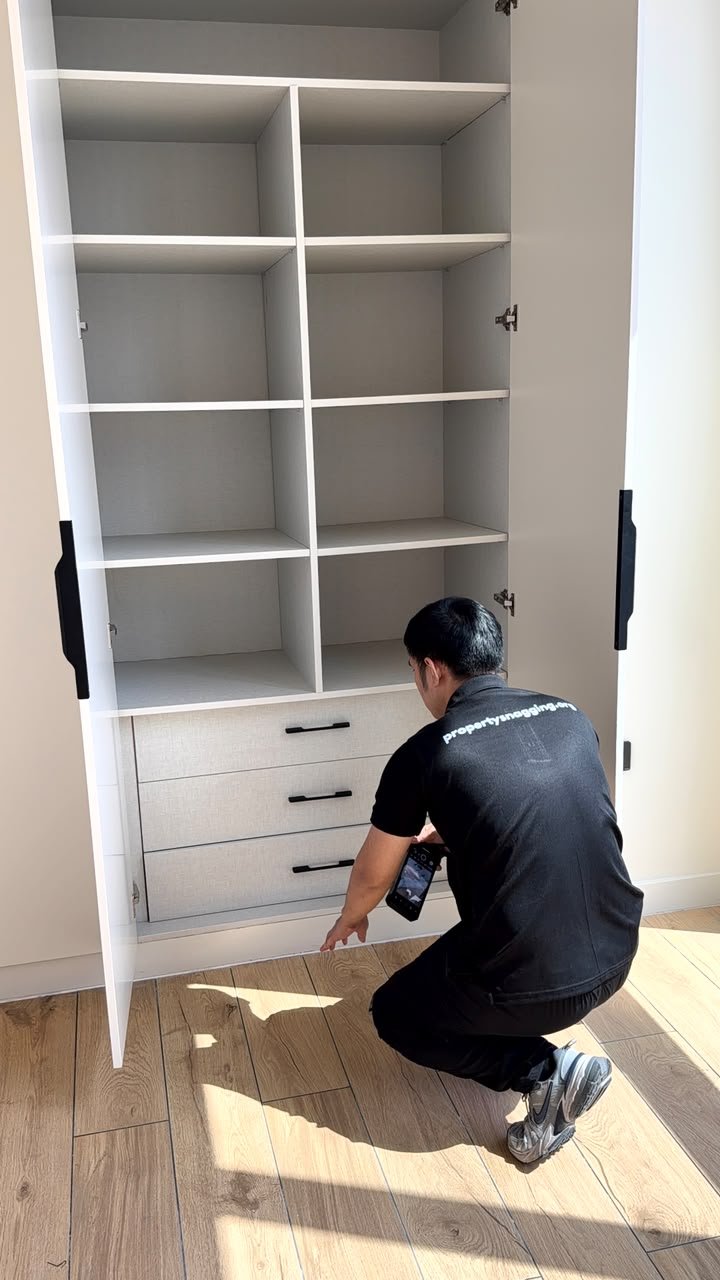
When collecting the keys to a new home it’s the end of the road for most buyers. This is the point where a quick look around the property may miss unfinished work and drainage issues. It may also overlook poorly fitted fittings, and an AC that does not cool the property efficiently. Dubai buyers can rely on independent property snagging in Dubai. A thorough check of the entire home includes an evidence-based report of all work the developer needs to address.
Whether it’s an apartment, a villa, or townhouse type, the concept remains the same. Do a room-by-room search to list all issues and hand them to the developer before possession. You don’t aim to find every imperfection, but you should raise the important ones and have the developer address them while the developer remains responsible.
Why a Handover Checklist Matters
On the day of handover, a sense of celebration can set in after months of searching and completing the purchase. Most buyers will also want to obtain their keys, familiarize themselves with the layout and imagine how the furnishings will fill the empty space. This makes it easy to overlook a defect that will cause endless annoyance.
However, a proper inspection allows you to assess the finishing works’ quality and spot problems before you move in. Open and close all doors, and lift the tiles to confirm you fixed them firmly. Run the taps to check the water pressure, and make sure the drain doesn’t back up. Switch on and off the air conditioning and note any unusual sounds.
Look out for signs of water seepage, superficial damage, missing fittings and the presence of unfinished works. If you’re in a situation where you need more detail than you can provide, hire an independent professional to assist. When you’re comparing snagging companies in Dubai, make sure to ask what the report covers, what the report format looks like and if it includes images and tools. You’ll want to ask these questions before choosing any provider.
A report details the defects you identified on the property. It doesn’t guarantee that the developer will complete the necessary works. Double-check the defect management process and the contract to ensure you officially submit and follow the report.
Start With the Big Picture
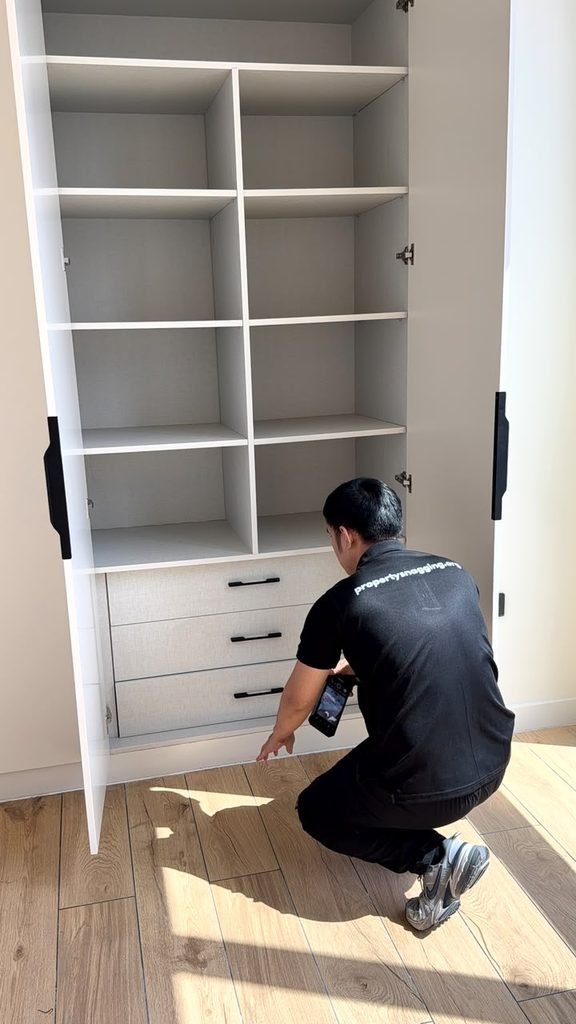
Before diving into the small issues, take a walk around the entire property. Look around each room and compare it with the specification and handover document. If anything seems to miss, record it as an issue. Some defects to look out for are:
• Unfinished works, missing accessories, and damaged surfaces
• Non-conforming works and fittings
The installer fits doors, cupboards, and sanitary fittings.
• Painted, stained, pitted, cornered and faulty walls and ceilings
• Any cracks and unevenly joined edges
You should pay extra attention to the walls and ceilings. Check for irregularly painted marks, stains, pitted angles, cracks and rough edges. You should also look out for cracks and unevenly joined edges.
As you inspect each room, ensure the windows stay intact and that the glass is not scratched or broken. Check the handles, alignment and seals and try operating the windows. If you spot gaps in the frames or signs of water getting in, take photographs to record the defects.
The same goes for the doors. All internal doors should open freely, latch and have stable handles and hinges. Skirting boards should also have no gaps, chips, loose sections or messy corners. For the floors and joinery, look out for cracked tiles, uneven grouting, uneven edges and inconsistent levels. You can try tapping tiles to check for hollow sounds.
During floor inspections, check cracks, tiles that are misaligned, and grout that is not proper. Wooden skirting boards with cracks or splits indicate serious structural issues with the walls.
Floors, Doors and Windows
While floors and joinery affect the aesthetics in your home, the quality of doors and windows influences how comfortable the house is. In every room you inspect, look for cracked tiles, unevenly grouted edges, edges that have not been finished and uneven levels. You should tap tiles lightly and note if they sound hollow.
Skirting boards should also have no gaps, chips, loose sections or messy corners. All internal doors should open freely, latch and have stable handles and hinges. For windows, look out for scratches, broken or cracked glass, faulty handles, misalignment and poor seals. Try operating the windows and photograph any visible gaps in the frames or signs of water getting in.
These details may look unimportant, but once your furniture and belongings have filled the room, fixing them becomes a challenge.
Plumbing, Bathrooms and Kitchen
Water issues deserve special attention because a leak that goes unnoticed can cause severe damage to your house’s finishes and fittings.
In the kitchen, check the worktop, cabinets, sink, taps, and any sealant. Open every drawer and cupboard, and if the water supply is on and safe, run the taps and check if the sink drains properly. You should look under the sink for leaking pipes that are easily accessible.
In the bathrooms, check the tiles, shower screens, sanitary fittings and the sealant around the basins and showers. Flush the toilet and run the taps to look out for slow drains, faulty connections, unusual moisture and damaged accessories.
A simple visual inspection can’t assess the pipes’ or other waterproofing fittings’ condition. If you spot unusual dampness, repeated staining or a visible leak, request a detailed investigation instead of treating it as a cosmetic defect.
Electrical Systems and AC
Lights, switches and the air conditioning are among the first things to test out in a new home. Make sure to test them out using the controls provided, and in safe conditions. Look out for cracked switches, faulty connections and lights that aren’t working. Avoid testing out the electrical systems by opening switches, removing socket covers or wiring during a handover inspection. If you spot something that looks unsafe, leave it to a professional.
The air conditioning is especially important in the sweltering heat of the Middle East. Turn it on to check if the air is coming out of the right vents. Listen out for strange sounds, and note if there are smells, reduced cooling or moisture around the visible equipment.
A simple handover inspection can’t ensure that the air conditioning system is in good condition. If you’re concerned about the power of its cooling system or spot a defect in the drainage, the issue would require closer inspection by a qualified technician or the developer.
Plinth Protection and Exterior Finishes
While most buyers focus on the interior, those purchasing a villa or a townhouse should also look at the external finishing works and drainage.
One feature worth closer inspection is plinth protection. Depending on the design, it can be a protective strip or a paved area that runs along the base of the building. Its primary function is usually to channel the water running down the surface of the building away from the building’s ground level and protect it from moisture and damage.
Look at the base of the building and the paving around it. Note any cracks, uneven or damaged paving, unfinished joints or gaps between paves and the base of the building. Check for areas of water accumulation after rain or cleaning.
You should also inspect the accessible external walls for cracks, peeling paint, stains and faulty sealant. If your handover document or specification describes a pave or protective strip at the base of the building, compare what you see with what is stated.
Don’t judge plinth protection on its aesthetic value. Its drainage and waterproofing qualities and the ground levels it protects depend on its design and the condition of the land. If you spot water accumulation around the base of the building or have concerns about the drainage, make a note and request a technical review.
Villa vs. Townhouse Inspections
The main difference between a villa and a townhouse lies in the layout and the ownership of the land on which the home sits. Both require similar levels of internal inspection, but an appraisal of the external works and finishes is more involved for a villa.
A villa offers greater private outdoor space, such as a garden, a driveway, boundary walls or a pool. The inspection scope may also extend to the accessible roof areas, external plumbing and lighting, and drainage around the building. A townhouse might share a boundary wall with a neighbor and have less private outdoor space.
Look at the visible external doors, the shared wall junction if you can access it, drainage and any areas that belong to your unit. So while the property type determines the scope, the inspection should be based on the design and the ownership boundaries, not assumptions. With either property, concerns about structural displacement, waterproofing or shared building elements should be a reason to seek a specialist’s opinion.
What a Good Inspection Report Includes
A good report should be clear enough that someone who wasn’t present can find and understand each defect. Stating a ‘defect in the bathroom’ gives a contractor nothing to work with, but ‘the bedroom window handle is loose’ does.
For each item, include the room or outdoor location, a specific description and, if possible, take photographs. A report that’s well organized into sections can make it easier to address the defects. You can group them by finishes, plumbing, electrical systems, AC, joinery and any external works. You can also mark priorities, with safety-related issues taking precedence.
When you’re booking a service for property inspection Dubai, always make sure the scope is clear. You’ll also want to ask if inaccessible areas are included, and if they’re conducting functional tests or a visual inspection. You can ask about specialist equipment and follow-up procedures for the reported defects. All providers are different, so you’ll want answers to these questions before committing.
Make sure to keep a copy of the report, and all correspondence with the developer, to prove that you have reported the defect and when it was reported.
When to Bring in a Professional
While you can spot some defects easily, many buyers opt for a professional inspection to get a more thorough look, particularly with larger properties, multiple bathrooms or homes with multiple systems.
When you’re comparing providers, make sure to ask what their qualifications are, the scope of coverage, the tests they conduct, any report format and follow-up procedures. A faster inspection is not always an advantage because the time spent affects the level of detail in the report.
Choose a provider that’s suitable for your property type and willing to discuss your concerns. An inspection can highlight the visible defects and flag areas that require more testing, but no one can guarantee that a visual inspection will find every hidden defect.
Timing is also a consideration. You’ll want to book a time for the inspection early enough that the report can go through the developer’s process before your handover appointment, if possible. If you’ve taken possession of the property, report any new defects as soon as possible, following the procedures set out in your contract.
After the Snagging Work Is Done
Submitting the report is one thing, but when the developer states that the snagging work is completed, you’ll want to go through the report and re-inspect all the mentioned areas if possible.
You’ll want to compare what you see with the photographs and notes you took at the time of the inspection. A repainted spot should match the surrounding wall. If the leak isn’t resolved, merely replacing the faulty fitting isn’t enough. Look out for signs of moisture, and raise any technical defects appropriately.
If it’s still not right, make a note of it and resubmit the report through the developer’s process. Keep a record of the original defect and what was done about it.
This is where a good report comes in handy. The clarity it provides ensures that unresolved defects can be discussed without anyone relying on memory.
Final Thoughts
Taking possession comes with more than collecting your keys. It’s also a good opportunity to understand the condition of your new home and raise any concerns before you settle in.
A thorough inspection covers the interior finishes, doors and windows, plumbing, electrical systems, air conditioning and the relevant outdoor areas. For villas and townhouses, extra attention needs to be paid to the outdoor spaces, drainage, boundary finishes and plinth protection, where applicable.
Whether you conduct the initial property tour or hire a professional, your notes and follow-up actions will make for a more confident move. Taking a methodical approach to property snagging Dubai buyers can use offers a more detailed view of your new home and a more effective way to raise concerns with the developer.
No inspection can provide certainty that your property is free of defects, but a detailed report and follow-up actions ensure that you’ve done everything possible to get the necessary issues resolved before you move in.