
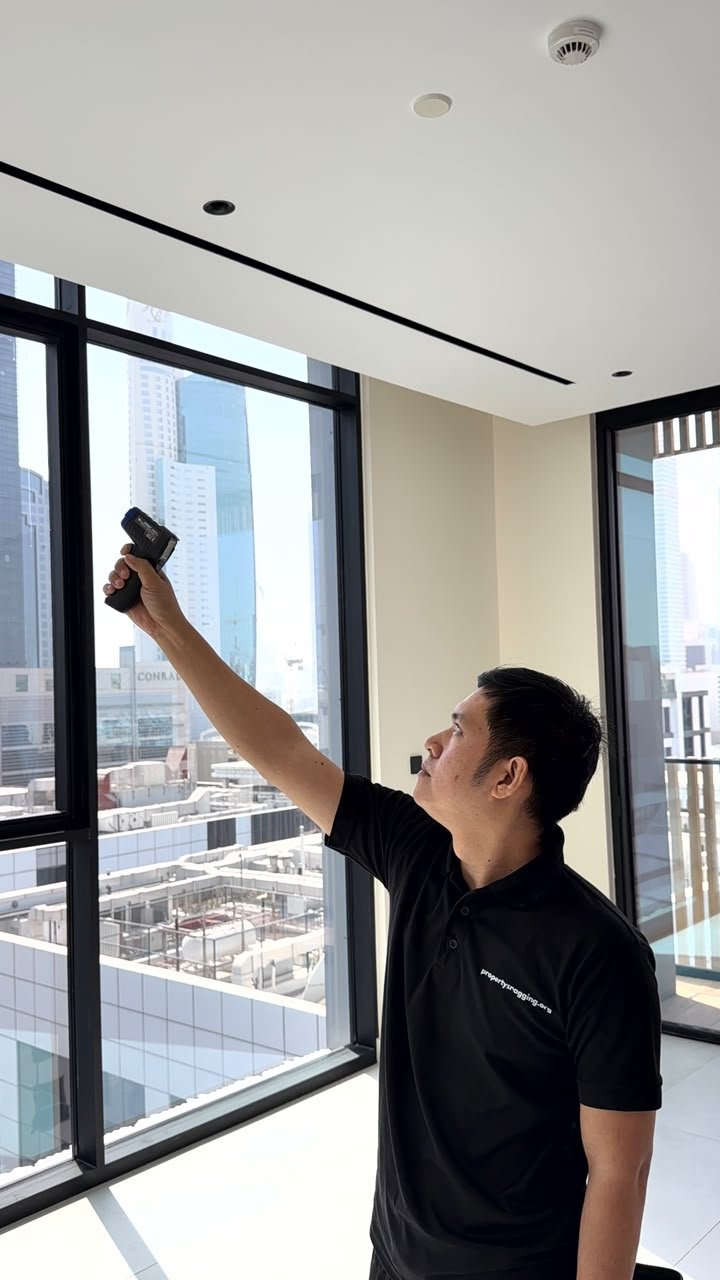
Buying a property or moving into a new home is an important step. It is not always easy to avoid disappointment from a property with small defects. Snagging lets home buyers spot defects before fixtures become permanent. It highlights unfinished work and faults in accessible fixtures and systems. In the UAE, inspections are important at a number of points during the ownership of a property. In the UAE, inspections occur at key points during property ownership. Inspections occur just before the developer hands over a newly built apartment or villa. Additionally, inspections occur when a tenant moves in or moves out and returns the property to the landlord.
Many believe they conduct an inspection before handing over the keys. We should record the property’s state whenever responsibility moves from one person to another. Record the property’s state whenever responsibility moves from one person to another.
During a new-build inspection, inspectors focus on workmanship and unfinished elements. When a tenant is moving into a property, the inspection establishes a baseline for the condition of the property. At move-out, an inspection lets both tenant and landlord assess the property’s final condition for accuracy.
Understanding the different types of defect inspections helps you choose the service you need.
What Is Property Snagging or Why Is Snagging Important?
Property Snagging is the process of examining a property for defects, incomplete work, poor workmanship and faulty fixtures.
A snagging inspection is usually done before a property is handed over. Returning the property to the landlord can also be helpful.
During a viewing, a property may seem perfect. However, small imperfections can exist in tiling, paintwork, or carpentry. Doors might not open or shut correctly, and air conditioning, ventilation, plumbing and drainage fittings may be faulty.
The inspector records the location and nature of each snag, with photographs if possible, instead of relying on observer’s memory. The snagging report provides a reference for the buyer or tenant. It helps them address the raised issues.
Snagging does not always reveal all the defects in a property, since a visual inspection can only identify some of the problems. We may need to perform testing after the inspection, or we may require specialist equipment to identify certain faults.
A thorough record of any faults helps the person commissioning the inspection. It supports making the best choice about accepting the property or planning repairs.
Handover, Handover Inspection, Handover Snagging or Snagging Inspection – What Does It All Mean?
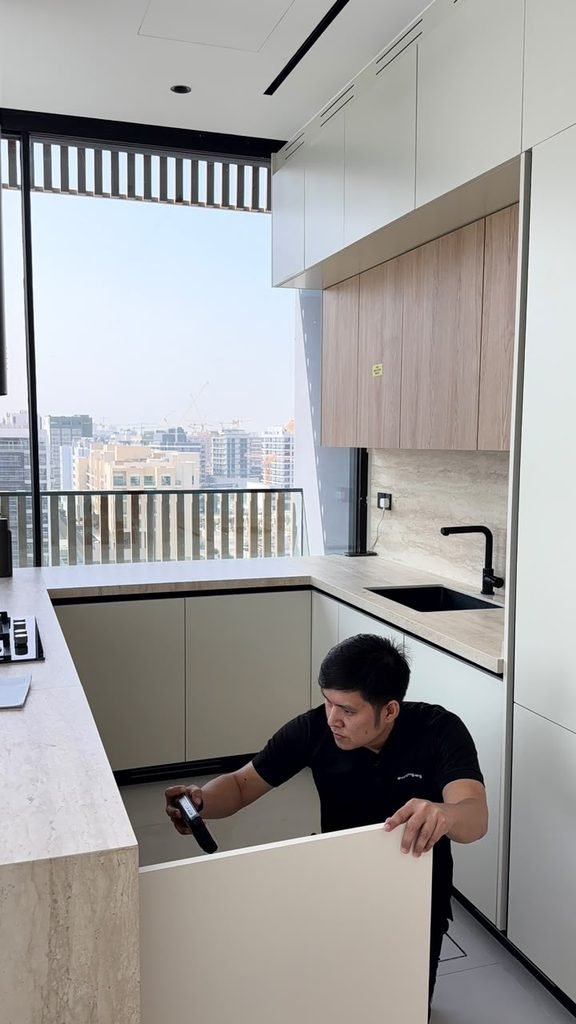
Handover is an ideal time to inspect a property. It marks when the buyer takes responsibility for it. Handover snagging centers on the workmanship and the property’s condition. The buyer must report defects and incomplete work revealed by the handover records to the developer.
The handover inspection focuses on the completed work. The handover inspection records the faults and finishes needing correction.
During the inspection, inspectors examine the walls, ceilings, floors, doors, and windows. They also review fitted wardrobes and cupboards, bathrooms, kitchens, accessible electrical fittings, and air conditioning.
As well as viewing the general condition of the property, it is worth looking more closely at individual features. Freshly painted walls may conceal finish imperfections. The same applies to bathrooms and kitchens, where newly furnished spaces can hide faulty plumbing or drainage. Open and close doors and accessible windows to check their operation. Test ordinary switches only if it is safe to do so.
A professional handover inspection provides the best information about the property. The inspector will take detailed notes during the inspection. They will usually take photographs to support the written description.
Before booking an inspection, clarify what the service includes. This helps the client understand clearly what to expect. Clarity reduces surprises after booking. The contract should confirm whether the inspector will test any of the fittings, and what the report will include. Photographs of the defects and a detailed written description are both invaluable when following up the inspection.
Once the report is complete, the client will need to follow the developer’s procedure for reporting the defects. Keep a copy of the report and any correspondence from the repair process carefully. This clearly shows exactly what we repaired.
Apartment Snagging – What Are the Most Common Issues?
A newly built or newly furnished apartment may look impressive. However, many small details are easy to overlook and can affect comfort.
Apartment snagging concentrates on the condition of the interior of the property
Examine the walls, ceilings, floors, doors, and windows for cracks and stains. Also look for scratches, chipped tiles, uneven finishing, or imperfect joints. Inspect the fitted furniture, such as wardrobes and cupboards, for any damage or faulty fittings.
We should examine the bathrooms and kitchens more closely because they involve water and drainage. Turn on the water supply, then test the taps to see if they work. Inspectors should verify that the toilet flushes properly. Inspectors should note visible signs of leaking water and examine the sealant around the fittings.
In Dubai, property owners should test the air conditioning system, as air conditioning is an important feature of any property. Check that the system responds to the controls.
The point of apartment snagging is not to find every minor imperfection. This snagging process records and corrects visible defects.
Villa Snagging – What Additional Checks Should Be Made?
A villa involves more elements than an apartment, and it may be more complex to inspect, particularly if it has more than one floor, a garden, garage, terrace or other features. This means that a villa snagging should not be based on a list of checks that apply only to an apartment.
You should inspect the same points found in an apartment inside the villa, including walls, ceilings and floors, windows and doors, fitted furniture, bathrooms, kitchens, plumbing and electrical fittings, and air conditioning.
Inspect the boundary walls, garage doors, terraces, and balconies outside for signs of damage or imperfections. Inspect accessible drainage outlets and check them for signs of water damage.
Villa snagging should cover items included with the property. It should be based on the property’s actual layout, not a generic list of checks.
The equipment included with the villa should be examined. The inspector should also examine the services included in the purchase, in line with the sale terms. The inspector should check irrigation systems and other fittings provided with the villa for faults. This check occurs within the scope of the inspection.
Although a visual inspection can identify many issues, it may not be possible to confirm the condition of some services. If the inspector notices unusual cracks or water stains, assess further. We are concerned about the integrity of an unseen wall, floor, or pipe. In that case, a specialist surveyor should be instructed to carry out a more detailed inspection.
Handover and Snagging – Are They the Same?
Handover inspection and snagging inspection are similar, but they are not the same service. Practitioners sometimes use the terms interchangeably. A snagging inspection focuses specifically on identifying defects and incomplete or incorrect workmanship.
Handover and snagging are inspections conducted when a property is handed over. A snagging inspection always includes some form of handover inspection. The report relies on the handover inspection findings.
Different inspection companies determine the exact scope of the inspection and the specific tasks they carry out. Some companies perform only a visual property inspection. Others conduct tests on the mechanical, electrical, plumbing, and air conditioning systems.
The tenant should discuss and agree on handover inspection and snagging before the inspection is booked. A tenant should talk to the landlord or property manager about scheduling the inspection in advance.
If a buyer is considering a new development, it is important to ask the developer about the process for reporting any defects, and to retain a copy of the relevant procedures.
Move In Snagging – What Can Go Wrong Before You Even Move In?
A move-in snagging for a new tenant is not quite the same as a snagging inspection for a new build. It covers similar ground. Renting a property has a different set of requirements to buying a newly built property. Move-in snagging lets a tenant inspect a property before moving in. This ensures they know what they are taking over.
A move-in inspection should record any visible damage or faults with the property. It should also note any concerns about the condition of the property fittings and furniture. The tenant should check the condition of the walls, floors, doors, and windows in each room. They should also inspect any furniture or fittings provided as part of the rental agreement. Record problems such as water leaks, faulty air conditioning, or taps that do not work.
Photographs of the condition of the property and the state of the fittings will be useful if there is a dispute at the end of the tenancy about the condition of the property.
The landlord should add a discussion of tenancy terms to the move-in inspection and outline how to report faults. The tenant should keep a copy of the report and any correspondence about the defects identified in the report.
If the tenant has agreed that the landlord will conduct certain repairs, they should keep a copy of the agreement. It is easy for the repairs to be forgotten about before the end of the tenancy.
Move Out Snagging – How Can You Check the Property Before Moving Out?
Moving out of a rented property requires as much care and attention as moving in. A move-out snagging will check the property for visible damage or faults that require repair before the landlord receives the keys. The move-in inspection conducted at the beginning of the tenancy provides the most useful starting point for the move-out inspection.
The inspector should inspect each room for damage or wear and check the windows, doors, bathrooms, and kitchens. You should also consider the condition of the furniture and any items included in the rental agreement.
General wear and tear should be taken into account, and the tenancy agreement’s terms and conditions will specify what constitutes damage and what the tenant must repair.
Photos alone cannot prove a mark or stain did not exist at tenancy start; retain the initial information and reports.
The move-out inspection helps both tenant and landlord reach a mutual agreement on repairs before the tenant returns the keys.
Snagging and Handover Inspection for New Build Properties – What’s the Difference?
We conduct both a snagging inspection and a handover inspection on a property that is being handed over. They differ in their specific aims and the procedures that are used to carry them out.
The snagging inspection will assess the property’s fittings and services for defects. The handover inspection will assess the property for visible issues that need repairs.
The snagging inspection always includes a handover inspection as part of the procedure, and it will include the handover inspection results in the snagging report.
A snagging inspection focuses on workmanship and finish. A handover inspection examines the property’s fixtures and fittings.
When you hand over a new property, discuss the process with the developer and keep a copy of the relevant procedures.
Move In Inspection and Move In Snagging – Are They the Same?
Although a move in inspection and a move in snagging are similar, they are not the same thing. A move in inspection focuses on the condition of a property at the beginning of the tenancy.
Move-in snagging identifies issues that may need correction, such as fixtures, fittings, air conditioning, plumbing, drainage, taps, windows, and doors.
Each of the rooms in the property should be examined, and the state of the furniture that was included in the rental agreement should be noted. Photograph and describe marks on the walls or damage to the furniture during the inspection.
If the end-of-tenancy dispute contends that the damage was present at the start, the move-in report will provide useful information for the landlord and tenant to rely on.
Have a conversation with the landlord or property manager to establish how to report any damage or faults that have been discovered. Keep a copy of the submitted report; it will help you deal with the landlord at end of tenancy.
What Is a Move-Out Inspection and How Does It Differ From a Snagging Inspection?
Property managers usually conduct a move-out inspection on a rental at tenancy end, making it different from a snagging inspection. At the end of the tenancy, the tenant has an obligation to return the property to the landlord in the same condition as when they moved in, so a move out inspection will usually include a comparison between the condition of the property when the tenant moved in and the condition of the property when they are moving out.
A snagging inspector usually carries out the inspection on a new property before handover to identify any defects or incomplete work that needs correcting.
While a snagging inspection and a move out inspection will both include a detailed inspection of the property, they have completely different purposes.
The move-out inspection verifies the tenant returns the property in the same condition as at move-in. The snagging inspection verifies that defects or incomplete work are corrected before handover.
Snagging Report, Inspection Report or Snagging Checklist – What Should Be Included?
A snagging report should be clear and detailed, and it should identify the problem, the location of the problem and, if possible, include photographs of the problem. Property type determines the snagging checklist, and general points from a snagging report must be included for a new build.
Noted finishing problems with the walls, ceilings and floors.
Worn surfaces and fixtures.
Doors and windows
Fixtures for plumbing drainage.
Electrical fittings and air conditioning
Any other items that were included in the terms of the inspection
The snagging inspection report should include a detailed written description of each defect, together with photographs if possible. It is always best to avoid vague descriptions such as ‘bathroom problem’, and to clearly describe the problem and the location within the property, for example ’tile chipped on shower side’.
Keep the report, photographs, and relevant documents together to simplify referring to them and following up on actions.
How to Choose the Best Inspection Service for a Property in the UAE
The inspection service that is chosen will depend on the type of property and the situation in which the inspection is being carried out. A person purchasing a villa will have different needs to a person renting an apartment.
Before choosing an inspection service, it is important to consider the situation and to ask the inspection company what the service includes. Base your choice of inspection service on the report contents. Include photographs if provided, and note which checks cover accessible systems. Also describe the follow-up process for problems found.
Choose an inspection service that can answer questions relevant to your situation and clarify concerns before the inspection takes place. It is also a good idea to find out the cost, the expected delivery date for the report, the qualifications of the inspector and the follow up procedures, if any, before booking the inspection.
Choosing an inspection service based on its stated scope will help you identify and record the relevant problems. This will ensure we follow up on the correct report, since the report describes the problems relevant to the situation.
A move in inspection and a move in snagging for tenants or landlords, a villa inspection or villa snagging, a new build inspection or a new build snagging and a new property snagging inspection all have different purposes. A good inspection service provides the right report for each situation and identifies problems to fix, leaving a clear record.
