

Buying or moving in a villa is a big deal. Once you have the villa keys, verify that everything in the villa is finished and functioning properly. This is where villa snagging becomes important. A villa may look perfect during a viewing, yet small defects can easily go unnoticed. A door might not close properly, a bathroom could have drainage problems, tiles may be uneven, or an air-conditioning unit may not perform as expected. Some issues are cosmetic, while others become expensive if you leave them unresolved. A proper inspection gives you the opportunity to identify these problems early and have them addressed before they turn into bigger headaches.
What Is Villa Snagging?
Villa snagging is a detailed inspection of a villa to identify visible defects, unfinished work, poor workmanship, damaged fittings, and functional problems.
Unlike a quick walk through, a professional snagging inspection follows a systematic process. The inspector checks each room and accessible area carefully. The inspector documents the findings for the owner, developer, contractor, landlord, or maintenance team.
Depending on the property, the inspection can cover:
- Walls and ceilings
- Floors and tiles
- Doors and windows
- Kitchens and cabinets
- Bathrooms and plumbing
- Electrical fixtures
- Air conditioning
- Wardrobes and built-in furniture
- Balconies and terraces
- Garage and accessible external areas
- Visible drainage and water-related issues
The exact inspection scope depends on the property and the service being provided, but the main objective remains the same: find problems before they become your problem.
Why Is Property Snagging Important?
Even newly constructed properties are not always completely free from defects. A large villa may involve numerous contractors, materials, fixtures, and finishing trades. With so many components coming together, minor issues can sometimes remain unnoticed until the property is occupied.
This is why property snagging can be valuable before handover or moving in.
Imagine discovering a leaking bathroom fitting after you have already moved your furniture into the property. Or finding that several windows do not seal properly when the weather changes. Dealing with these problems later can be inconvenient.
Finding them during the inspection stage gives you a better opportunity to report them and request repairs.
What Should You Check During Villa Snagging?
A villa has more space and often more features than an apartment, so it is worth taking a room-by-room approach.
Walls and Ceilings
Look for cracks, stains, uneven paint, patchy finishing, dents, and visible signs of moisture. Pay attention to corners, joints, areas around windows, and locations where different materials meet.
Floors and Tiles
Check that the tiles align properly and that you see any chips, cracks, gaps, or uneven sections. Examine wooden or other finished flooring for scratches, damage, and poor installation.
Doors and Windows
Every door should be opened and closed. Check locks, handles, hinges, frames, and alignment. Windows should also operate properly and have appropriate visible seals and fittings.
Kitchen
The inspector should check kitchen cabinets, drawers, counter tops, sinks, faucets, and installed appliances according to the inspection scope. Look for damaged surfaces, loose fittings, poor alignment, and signs of water leakage.
Bathrooms
Bathrooms deserve particular attention. Check taps, toilets, showers, sinks, drainage, visible pipework, sealant, tiles, mirrors, cabinets, and other installed fixtures.
Electrical Fixtures
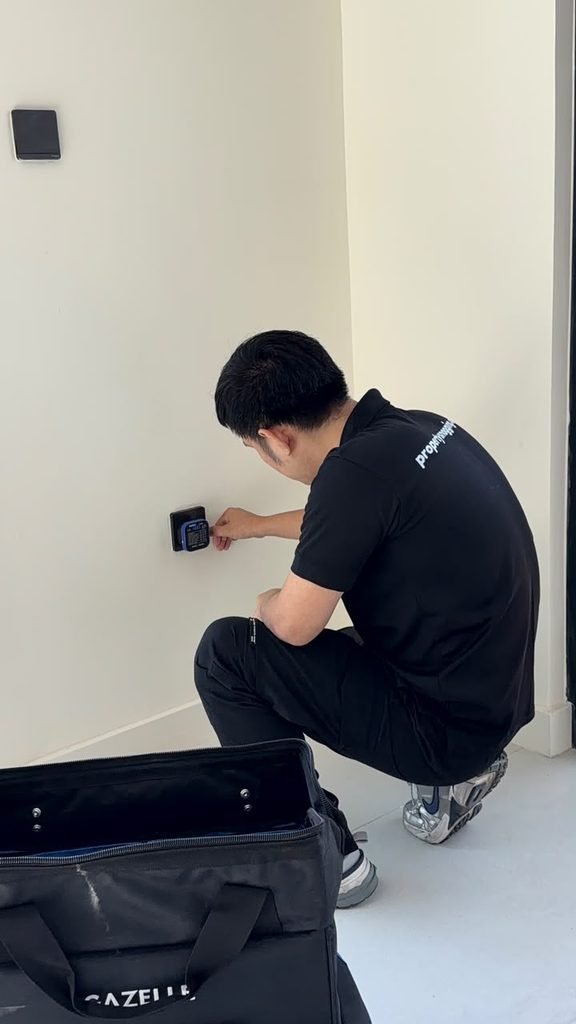
Accessible switches, sockets, lights, and other electrical fixtures can be checked for visible defects and basic operation. Any suspected electrical safety issue should be assessed by a suitably qualified professional.
Air Conditioning
Air conditioning is essential in the UAE, so it should not be overlooked. Accessible components and basic operation can be checked as part of an appropriate inspection.
Villa Snagging Is More Than Finding Cosmetic Defects
One common mistake is to think snagging is simply about finding paint marks and scratches.
Cosmetic defects matter, but functional problems can be more significant.
For example, a small crack may be harmless, while poor bathroom drainage could eventually lead to water damage. A slightly misaligned cabinet is inconvenient, but a plumbing leak hidden under a sink can become expensive if ignored.
A good inspection therefore considers both the appearance and functionality of accessible areas.
When Should You Arrange Property Snagging?
The ideal timing depends on why you are inspecting the villa.
For a newly built property, snagging is generally most useful before or around the handover stage. The snagging team documents defects while construction continues and the property moves toward handover.
If you are purchasing an existing villa, an inspection before completing the purchase can help you understand its condition.
If you are renting a property, documenting its condition before moving in can also be valuable.
Identifying issues early helps us discuss the next steps more easily.
Move In Inspection: Why It Matters
A move in inspection provides a record of the property’s condition when you take possession.
This is particularly useful for rental properties. Before unpacking everything and settling into the villa, inspect the condition of the walls, floors, doors, windows, bathrooms, kitchen, fixtures, and other relevant areas.
Capture photographs of the existing damage and document the condition clearly.
For example, if a wall already has a large mark before the tenancy begins, recording it during the move in inspection can help avoid confusion later.
The same principle applies to scratches, damaged fittings, stains, broken fixtures, and other pre-existing issues.
Move Out Inspection: What Should You Know?
The inspection process can be just as useful when you leave a property.
A move out inspection records the condition of the villa at the end of the tenancy or occupancy period. Ideally, you should compare it with the condition documented when you moved in.
The inspector may identify damage, missing items, broken fixtures, or maintenance issues that you must address before you return property.
Keeping records from both inspections creates a clearer timeline of the property’s condition.
A move out inspection is therefore not simply about checking whether a property looks clean. It is about documenting its overall condition at the end of the occupancy period.
Should You Hire a Property Snagging Company?
You can carry out a basic walk through yourself, but a large villa can contain many areas that are easy to overlook.
A professional property snagging company uses a structured inspection process and knows which areas typically require closer attention. Depending on the service, inspectors may also use suitable inspection equipment to help identify and document issues.
When comparing companies, do not look only at the price.
Consider:
- What areas are included?
- How detailed is the report?
- Are photographs provided?
- How experienced are the inspectors?
- Is the inspection suitable for villas?
- How quickly is the report delivered?
- Is a follow-up inspection available?
- Are the company’s terms and scope clearly explained?
The best snagging company for one property may not necessarily be the best choice for another. What matters is whether the service matches your property’s size, condition, and inspection requirements.
What Do Professional Snagging Services Provide?
Professional snagging services are designed to make the inspection process more systematic.
A typical service may involve:
Initial inspection: The inspector examines the property and identifies visible or accessible defects.
Documentation: Issues are recorded with descriptions and, where applicable, photographs.
Report preparation: Findings are organized into a report that can be shared with the relevant party.
Rectification: The developer, contractor, landlord, or maintenance team addresses the reported issues.
Follow-up: Where offered, a re-inspection can be arranged to check whether the reported defects have been resolved.
This process gives the property owner something more useful than a simple list of observations. The process creates a record that can be used during the repair and handover.
Choosing the Best Snagging Company
Searching for the best snagging company can produce many options, so it is worth comparing them carefully.
A company should be able to explain exactly what its inspection includes. Be cautious of vague promises and focus instead on the actual service.
Look for a provider that offers:
- Clear inspection coverage
- Experienced inspectors
- Detailed reporting
- Useful photographic evidence
- Transparent pricing
- Good communication
- Practical turnaround times
- Relevant experience with villas and UAE properties
Users should consider reviews alongside the company’s actual inspection scope and service terms.
What About a Snagging Company in Abu Dhabi?
If your property is in Abu Dhabi, you may specifically be searching for a snagging company Abu Dhabi homeowners can rely on.
The same selection principles apply. Choose a company that understands the property type being inspected and can provide a clear, detailed report.
Whether the property is in Abu Dhabi, Dubai, or another UAE location, the purpose of snagging remains the same: identify defects, document them properly, and give the relevant party an opportunity to correct them.
Property Snagging for New and Existing Villas
Homeowners notice snagging most often in newly built homes, but it can affect properties beyond new builds.
An existing villa can also benefit from an inspection when:
- A buyer is considering purchasing the property
- A tenant is moving into a rental villa
- A tenant is preparing to leave
- An owner wants to understand the current condition
- Renovation or maintenance work has recently been completed
You can adjust the inspection scope according to the reason for the inspection.
Don’t Rush the Inspection
One of the easiest ways to miss defects is to rush.
A villa contains many rooms, fixtures, and functional areas. Walking through it in 20 minutes and checking only what is immediately visible is unlikely to provide a complete picture.
Take the time to inspect systematically.
Open doors and windows. Check accessible fixtures. Look carefully at floors and walls. Pay attention to bathrooms and kitchens. Look for signs of leaks or moisture. Test basic functions where appropriate.
Most importantly, document what you find.
To Sum Up
Villa snagging is a practical step that can give property owners and occupants greater confidence before moving forward.
A detailed inspection reveals problems you might otherwise miss.
Property snagging, move in inspections, and move out inspections all serve a similar purpose: creating a clear understanding of the property’s condition at an important point in time.
If you decide to use professional snagging services, compare providers based on their inspection scope, reporting quality, experience, and communication rather than simply choosing the cheapest option.
A careful inspection today can save you considerable time, inconvenience, and expense later.
