
However, most guides tell you what snagging is. This one tells you when to do each step. Timing decides how much leverage you have with the developer, so a plan beats a checklist. Property snagging Dubai buyers rely on follows a simple pattern: inspect, report, repair, re-check. Miss a step and defects slip through. By following the plan below, you’ll enter handover knowing exactly what you’re accepting.
What Is Property Snagging?
Property snagging is a detailed inspection that finds defects, unfinished work and poor workmanship in a property. Additionally, inspectors check finishes, fittings, plumbing, electrics, AC and accessible exterior areas. Then they record every problem in a report.
Snagging work is more than a walk-around. Each issue gets a location, a description and a photo. That detail is what makes a developer act.
The Day-by-Day Handover Plan
Weeks before handover: Get organized
Then, your developer will announce a handover window. As soon as you hear, do three things.
- Collect your sale documents, floor plans and specifications.
- Confirm the handover date and the defect-reporting procedure.
- Book a snagging company Dubai owners can compare properly, before the best slots fill.
Ask each provider about scope, report format and whether re-inspection is included. We cover that in detail below.
Day 1: Book the inspection
Pick a date before your official handover appointment. Therefore, timing is a lever. A defect found before you accept the keys is easier to get fixed than one found after.
Make sure utilities are connected. DEWA, water and AC need to work, or the inspector can’t test them.
Day 2: The inspection itself
A good inspector works room by room. They check walls, ceilings, floors, doors, windows, kitchens, bathrooms, plumbing, electrics and AC. They also look at balconies, terraces and drainage where those apply.
The type of home changes the focus:
- Apartment snagging centers on the internal unit: finishes, joinery, windows, bathrooms, AC performance and visible moisture.
- Villa snagging adds more ground to cover: boundary walls, driveways, roofs, terraces, external finishes and drainage, plus every floor inside.
Don’t let anyone run an apartment checklist on a villa. Ask what the scope includes before you book.
Day 2 to 3: Read the report
Expect a photo-backed digital report soon after the visit. Read it carefully. Each defect should show where it is, what’s wrong and a photo.
Compare these two entries:
- “Bathroom defect.”
- “Water collects near the shower entrance after use.”
Only the second gives a contractor something to fix.
Day 3 to 5: Send it to the developer
Submit the report through the developer’s official defect-reporting channel. Keep copies of everything you send, with dates and reference numbers. Verbal promises don’t count, so get replies in writing.
Weeks later: De-snagging
When the developer says repairs are complete, check them. This is where snagging and de snagging work as a pair. Snagging finds the problems. De-snagging confirms the fixes and catches any damage the repair crew caused.
A repair marked “done” isn’t always fixed. A painted-over stain can return within weeks. A re-grouted floor won’t cure poor drainage. Re-inspect every item from your original list.
Snagging Tools: What Inspectors Use
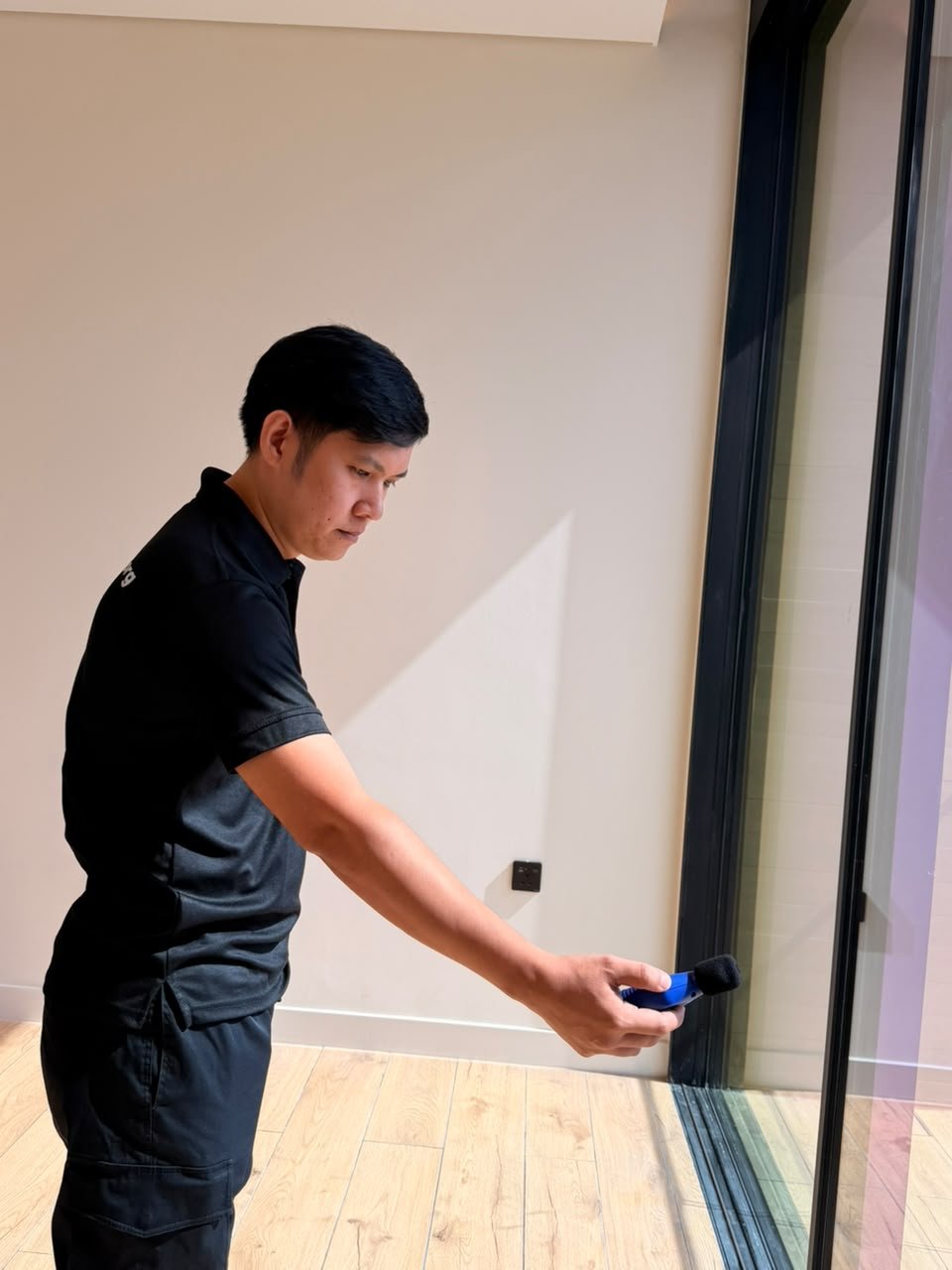
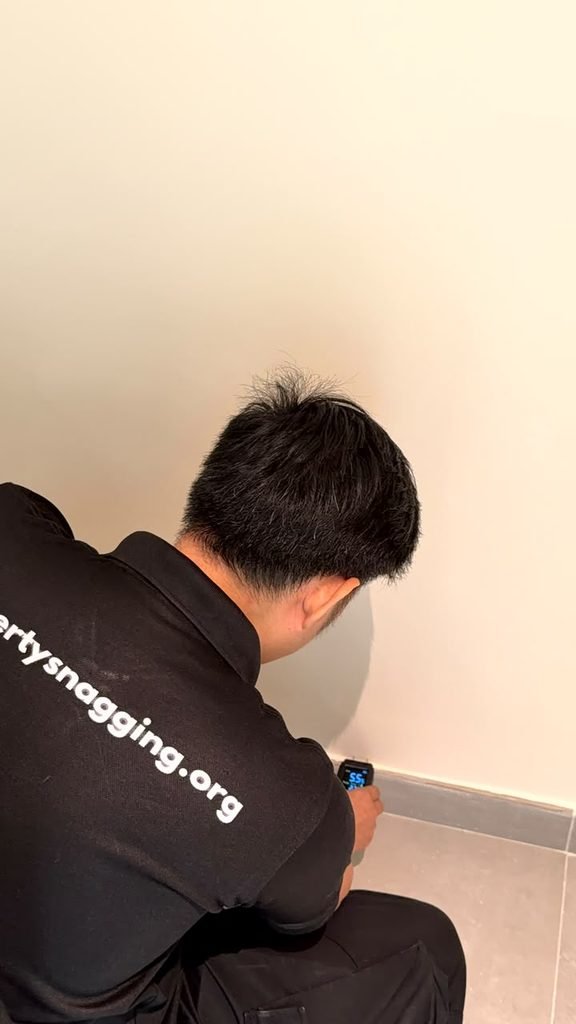
The right snagging tools help find what the eye can’t. Typical kit includes:
- Moisture meter: flags damp areas that fresh paint may hide.
- Thermal imaging camera: shows temperature patterns that can point to moisture or cooling problems.
- Spirit level and tape measure: check alignment and surface differences.
- Torch: shows poor finishing in dim corners.
- Camera: records proof for every item.
Tools give clues, not diagnoses. A moisture reading shows where to look. It doesn’t prove where the water came from. A good inspector explains that limit in the report.
Move-In Snagging and Move-Out Snagging
Snagging isn’t only for new builds.
Move-in snagging records a property’s condition on the day a tenancy or ownership begins. Time-stamped photos show what was already damaged, so you aren’t blamed for it later.
Move-out snagging records the condition at the end of a tenancy. It gives the landlord and tenant an impartial reference when they discuss the deposit.
Both reduce disputes because the evidence exists before anyone argues.
Handover Snagging: What to Expect
Handover snagging is the inspection you arrange when a developer says your home is ready. It covers everything above, and it’s your best chance to document defects while the developer is still fully responsible for them.
Allow enough time. Rushing an inspection on the day of handover rarely works. Book early, read the report and send it in before you sign anything.
What Do Snagging Services Include?
Scope differs between providers, so compare before you book. Good snagging services usually include:
- A room-by-room inspection with photos
- Functional checks of accessible systems where it’s safe
- A written report that separates visible defects from items needing a specialist
- Support with questions after the report
- Re-inspection after repairs (check whether it’s included or charged separately)
How to Choose a Snagging Company in Dubai
Don’t choose on price alone. Ask these questions:
- What exactly does the inspection cover, and what does it exclude?
- Can I see a sample report?
- Which tools do you use, and what can’t they confirm?
- Do you inspect villas, apartments and townhouses differently?
- Is de-snagging included?
- Who carries out the inspection, and what are their qualifications?
Verify any certification a company claims. RERA approval and InterNACHI certification matter, but check them yourself rather than trusting marketing copy. Be wary of anyone promising to find every hidden defect. No inspection can.
Frequently Asked Questions
What is property snagging in Dubai?
It’s a detailed inspection that finds defects and unfinished work in a new or existing property, then records them in a report for the developer to fix.
When should I book snagging?
Before your official handover appointment. Earlier booking gives you more time to report defects and follow up.
Is snagging worth it for an apartment?
Yes. Small defects still affect comfort and maintenance, and an inspection gives you a documented list to send to the developer.
What is the difference between snagging and de-snagging?
Snagging finds the defects. De-snagging re-inspects after repairs to confirm they were done properly.
Can snagging find every defect?
No. A visual inspection can’t confirm hidden pipes, wiring or waterproofing. A good report says what needs specialist testing.