
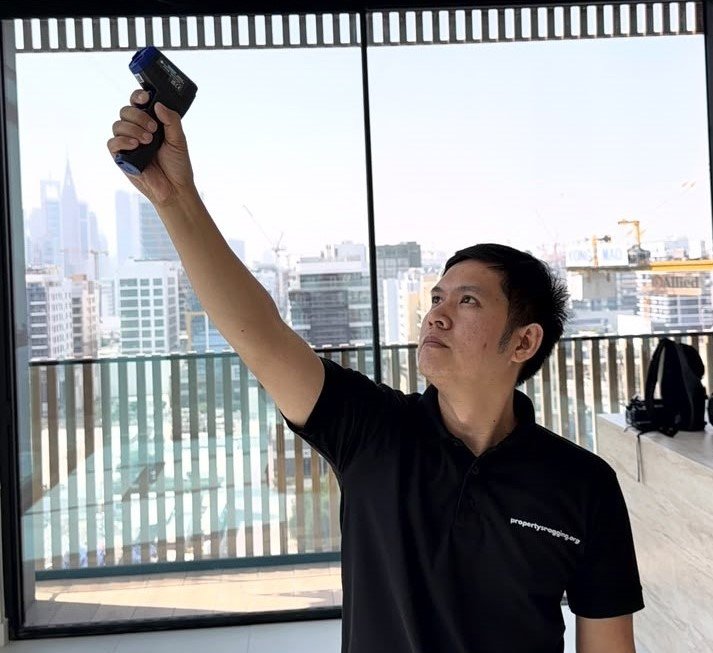
A new apartment can look perfect on handover day. Fresh paint, clean grout, shiny fittings. But the problems that cost the most money rarely show on the surface. A slow leak behind the bathroom wall, a loose cable heating up inside the DB board, or a gap in the roof insulation all look the same as a perfect wall to the naked eye. That’s where a thermal imaging inspection in Dubai earns its place. A thermal camera shows heat instead of light, so it picks up the temperature patterns that hidden problems leave behind. In a few hours an inspector can scan every wall, ceiling, floor and electrical panel in your home, and point to the exact spots that need a closer look.
In this guide we’ll explain how a thermal imaging camera inspection works, what it finds that a normal walk-through misses, where it has limits, and when it’s worth booking. We wrote this guide for first-time buyers, experienced investors, and the agents who advise them anywhere in the UAE.
How a Thermal Imaging Camera Inspection Works
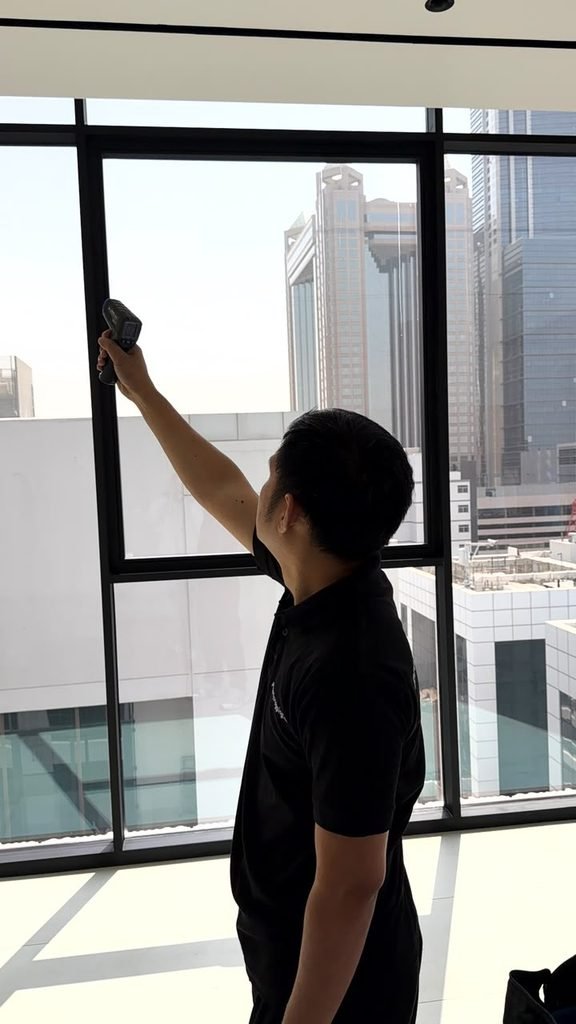
Everything gives off infrared energy, and warmer surfaces give off more of it. A thermal camera reads that energy and turns it into a color image, usually with warm areas in yellow and red and cool areas in blue and purple.
On a healthy wall the colors are fairly even. When something is wrong, the pattern changes. Wet plaster cools as water evaporates, so a leak shows up as a cold patch. A loose electrical connection heats up under load, so it glows bright. Missing insulation lets outside heat through, so part of a ceiling shows warmer than the rest.
What a thermal camera can’t do
A thermal camera does not see through walls. It reads surface temperature only. A cold patch could be water, or it could be an AC vent blowing nearby. That’s why a good inspector never reports a leak from a thermal image alone. They confirm every suspect spot with a moisture meter, and test electrical hot spots under load.
A typical thermal imaging camera inspection follows these steps:
- Prepare the property. The AC runs for a while beforehand to create a clear temperature difference between inside and outside. In the UAE heat this is usually easy.
- Scan room by room. Walls, ceilings, floors, windows, doors, wet areas and the DB board are all scanned.
- Confirm the findings. Every unusual pattern is checked with a moisture meter, a socket tester or a closer look.
- Report it clearly. Each finding comes with a thermal image, a normal photo of the same spot, its location and a plain explanation.
At Property Snagging LLC, we use thermal scanning in our pre-handover snagging and new build snagging inspections.
What Thermal Imaging Finds That Your Eyes Can’t
Here’s what a thermal scan regularly picks up in UAE homes, and why each one matters.
| Hidden problem | What it looks like on camera | Why it matters |
| Concealed water leaks | Cool, irregular patches on walls, floors or ceilings | Water spreads inside walls for months before a stain appears |
| Failed waterproofing | Cold zones around shower trays, balconies and roof edges | Leads to damp, mold and leaks into the unit below |
| AC duct and condensate leaks | Cold streaks along ceilings or wet spots near AC units | Wastes cooling and drips onto gypsum ceilings |
| Missing or poor insulation | Uneven warm areas on ceilings and outer walls | Higher DEWA bills and rooms that never cool down |
| Air gaps around windows and doors | Hot lines along frames | Lets in heat, dust and humid air |
| Electrical hot spots | Bright spots on breakers, cables or sockets | A sign of loose or overloaded connections and a fire risk |
| Blocked or poorly fitted pipes | Temperature breaks along hot water lines | Weak flow, leaks and early pipe failure |
Many of these are classic snags, so it’s worth asking any property snagging company whether thermal scanning is included in its standard inspection. AC problems are among the most common findings in the UAE. If you’ve already seen drips, our AC water leak and condensate drain inspection covers that in detail.
Moisture Inspection in Dubai: Catching Leaks Early
Water is the most expensive problem a home can hide. By the time you see a brown stain or bubbling paint, the gypsum behind it may already be soaked, mold may be growing, and your neighbor downstairs may be calling about their ceiling.
A proper moisture inspection in Dubai pairs a thermal camera with a moisture meter. The camera scans large areas quickly and shows where to look. The meter then confirms whether the material is actually wet and how wet it is. Using both tools together means fewer false alarms and no guesswork.
The places we check most closely are:
- Bathrooms and shower areas, especially around trays, drains and the base of walls
- Kitchens, under sinks and behind dishwashers and washing machines
- Balconies and terraces, where poor slopes and weak waterproofing are common
- Ceilings under bathrooms in villas and duplexes
- Walls around windows after rain or heavy humidity
- Roofs on villas and townhouses
For resale homes this is especially important. Fresh paint before a sale can hide an old leak very well, but it can’t hide the moisture still sitting in the wall. If you’re buying a second-hand property, ask for a moisture check as part of your pre-purchase inspection. If you’re a tenant, it also helps at move-in, so a landlord can’t later blame you for a leak that was already there. Our guide on protecting your security deposit explains how.
Electrical Hot Spot Thermal Inspection: A Safety Check You Can’t Do by Eye
Electrical faults give a warning before they fail, but that warning is heat, and heat is invisible. A loose terminal, an undersized cable or an overloaded breaker gets warmer than everything around it, often long before anything trips or sparks.
An electrical hot spot thermal inspection scans the distribution board, isolators, sockets and visible cable runs while the system is under load. This means with the AC, water heater and main appliances switched on. Anything noticeably hotter than similar parts nearby is flagged for an electrician to check.
Common findings include:
- Loose connections in the DB board, often from rushed final fitting
- Overloaded circuits, where too many high-power appliances share one breaker
- Unbalanced loads across the three phases in larger villas
- Faulty sockets or switches that run warm behind the face plate
This matters a lot in the UAE, where AC units run almost all year and electrical systems work hard for months at a time. For commercial properties such as offices, shops and restaurants, a regular electrical hot spot thermal inspection is also a smart part of ongoing property maintenance.
One note: a thermal scan finds the problem, but the repair should always be done by a licensed electrician.
Why Thermal Imaging Suits the UAE So Well
Thermal cameras work best when there’s a clear temperature difference between inside and outside a building. With outdoor temperatures often above 40°C and indoor AC set around 22°C, the UAE provides that for much of the year. Hidden defects stand out clearly, which makes a thermal imaging inspection in Dubai especially effective.
The climate also makes these defects more damaging. Heat and humidity break down sealants faster, push AC systems to their limits, and turn small leaks into mold problems quickly. Every emirate has its own pattern:
- Dubai: High-rise apartments and large off-plan communities, where AC duct leaks and bathroom waterproofing top the list. See our apartment and villa snagging pages.
- Abu Dhabi: Waterfront homes on Yas, Saadiyat and Al Reem, where humidity tests window seals. Read our Abu Dhabi snagging guide or see our Abu Dhabi service.
- Sharjah and Ajman: Fast-growing family communities and affordable towers, where plumbing and AC drainage issues come up often.
- Ras Al Khaimah, Fujairah and Umm Al Quwain: Coastal and resort-style homes, where salt air and storm rain test roofs and balconies. More on property snagging in Ras Al Khaimah.
Who Should Book a Thermal Imaging Inspection?
First-time buyers
If you’re collecting keys to a new home, book a thermal scan before you sign the handover form. Any defect it finds is still the developer’s job to fix. Not sure what happens between the completion notice and the keys? Our off-plan handover guide walks through each step.
Owners within the defects liability period
Missed the handover inspection? You still have time. Most developers must fix defects reported during the defects liability period, usually the first year. A DLP snagging inspection with thermal imaging, done before that period ends, gives you one last chance to get hidden faults fixed for free.
Investors and landlords
Hidden leaks and weak AC lead to tenant complaints, repair bills and empty months between leases. A thermal scan before you buy, and again between tenants, protects your rental yield.
Real estate agents
Agents who recommend a thermal inspection give their clients real protection and avoid awkward calls after the deal closes. On resale listings, an inspection report also shows buyers you have nothing to hide.
How to Choose a Property Snagging Company for Thermal Imaging
A thermal camera is only as good as the person holding it. Before you book, check these points:
- Qualified inspectors. Ask whether they’re trained in thermography and building defects, and whether the company holds recognized credentials such as RERA approval and InterNACHI certification.
- Proper equipment. A professional thermal camera with good resolution, plus moisture meters and electrical testers to confirm findings.
- Confirmed findings, not guesses. Every “possible leak” in the report should be backed by a moisture reading.
- A clear report. Thermal and normal photos side by side, room locations and plain-language notes the developer or landlord can act on.
- Thermal imaging included. Some companies charge extra for it. Check what’s in the price on our property snagging and inspection cost guide.
- UAE-wide coverage. Make sure they serve your emirate without heavy travel fees.
Property Snagging LLC is RERA approved and InterNACHI certified, and we carry out thermal inspections on apartments, villas, townhouses and commercial units across the UAE. You can read more about our team.
Frequently Asked Questions
What is a thermal imaging inspection in Dubai?
It’s a property inspection that uses an infrared camera to find hidden problems, such as leaks, damp, missing insulation and electrical hot spots, by reading surface temperature. It’s usually done during snagging, before purchase or when a leak is suspected.
Can a thermal camera see through walls?
No. It reads the temperature of surfaces. Hidden problems change that temperature, which is why they show up. Findings should always be confirmed with other tools, such as a moisture meter.
How long does a thermal imaging camera inspection take?
A one or two-bedroom apartment usually takes 2 to 3 hours as part of a full snagging inspection. Large villas can take most of a day.
Is a moisture inspection in Dubai worth it for a new home?
Yes. New homes often have waterproofing and plumbing faults that haven’t shown yet. Finding them before handover means the developer pays for the fix.
What does an electrical hot spot thermal inspection find?
It finds parts of the electrical system running hotter than they should, such as loose connections, overloaded circuits and faulty sockets. These are early warning signs of failure or fire risk.
Do you offer thermal imaging outside Dubai?
Yes. Property Snagging LLC covers all seven emirates, including Abu Dhabi, Sharjah, Ajman, Ras Al Khaimah, Fujairah and Umm Al Quwain.
Book Your Thermal Imaging Inspection
The most expensive defects are generally hidden, meaning that by using Thermal Imaging Inspection in Dubai we can identify them at an early stage. This means defects can be rectified at a low cost and often by the developer.
Whether you are getting the keys to your first apartment, wanting to check out a villa or you have a rental portfolio across the emirates we can scan your property to provide you with a clear report with photographic evidence so you can take action.
Ready to see what’s behind your walls? Visit our thermal imaging and moisture inspection page, request a quote, or call or WhatsApp us on 058 143 9243 (Mon–Sat, 8am–11pm).


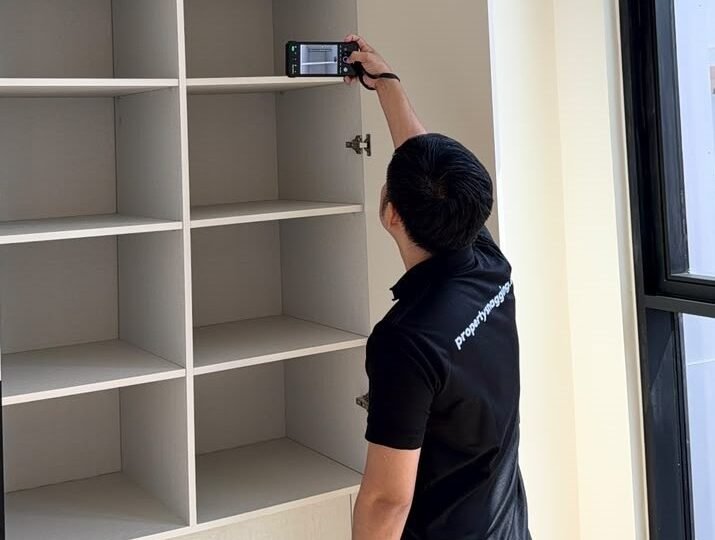
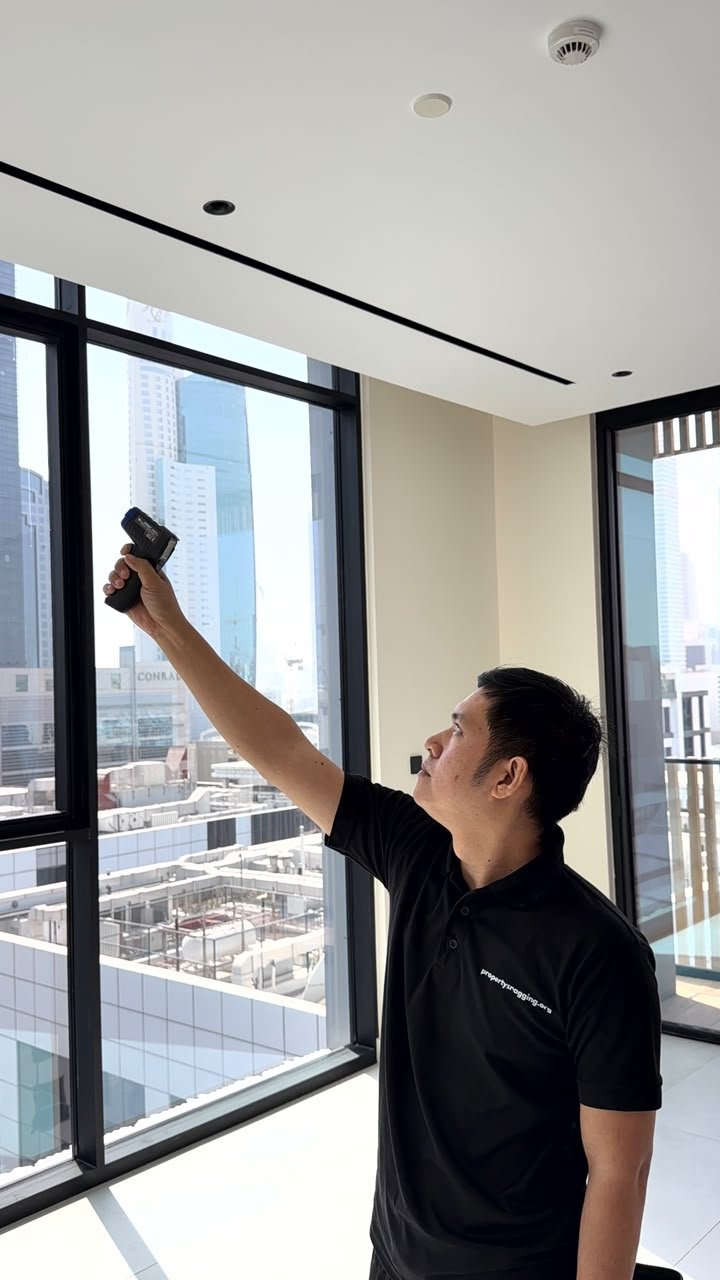
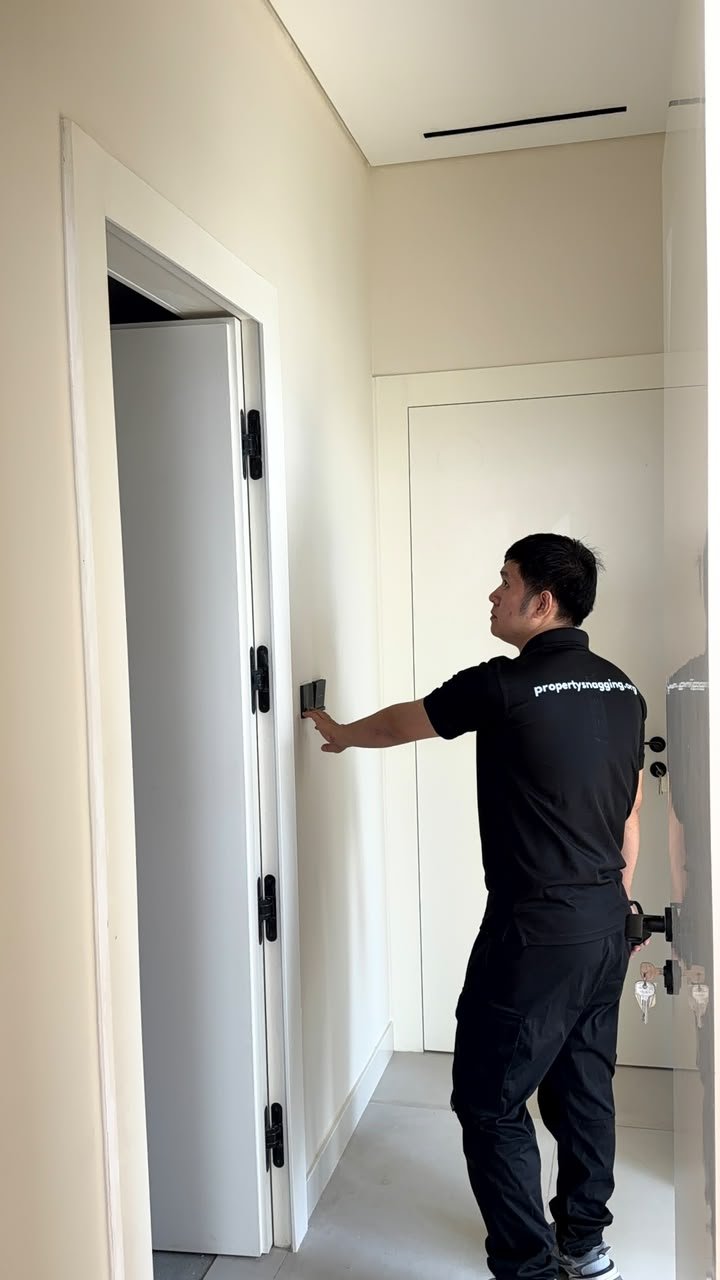
[…] A proper inspection goes beyond a visual check. A thermal imaging and moisture inspection shows temperature and moisture differences behind surfaces, so inspectors can spot wet patches, missing insulation and overheating wires that look perfectly fine to the eye. If you want to see real examples, read our post on what thermal imaging finds. […]