
Buying a property is a significant investment. A property snagging Dubai service can help buyers identify visible defects. It also notes unfinished work and functional issues prior to move in. A home can appear to be complete during a viewing and the state of the windows, drainage, AC, floors and fittings can be misleading. A thorough inspection covers accessible components. It checks function where appropriate and documents all defects for the developer or other party to resolve.
Understanding the process is a benefit for UAE buyers to help streamline the handover and inform their expectations. It helps buyers decide the type of inspection needed for their concerns. This includes a preliminary visual inspection, a detailed professional inspection, or additional specialist testing.
Property Snagging Services Overview
Snagging involves inspecting a property for defects, unfinished work, or poor finishing. It also checks components that fail to function. Project teams commonly arrange a per-handover survey. It can also be used after occupation or during the defect reporting period when a time frame is provided.
Inspectors conduct the inspection in a planned, systematic way, not a cursory view of the property. Depending on the layout and agreed scope, the inspector will examine walls, ceilings, and floors. They will also assess doors, windows, kitchen fittings, bathrooms, and plumbing points. The authorized inspector will check electrical fittings and accessible AC components.
A seemingly completed bathroom can have issues on closer inspection. These include unfinished sealant work, a loose accessory, slow draining, and water accumulation around a fitting. A bedroom may look ready to move into. The window handle is stiff, and the wardrobe door does not close.
Maintaining a clear record of the home’s condition is necessary. Include a professional inspection report that groups findings by location and identifies the issues. Support the findings with photographs where they aid communication.
It is also important to bear in mind that a visual inspection is not able to assess the internal condition of most components. We do not assess the internal condition of pipes, structural elements, or waterproofing membranes. If these or any other items require a specialist investigation, the report should make this clear. Presenting diagnostic information in the report is inappropriate.
Why Property Inspection is Important in Dubai
Dubai offers a range of residential options from smaller apartments in high rise developments to townhouses and larger villas. Each option involves different layouts, fittings, systems and potential issues.
A systematic inspection moves buyers beyond just an overview of the property. It provides an opportunity to record observations about specific components before furniture, appliances, and personal items could obstruct the inspection.
It is advisable to review the developer’s instructions as the handover date approaches. Also schedule the inspection within the time parameters provided. In writing, outline any concerns and follow the process advised by the developer for the submission of any identified defects.
A snagging report provides a useful summary of the findings. The developer or other responsible party may evaluate each finding against contract specifications and applicable requirements. It also considers the nature of the defect. Thorough record keeping facilitates communication and understanding between the buyer and developer.
Looking Beyond the Surface Finishes
Paint, flooring, tiles, and other finishes attract attention first. A thorough inspection examines how they were installed.
Review walls and ceilings for uneven or poorly applied paint, visible cracks, stains, chipped corners and uneven joints. Check the flooring for damaged or cracked tiles, scratches and gaps, inconsistencies with the grouting and uneven patches. Operate and inspect all doors and windows for ease of opening, closing and locking.
Examine fitted kitchen cabinets and wardrobes one by one. Check for damaged handles, misaligned doors, and damaged edges. Also verify that drawers slide open smoothly.
The goal is not to identify every nuance of difference. It helps an inspector discern between an observed discrepancy and a potential performance concern, or an item requiring specialist examination. This allows the report to be informative and useful to both buyer and contractor.
Water Supply, Drainage and Moisture Survey
Water-related defects warrant special attention. The impact can extend well beyond the visible sign of the problem.
Where the water supply is available, the inspector may operate accessible taps and inspect the flow and drainage. Visible connections can be checked for signs of leakage. The inspector examines bathrooms, kitchens, utility areas, and other wet rooms for staining, sealant damage, and unexplained moisture.
Balconies and other exposed areas may be checked for visible evidence of drainage and pooling water. A visual inspection cannot confirm the integrity of concealed waterproofing membranes.
Where suspected, a moisture meter or other specialist equipment may be used to test the affected area, depending on the materials and conditions. The results should always be interpreted carefully as readings alone are not indicative of the cause or extent of a potential issue.
Where a defect may indicate the presence of a concealed leak or waterproofing concern, further investigation should be conducted. An effective report will advise on the findings and the next steps.
Electrical Fixtures and Air Conditioning Systems
Electrical fittings and the air conditioning systems contribute to the everyday usability of a home and are both included as part of an effective snagging inspection.
Where it is safe to do so, the inspector can operate accessible switches and controls. All fittings should be examined for damage, missing components, malfunctioning lights and other obvious concerns. It is not advisable for an inspector to open electrical switchboards or to examine live electrical components as part of a visual inspection.
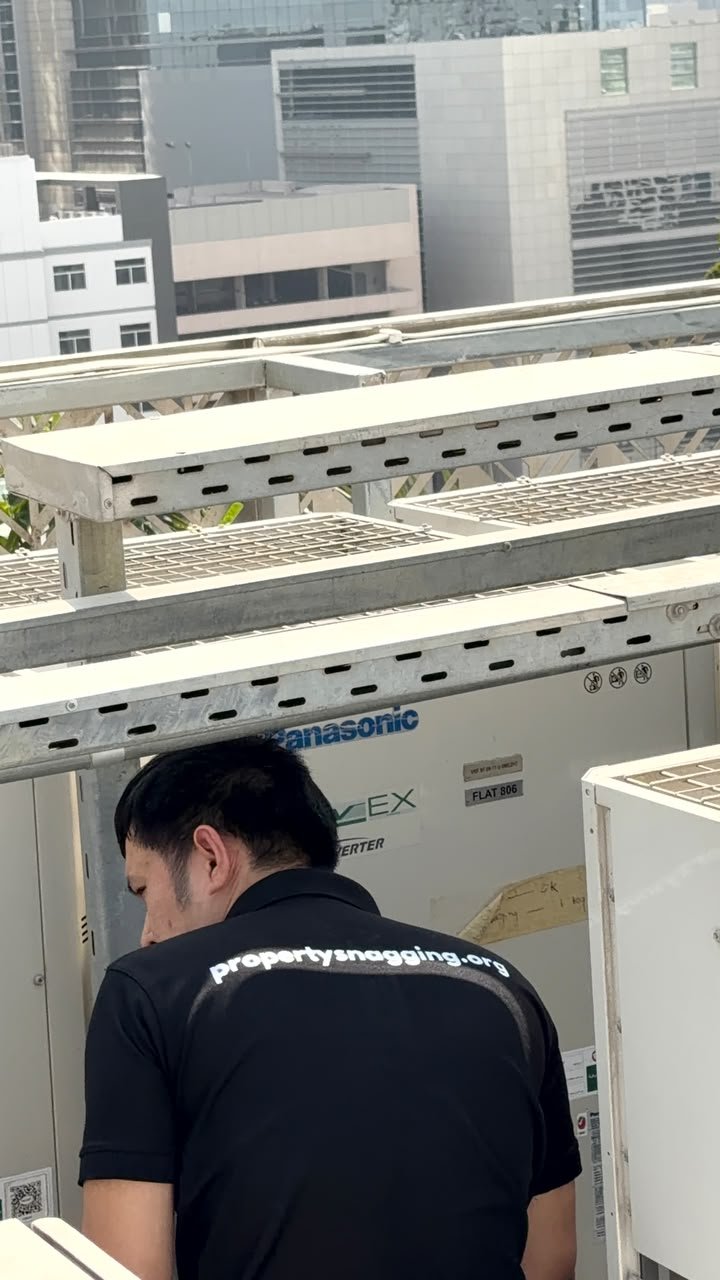
In the hot climate of Dubai, the condition and performance of the AC system is of particular importance. Where it is operational, the inspector can check the start up procedure, the direction of airflow, unusual noises, ours and leaks around the accessible equipment.
This basic operational inspection can identify some concerns but it is not a substitute for a specialist electrical inspection or a comprehensive survey of the performance of the AC system. In the case of performance or electrical concerns, further technical investigation is required.
How Snagging Equipment Reveals Potential Concerns
An effective inspector is reliant on their knowledge, a thorough inspection checklist, their observational skills and the use of relevant equipment to identify potential concerns.
Snagging equipment can assist with a number of measurements and calculations where a visual inspection is not sufficient to identify a concern.
A moisture meter is useful in cases where hidden moisture may indicate a problem. A laser or spirit level can confirm certain measurements and variances in surfaces. Thermal imaging can highlight areas of interest that require further investigation. Specialist personnel may utilize other appropriate electrical testing equipment for specific concerns.
Each piece of equipment has its limitations and cannot guarantee that a concern will be identified. Thermal imaging requires the correct environmental conditions to be useful and must be interpreted by qualified personnel. A reading from a moisture meter must be evaluated in conjunction with other evidence before further action is taken. Readers should ask which equipment a snagging inspection includes and understand the applicable limitations.
The value of the equipment used should be measured by its contribution to the report. We do not count equipment brought to a property and not used toward the inspection’s value.
Villa Snagging Includes Exterior and Interior Components
A villa snagging inspection includes more than the interior of the residence. Depending on the layout and scope, the inspector may examine accessible portions of the external walls, boundary walls, the terraces and balconies, the garage and utility areas, and the visible drainage fittings.
The interior examination covers doors, windows, floors, the fittings in the kitchen and bathrooms, the electrical fixtures and the AC in the same manner as an apartment or other residence. Larger properties typically include several cooling zones, multiple bathrooms, and extra storage and exterior finishes that reviewers can assess.
The inspector should tailor the checklist to each property at the time of inspection. A generic checklist that applies to every room is ineffective, and the inspector should highlight any inaccessible sections in the report to inform the buyer about the inspection’s limitations.
When purchasing a villa, inspectors should determine the scope and any limitations based on an understanding of the property. Inspectors prevent misunderstandings about the external areas, specialist components, and any required additional testing.
How to Choose a Reliable Property Snagging Company
A reliable property snagging company will be able to provide detailed information on their approach, report format, scope and limitations. A buyer should look for the relevant experience of the company as well as the personnel, and should ask who will conduct the inspection.
Choosing a snagging service should not be based on a comparison of prices alone. A buyer should compare the value of the service based on their specific requirements. A company that offers a limited visual inspection and another that conducts extensive tests of accessible components may not be directly comparable. The relevance is dependent on the property and the requirements of the buyer.
Request a sample report prior to booking an inspection and assess whether the report identifies the findings in sufficient detail. Location is important, as is an explanation of the nature of the finding and the inclusion of relevant photographs. A report that lists “bathroom defect” or “window defect” does not provide the necessary information to a developer.
It is important to understand the booking process, the production of the report, any additional costs and the possibility for a follow up or re-inspection if necessary. Ask about the experience and qualification of the personnel that will conduct a survey of the property.
It is important to be aware that some companies may embellish their credentials. A regulatory approval, Certification or License may not exist in relation to property snagging. A buyer should verify any information that supports the standing or reputation of a company.
What to Expect From Good Snagging Services
The scope of a snagging inspection varies between companies and it is important to determine the details prior to booking an inspection. A reputable snagging service will advise which areas it inspects, which tests it carries out, the report format, and the available follow-up options.
Many buyers find that a photo report is particularly useful as a visual record. It should clearly identify the findings with sufficient information to locate the item. A photo report may distinguish between cosmetic and functional issues and highlight any items that may require further investigation.
Some companies provide the option of a re-inspection following remedial work. If this matters to the buyer, decide whether the original report covers it or if there is an extra charge.
The best snagging company for a buyer is not always the one that boasts the most appealing marketing. It is important to review the information provided regarding the scope of the service, the experience of the personnel, the report and any additional requirements.
What Property Snagging UAE Buyers Should Expect
The property snagging UAE buyers arrange should reflect the nature of the property and the handover process applicable. An apartment in a residential tower, a townhouse or a free standing villa all involve different accessible components.
The inspection is not a structural survey or a legal or certification review but it does specify the limitations and advise on the value of a specialist assessment where applicable.
Obtain the handover instructions and any accompanying specifications or documents that define the handover scope before conducting the inspection. During the inspection, allocate enough time to the accessible areas listed in the scope.
Review the snagging report and identify all findings accurately, then clarify the location or description of each finding. Ask for clarification where this is not the case before submitting to the developer or other responsible party.
Retain a copy of the snagging report, photographs, any correspondence and records of remedial work. In the case of unresolved issues, update the records and follow the procedures for further submissions that may be available.
This creates a thorough reference point for all concerns as well as a chronological overview of the relevant activity.
How to Compare Property Snagging Providers Without Marketing Speak
When searching for a snagging company Dubai buyers can trust, there are several companies offering similar services but all with variations. Marketing speak that boasts of being the “best snagging company” is not an indicator of the standard of service.
A more effective approach to choosing a snagging service is to compare the value provided by each company based on the needs of the buyer. Review the sample report and ask questions about the scope, the limitations, and the findings the team will identify and record.
During their research, buyers may discover several other sites and companies, including propertysnagging.ae, offering a range of property-related services. It is important to rely on independent information and to base decisions on the experience of others in selecting a snagging company. To make an informed choice, compare multiple information sources and avoid depending on the company’s testimonials.
What Happens After The Property Inspection?
Following the inspection, the report serves as a reference and it is advisable to review each finding and location thoroughly. If there is a concern or a query, ask the inspector to provide additional information or explanation prior to submitting the report to the developer or other responsible party.
Submit the relevant section of the snagging report to the applicable developer in accordance with the submission process. Keep a copy of the submission and record the date for any response you receive. If feasible, we should re-inspect completed works and document whether the submission has resolved the initial concern.
Some issues require further investigation, specialist inspection or follow up. Other issues are minor finishing touches. Judge each finding by its nature, and avoid using one process for all concerns.
A follow-up inspection helps when you submit number of concerns for resolution and need an opportunity to review completed work. Ensure that the terms of a follow up or re-inspection are clear prior to requesting this service.
Make Your Handover Decision With Better Information in Hand
Dubai buyers arrange property snagging before handover to obtain information about the home’s condition and the issues to raise. A thorough inspection identifies more than aesthetic concerns and can utilize a range of equipment to facilitate a methodical examination of the property. The inspection report is a useful tool to keep on file, to submit to the developer for remedial work and to refer to during the handover.
Whether the property is an apartment or a villa snagging inspection, selecting the appropriate scope and understanding the limitations of the report is a good starting point to making an informed handover decision.