
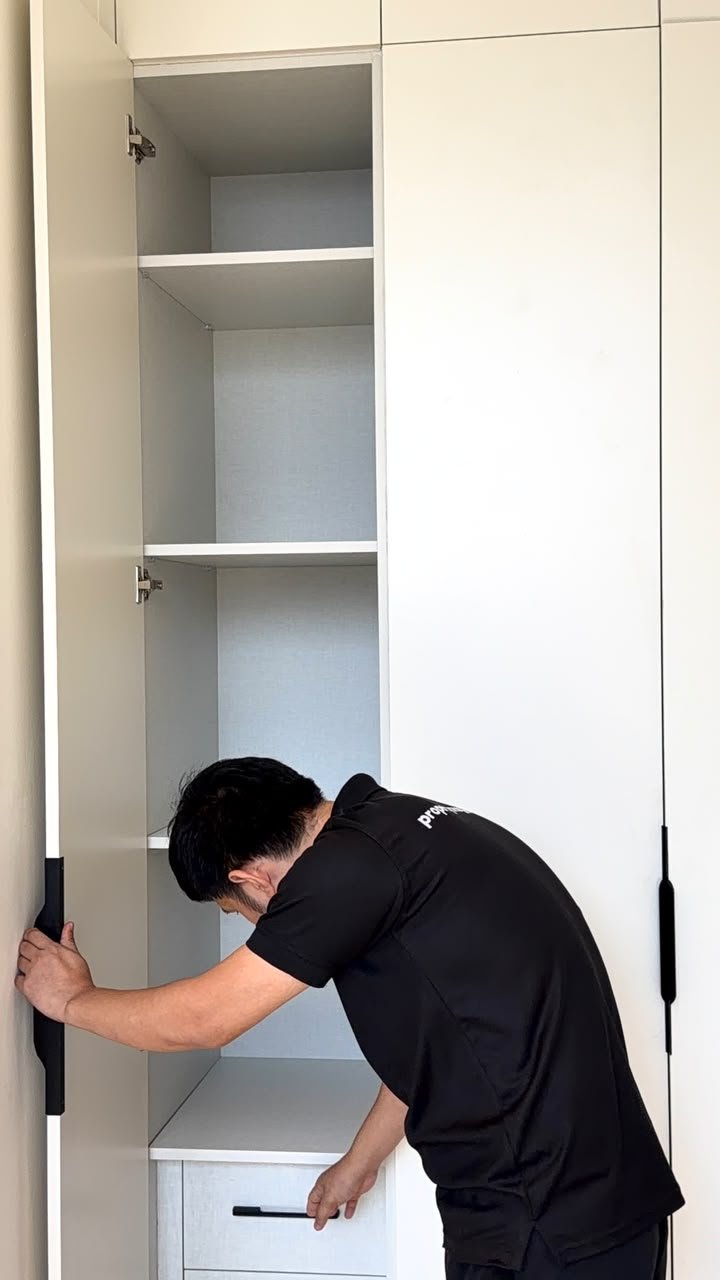
Buying a property is an undertaking, and property snagging is an important step to making sure your new home is ready for everyday use. A property can seem complete when you view it, but there are risks that the new flooring, plumbing, electrical fixtures, doors, windows or finishing will also have defects. Identify these defects before you move in so you know the state of the property and an opportunity to report the issues to the developer or applicable contractor.
Many buyers focus on the location, layout, facilities and general appearance of a property. While this is important, the quality of the workmanship and installation should be considered with equal importance. While a small defect may be remedied, a bigger problem could be overlooked until your furniture is installed or the property is occupied.
Whether it is an apartment, new villa investment or to prepare for the handover, a systematic inspection will help you make an informed decision.
What Is Property Snagging?
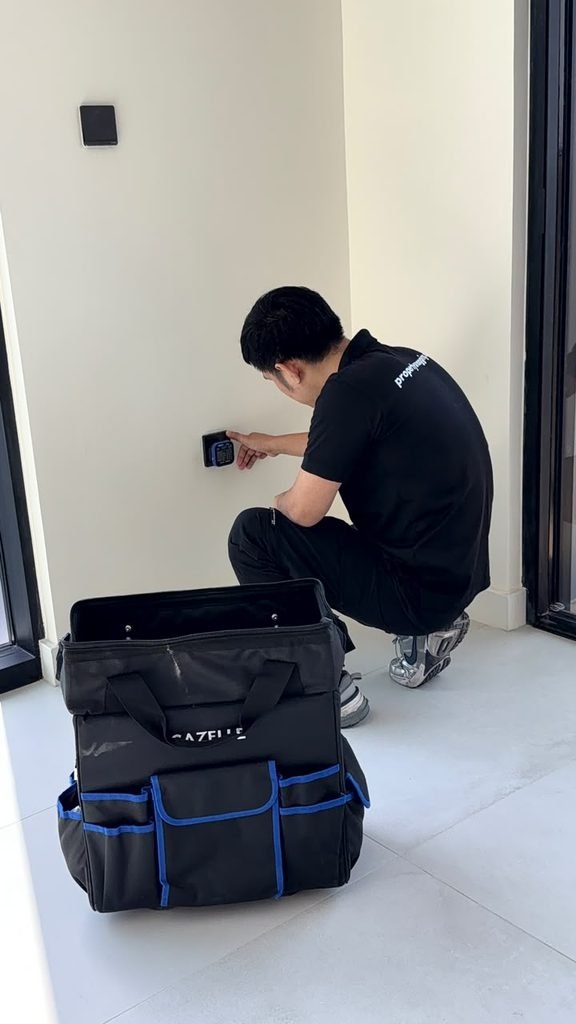
This refers to the process of inspecting a property to identify visible defects, incomplete work, poor workmanship and problems with accessible fixtures or systems. An inspection can be done before handover, following renovation or at another suitable point depending on the state of the property and the service required.
When a property is inspected, the focus is on a systematic approach rather than judging by the overall appearance. Walls and ceilings are checked for uneven finishes, floors for visible damage and the normal operation of doors and windows. The accessible plumbing, electrical fixtures, air conditioning, kitchens and bathrooms may also be reviewed within the agreed scope of inspection.
The findings are recorded in a report, ideally with descriptions and photographs showing the location of each defect so that the property owner can make a good report to the developer, contractor or maintenance team.
The aim is not simply to find faults but also to understand the issues the owner may need to report and communicate clearly so that the appropriate corrective work can be considered.
Why Property Snagging Is Important Before Handover?
The time before handover offers an important opportunity to learn more about the property before you settle in completely. While a newly built home may look complete, it is likely that several trades have worked on the space, and small defects can be overlooked during construction.
For example, a bedroom door may rub against its frame, a kitchen cabinet may be poorly aligned or a bathroom fitting may leak once it is in use. These problems are unlikely to be obvious during a short inspection but they can all affect the comfort and convenience of the property.
Arranging property snagging before handover can help buyers document such concerns while the developer’s handover and defect-reporting procedures are still in force. The buyer can then submit the findings and ask the applicable party to review and address the items reported according to the terms of the report.
It is important to understand that an inspection does not automatically guarantee that every defect will be repaired. Buyers should follow the developer’s reporting procedure, keep copies of correspondence and confirm responsibility and deadlines to their property.
Small Defects Can Become Larger Problems Too
While some snags are not that serious, particular defects should be noted before they become more disruptive and expensive to investigate.
Consider a bathroom where the sealant has been applied poorly. It may seem to be a cosmetic issue but the gaps around wet areas can allow water to get where it should not. Similarly, a minor drainage concern can become increasingly inconvenient if left unaddressed.
Other examples include damaged floor tiles, poorly fitted window seals, loose fixtures and visible moisture marks. Each issue should be considered in context. A surface level inspection can identify potential warnings signs but concealed leaks, waterproofing issues and technical system defects can require specialist investigation.
Property snagging can assist with an early record of visible concerns and functionality problems to help make it more straightforward to request further assessment before it is overlooked or becomes more difficult to locate.
Protect Your Property Investment
A home is often one of the biggest financial commitments a person will make. For an investor, the condition of the property can also affect maintenance costs, tenant satisfaction and the overall experience managing the asset.
When defects are identified and reported promptly, owners have a better opportunity to address them through the right process. This can help minimize any unnecessary disruption and clarify which defects were present at the time of inspection.
A property snagging report may prove useful in maintaining maintenance records in an organized manner. If a concern presents itself at a later date, photographs and notes can help to show what was observed and what has been requested. The report does not by itself establish legal responsibility or guarantee compensation, but it is important to have a record for communications with the applicable parties.
For landlords and property investors, this documentation can help make more informed decisions around maintenance and property management. It can also help distinguish any previously recorded concerns from issues that may arise during their occupation.
Why Villa Snagging Deserves Special Attention
Villas typically have more areas to inspect compared to an apartment. In addition to inspecting bedrooms, kitchens, bathrooms and internal finishes, a villa may also include a roof or terrace area, external walls, boundary walls, a driveway and a garden, a garage and a swimming pool. The scope for villa snagging should take advantage of these included features rather than using an apartment checklist. For example, owners may need to pay attention to visible external cracks, damaged paving, poorly finished external areas, drainage concerns or defects in accessible roof or terrace components.
Inside the villa, the inspection would still be concerned with the everyday items such as doors, windows, flooring, fitted furniture, plumbing, electrical fixtures and air-conditioning but the scope would depend on the layout, systems and services included for the property.
The outside can be easy to overlook when the interior looks impressive. A beautiful living room does not tell you whether the garden will drain appropriately, or whether external finishes have been completed to an acceptable standard.
A suitable inspection considers the property as a whole and includes the features that would be unique to a villa when compared to other property types.
How Professional Snagging Services Help
Inspecting a property can take time and require the knowledge of finishes, systems and the defects that may not be obvious during a short walk through.
Professional snagging services offer a more structured approach, and the level of service will depend on the provider and the agreed scope. This may include an inspection of accessible areas, a basic function check, photographing the visible areas and providing a written report that describes the findings.
A professional report should make it easy to understand what has been found and the location of an issue. Descriptions are particularly important where several contractors may be involved in rectification work. Instead of receiving a vague list of concerns, the applicable team can refer to specific locations and determine the next steps.
Some inspection providers also offer a follow up inspection after the repairs. Where such a service is available, it can help the owner to check whether previously reported items have been addressed. The scope and any additional fees should be confirmed prior to booking.
It is important to remember that standard snagging is not the same as a comprehensive survey or specialist testing of concealed systems. Where an inspector identifies a concern that requires further investigation, an appropriately qualified specialist may be required.
How Snagging Tools Assist With Identifying Defects
A careful visual inspection is essential but there are certain defects that are easier to identify with the right equipment. Depending on the property and the scope of inspection, inspectors may utilize different snagging tools to help assess visible and accessible components.
Moisture meters can be used to investigate suspected dampness, thermal imaging equipment may highlight temperature patterns which require further investigation and suitable electrical testing equipment can support checks within the inspector’s qualifications and the agreed service.
Measuring tools may be used to assess visible differences in level or alignment. Their effectiveness and usefulness will depend on the type of defect being investigated and the conditions in which the measurement has to be taken.
Tools do not replace experience or good judgment but a reading from a device is not always proof of a defect either. Some findings may require the appropriate testing to confirm the cause of an issue. A good inspector interprets observations in context and explains any limitations before recording findings.
When comparing inspection providers, ask which equipment they have and what can it assist with, and whether the results are included in the report. This is more useful than a choice based on the number of tools advertised.
How To Choose The Best Snagging Company
Searching online for the best snagging company can present many options but the right choice will depend on your property, inspection requirements and the quality of service offered.
Start by checking whether the company has experience with your type of property. A provider who regularly inspects apartments may also inspect villas but you should ensure the scope covers the relevant internal and external areas.
Ask to see an example of a report before booking. It should show how the defects can be described, photographs presented and how the findings are presented. A report that clearly identifies the location and nature of each issue is generally more useful than a long report of vague observations.
Communication is important, and the company should explain what is included, what is not included, the length of the inspection, when the report will be delivered and whether a follow up inspection is available. Pricing should be explained clearly so that you understand what you are paying for.
You can also look at customer reviews and ask about the inspectors’ qualifications and experience. Certifications and equipment may be a good indicator, but they should be considered alongside the actual inspection scope, the quality of reporting and the service terms.
Avoid making a decision based solely on promotional claims. A reliable provider should be able to explain its process clearly and set reasonable expectations about the inspection.
When Should You Arrange A Property Inspection?
The most suitable time depends on why you need the inspection.
If the property is newly built, a property snagging inspection before handover can help to document visible defects before you accept possession, subject to the developer’s access and procedures. It is wise to book early enough so that the inspection and submission of the report can be completed.
When purchasing an existing property, an inspection before completing the transaction may help to understand the general appearance of the property and identify concerns that may need further investigation. The scope should reflect the property’s age and condition and the purpose of the assessment.
An inspection can also be helpful after renovation work. Newly installed fittings, flooring, cabinets and other finishes should be checked to see whether the work is consistent with the agreed requirements.
For properties approaching the end of a defect liability or warranty period, owners may wish to book an appropriate inspection before the applicable deadline. They should also check the terms and reporting requirements in advance as these can vary.
In every case, the earlier a concern is identified within the relevant process, the more time the owner may have to document it and ask an appropriate response.
What Happens After The Snagging Report?
Receiving the report is not the final step but it needs to be reviewed and submitted through the appropriate process.
Start by reading the report and make sure the descriptions are understandable, the photographs match the stated locations and any concerns that require further investigation are clearly identified. If something is unclear, ask the inspector for an explanation.
Next, submit the report to the applicable developer, contractor, seller or property representative, depending on the circumstances. Keep a copy of the report and any responses received. If the responsible party agrees to carry out repairs, ask how the work will be scheduled and how completion will be confirmed.
When the work has been reported as complete, review the items repaired where access is available. A follow up inspection can help to check whether the original concerns have been addressed but some technical issues may require specialist verification.
Keeping this process organized will help to avoid confusion and provide a clearer record of what was found, what was reported and what has been addressed.
Make Property Snagging Part Of Your Buying Process
A property can look complete but there are risks that the new flooring, plumbing, electrical fixtures, doors, windows or finishing will have defects. Taking time to inspect it can help you understand the state of the property before moving in or proceeding with the next step of ownership.
Property snagging is valuable due to its combination of systematic checking and clear documentation and helps buyers and owners to record their concerns, communicate with the right parties and decide whether further investigation is required. For a villa, the inspection should also consider the external areas and features that may not be present in an apartment.
Choosing the right snagging service, understanding the value of snagging tools and comparing providers can all assist with making the process more useful. Rather than a quick walk through or the overall appearance of the property, focus on evidence, clear reporting and follow up.
A well-documented inspection will not necessarily guarantee a completely defect-free home, but it can assist with a better understanding and taking informed steps to address issues before they can become more difficult to manage.