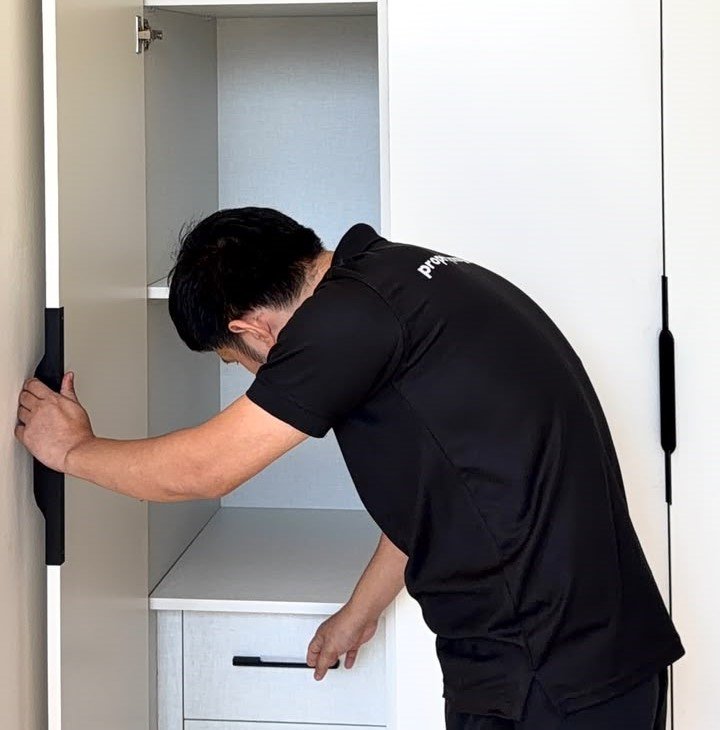
Buying a property, whether it is an apartment in Dubai, family villa in Abu Dhabi or elsewhere in the UAE is a big investment. You can use snagging to identify the obvious issues with a property prior to handing over. Even if the property has been brand new there may be some issues that aren’t obvious when you look around.
Whilst a cracked tile, badly fitted window, leaky taps or air conditioning issues don’t seem like huge issues, they can affect how comfortable, usable and in good condition your property is. Knowing these issues exist early means you can clearly document any issues you have.
Many people think that a new property will have no issues. However, there are a lot of stages involved when building a property, with multiple contractors and installations. We will ensure everything meets a high standard, but small issues may arise.
Choosing a good method of inspecting your property will help you understand the condition of your property, whilst providing you with a detailed report.
What is Property Snagging?
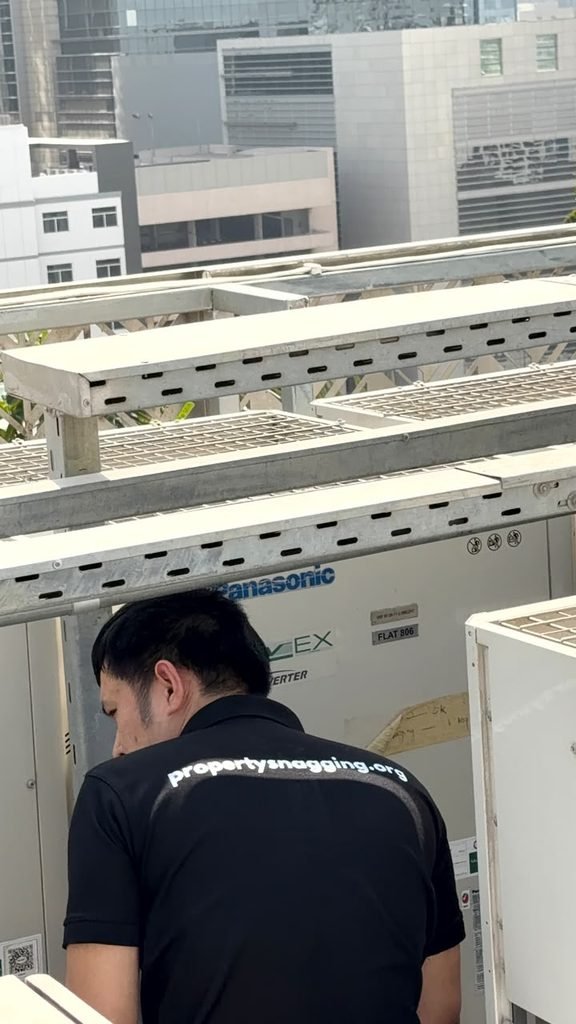
Property Snagging is identifying any issues with a property. We complete snagging before handing over. The purpose of a snag is to ensure you understand the detail of the property.
Whilst the living room may look completely finished there could be issues with the flooring being uneven, skirting boards damaged and windows not closing properly. In the kitchen, cabinet doors may not line up. In the bathroom, the contractor may not have fully applied the sealant.
Having a professional inspection will allow you to clearly document any issues. This means you won’t be guessing or complaining about general issues. You’ll know exactly where the issues are and will have photos to back up the issue.
Snagging helps you quickly identify issues that must be sorted now and those that require further technical investigation. Whilst visual inspections can identify issues there will be some installations that aren’t visible.
Why New Properties Can Have Issues
We will guide new properties through many stages until they are ready for handover. There will be structural work, electrics, plumbing, air conditioning, flooring, painting and finishing all done by different teams.
There can be small issues that happen along the way. Technicians may install fittings incorrectly, damage surfaces during other stages, and leave finishing details incomplete.
Some issues will be aesthetic, such as scratches, paint marks or chipped tiles. Some issues can be functional for example doors not latching, drainage issues or air conditioning not working correctly.
It is important to inspect a property based on it’s condition.
Check the requirements in your purchase documents and the developer’s requirements. Some properties will have different requirements for reporting issues, handing over and requesting repairs.
What to Look For Property Snagging
When doing a detailed inspection you should start by looking at the visible issues.
Start by checking the walls and ceilings for cracks, uneven paint, staining, damaged corners and incomplete finishing. Check the flooring for scratches, chipped tiles, uneven joins and visible gaps around the skirting boards.
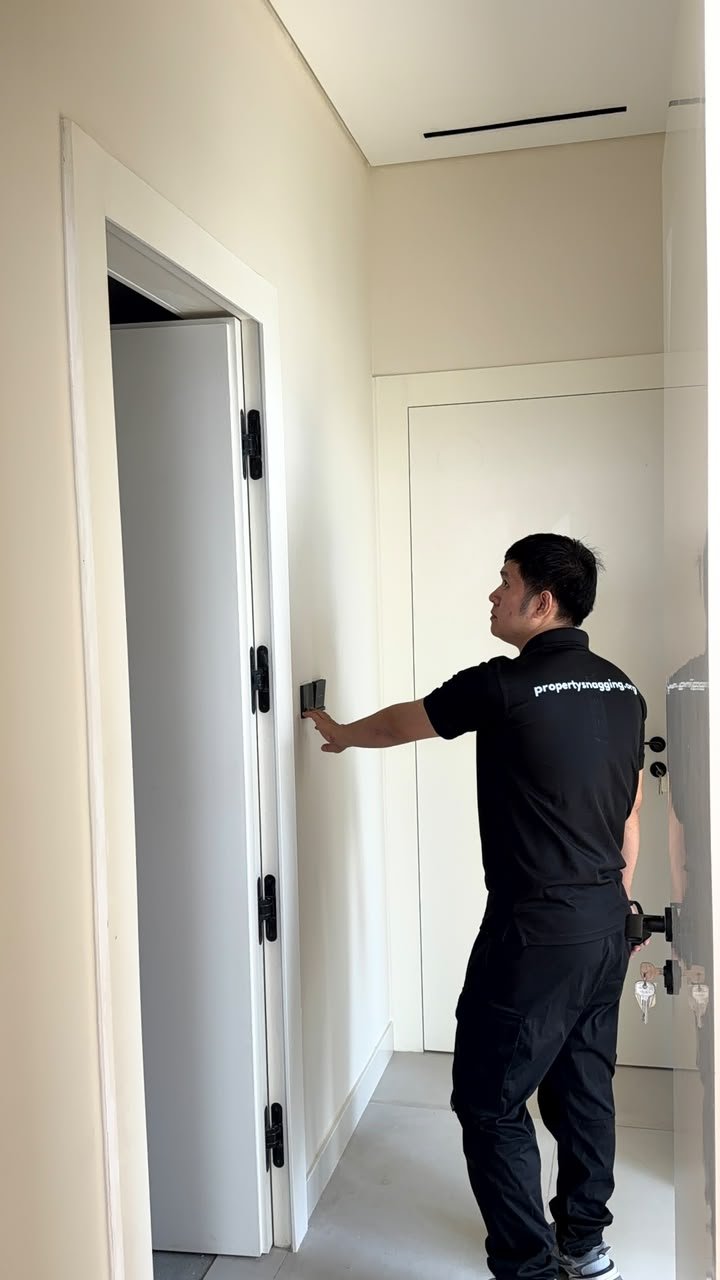
Check the doors and windows open and close. Inspect the handles for damage, as well as any looseness in hinges, scratches, poor sealing, and issues with the locking mechanism.
The kitchen will have lots of fittings so you should check the work tops, cabinet doors, drawers, sink and visible plumbing. Check that fitted appliances that are safe to use function correctly.
Check the bathrooms for chipped tiles, incomplete sealant, loose looking accessories and visible leaks. If there is water running check the visible taps and drainage.
Check the air con works using the normal controls. Note if it doesn’t react as it should and any strange noises, smells or visible condensation.
Ensure you check everything required within your agreed scope. If there is a balcony, terrace, store room or other visible areas check the finishing and fittings.
Villa Snagging
When snagging a villa you need to check the internal and extra features.
Villas can have multiple bathrooms, gardens, external walls, garage, terraces, outdoor lights and private swimming pools. This means there will be more to check.
Internally check the flooring, doors, windows, kitchen fittings, bathroom fittings and air con controls. Check the visible installations are working as they should and note any visible damage or incomplete finishing.
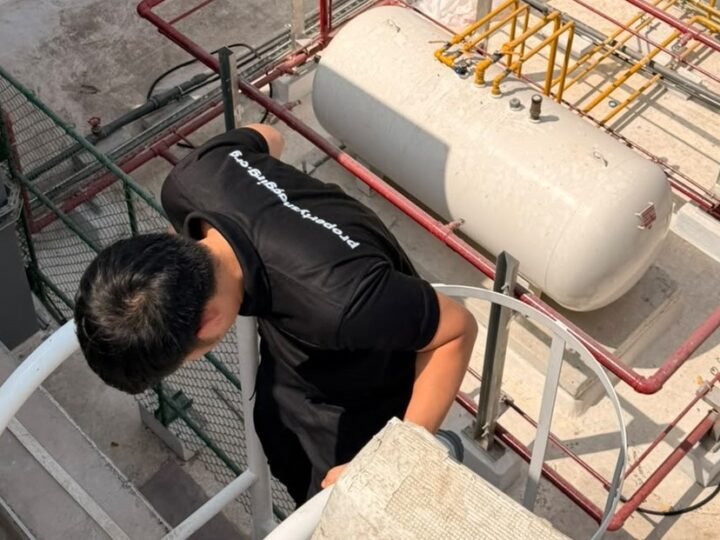
Externally check the visible external walls, gates, boundary finishing and visible drainage. Check for chipped tiles, incomplete sealant, pooling water and visible damp.
If there is a swimming pool check the visible finishing, surrounding paving, visible fittings and installed safety measures. You may need a specialist to test or commission the swimming pool.
Your villa inspection should reflect the layout of the property. Large family villas will have more to check compared to a smaller town house.
The aim when snagging is to gain a clear understanding of the visible issues with the property and document any issues.
Apartment Snagging
Apartment snagging will mainly be internally. However there will be some visible fittings depending on the property.
A common mistake is only focusing on the main living area. You should also check the bedrooms, bathrooms, kitchens, balconies, store rooms and utility areas.
Inspect damaged flooring, incomplete painting, misaligned doors, loose handles, and windows. Check the kitchen cabinets and drawers individually.
Check the visible plumbing, tiles, sealant and drainage in the bathrooms. Note any damp patches or strange smells.
Apartment buyers should understand which issues are internal and which are not. We do not include lifts, communal corridors, and building-wide and communal areas.
If there is an issue with a communal area note this separately and report through the correct building/developer process.
Understanding Handover Snagging
Handover snagging is an important step for buyers of new properties. This will allow you to inspect the property and document any issues.
Ensure you plan your handover inspection. Review the property specifications, developer guidelines and any checklists.
Inspection the property in a methodical manner. Take photos and note where any issues are.
Instead of just noting an issue in the bathroom give some detail. For example ‘sealant around shower not complete’ or ‘visible leak from tap’.
Clear detail and photos will help the developer or relevant contractor understand what to check. By giving clear detail and photos this can make communication easier.
Once you’ve submitted your report keep a copy. After you have completed the repairs, you can review what was reported.
Although you can’t guarantee you will identify all issues, documenting the property’s condition will help you raise concerns.
How to Choose a Snagging Company
When choosing a snagging company you shouldn’t just choose the cheapest option or first available appointment.
You should check what they will be checking. Are they checking certain areas? What systems can they check? Do they offer snagging for apartments, villas or both?
The inspector should tell you what will be included in the report. Will you get photos, description of the issues, breakdown per room and any restrictions?
You can check whether they offer a re-inspection after the repairs are completed. This can help you review any outstanding issues.
Before booking, determine how long the inspection takes, who provides the report, what access is required, and any extra costs.
A trustworthy snagging company should be clear about what they can and cannot do. They shouldn’t promise to find all hidden issues or that all the developers will complete repairs within a certain amount of time.
Choose the snagging company based on the property, the items checked, and the needed documentation.
Best Snagging Company for Your Property
The best snagging company for one property may not be the best for another.
If you’re purchasing a small apartment you may need a different scope of inspection compared to someone purchasing a large villa with multiple bathrooms, external areas and specialist fittings.
When comparing companies check they have experience with your property type, clear reports and the inspection will fit your requirements.
Check how they will document the issues. Will they clearly identify what issues are? Will they highlight what is visible and what needs further investigation?
The report will show you where the issues are and what the team saw. They shouldn’t make any assumptions.
Some buyers may need help understanding the report, communicating with the developer and requesting a re-inspection. Make sure you choose a service that will provide you with a clear scope, practical documentation and honest communication.
Snagging Tools
There are lots of modern tools available to help with a more organized inspection. If there are a lot of rooms, fittings and installations it can help.
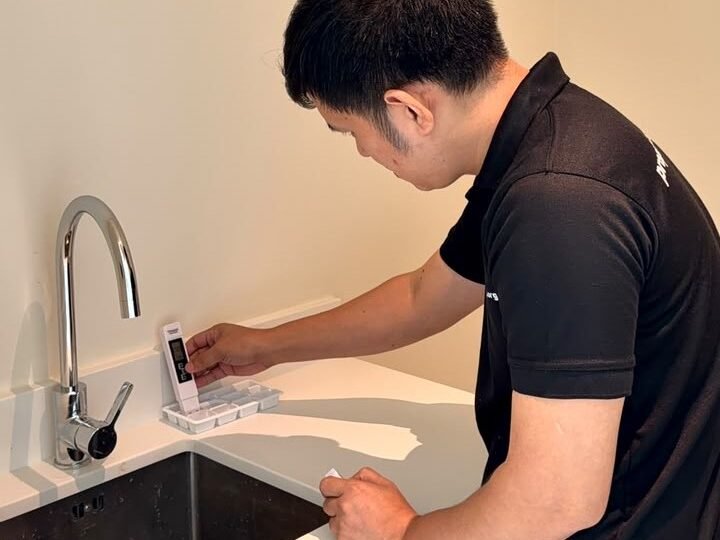
Basic tools may consist of measuring tools, torches, cameras. Depending on the scope of the inspection there may also be specialist tools to help identify any damp issues or temperature differences.
We shouldn’t rely on tools.
For example, if dampness shows on a damp meter, you may need to investigate further, but the meter won’t reveal where the dampness comes from or indicate waterproofing issues.
Thermal imaging helps identify areas of interest, and investigators may need to conduct further investigation.
How you use the tools will depend on how useful they are.
Creating a methodical inspection will help by taking photos, labeling rooms, writing notes and having a consistent report. This will make it easier to understand what has been found.
Property Snagging UAE
Property Snagging UAE services are relevant if you’re buying a property in various Emirates such as Dubai and Abu Dhabi.
Whilst the basics will be similar there may be differences in the property type, developer processes and what is required in the report.
Make sure the provider will come to your location and property type.
When buying a new property it’s important to understand what the developer requires for handing over.
You should also consider the condition of the property and if there are any specialist inspections required.
If there is a private swimming pool in the villa you may need a specialist inspection of the pool equipment. If there are any issues with hidden plumbing in the apartment you may need a specialist investigation.
Having a clear scope will prevent any confusion.
Snagging Company Dubai
Often buyers in Dubai will have several practical considerations. Make sure the property will be accessible and the correct utilities are connected.
If there isn’t any air con, water or other systems in place you may not be able to test everything.
Check what time you’ve been given for your inspection and make a list of any specific issues you want to be checked.
If you’ve already noticed any issues such as a damaged tile, window not closing or strange staining let them know.
This won’t be a full inspection but will help ensure any key issues aren’t missed.
Keep a copy of your report and any communication with the developer.
Snagging Company Abu Dhabi
Make sure the provider will come to your property location and understand what is required.
The property may be an apartment, town house, standalone villa or other.
The scope should be based on the actual property.
If it’s a villa you may need to check the visible external finishing, gates, terraces and external fittings. If it’s an apartment you’ll likely have more focus on the internal of the property and balcony.
Ask what will be included in the report and if there are any specialist tests that won’t be included.
Having a clear understanding of what will be checked will help you understand what you’re getting.
Common Mistakes
One of the most common mistakes is rushing the inspection as the property looks new.
You may spot any obvious scratches or damaged tiles however you may miss any issues with the doors, windows, plumbing and installations.
Not documenting any issues. Once you’ve gone through a few rooms it can be hard to remember exactly where the issue was.
Take a photo, note where it is and what you saw.
Don’t assume all issues are aesthetic. Just because there is a mark doesn’t mean there is a big issue with the build.
The report should clearly describe what you saw and any issues that may need further investigation.
Don’t try to investigate any dangerous electrical components, hidden installations or structural issues. Let qualified professionals handle this.
Protect Your Investment
Buying a property is a big investment. Understanding the condition of the property can help you prepare for the next stage.
Snagging will help you methodically check the visible finishing, fittings and functionality. This will also help you create a report to communicate with the developer or relevant contractor.
Whether you’re buying an apartment, organizing villa snagging or preparing for handing over your new property you should ensure the inspection is based on the actual features of the property and agreed scope.
Choose a service that will provide clear documentation, have the correct experience and be honest about what they can and cannot do.
Whilst you can’t guarantee there are no issues with the property, having a well prepared report will help you identify any issues. This will help organize your findings and make an informed decision.
The most useful inspection will be one that helps you understand the condition of the property.